The Consumer Electronics Show in Las Vegas remains the global stage for technological ambition, and in 2026, a significant portion of that ambition was distinctly European. Moving beyond simple step counters, this year's health tech innovations focused on deeper diagnostics, preventative care, and addressing long-neglected areas of wellness, with French companies in particular leading the charge.
Beyond Relaxation: The Science of the Pod
One of the most immersive exhibits came from the French firm Reconcept. Their sensory pod, which reclines users into a zero-gravity position while delivering massages and playing curated soundscapes like bird song, was a haven from the convention floor chaos. The company, based in Lyon, claims the technology reduces muscular strain and aids deep relaxation, with potential benefits for gut health and emotional regulation. Reconcept reports its pods are already deployed by the French military for stress management, by athletes for recuperation, and by corporations aiming to mitigate employee burnout—a topic of increasing concern across European workplaces.
The Data-Driven Scale for Longevity
Paris-based Withings, a veteran of the smart health space, returned to CES with its most advanced scale yet. The Body Scan 2 promises to measure over 60 health metrics, including indicators for hypertension, cardiac efficiency, and arterial stiffness. In a demonstration, the device provided a detailed reading that advised a specific increase in daily activity. Withings recommends using the scale several times a week to generate long-term progress reports, positioning it not as a mere weight tracker but as a tool for longevity. Priced around €499, it represents a significant investment in personal health data.
Closing the Gender Data Gap in Health Tech
A standout innovation addressing a critical gap in health technology was the smart menstrual pad by Vivoo. This device measures follicle-stimulating hormone (FSH) levels directly, allowing users to track fertility, hormonal health, and detect potential infections. Priced between €3-€4 per pad with an accompanying app subscription, it represents a tangible step in the movement to correct historical neglect in women's health research and diagnostics, a subject European science is actively addressing.
Dining with Confidence: A Portable Allergy Guard
For the millions of Europeans with food allergies, a new device from French startup Allergen Alert offers potential peace of mind. The portable unit analyzes a small food sample, dilutes it, and assesses within moments for the presence of lactose or gluten. CEO Antoine Burgaud explained the device was inspired by his own daughter's severe dairy allergy. Already FDA-approved and in use at prestigious establishments like the late Paul Bocuse's Michelin-starred restaurant near Lyon, the €200 device (plus subscription) could transform dining safety.
Beauty Tech Gets Personal
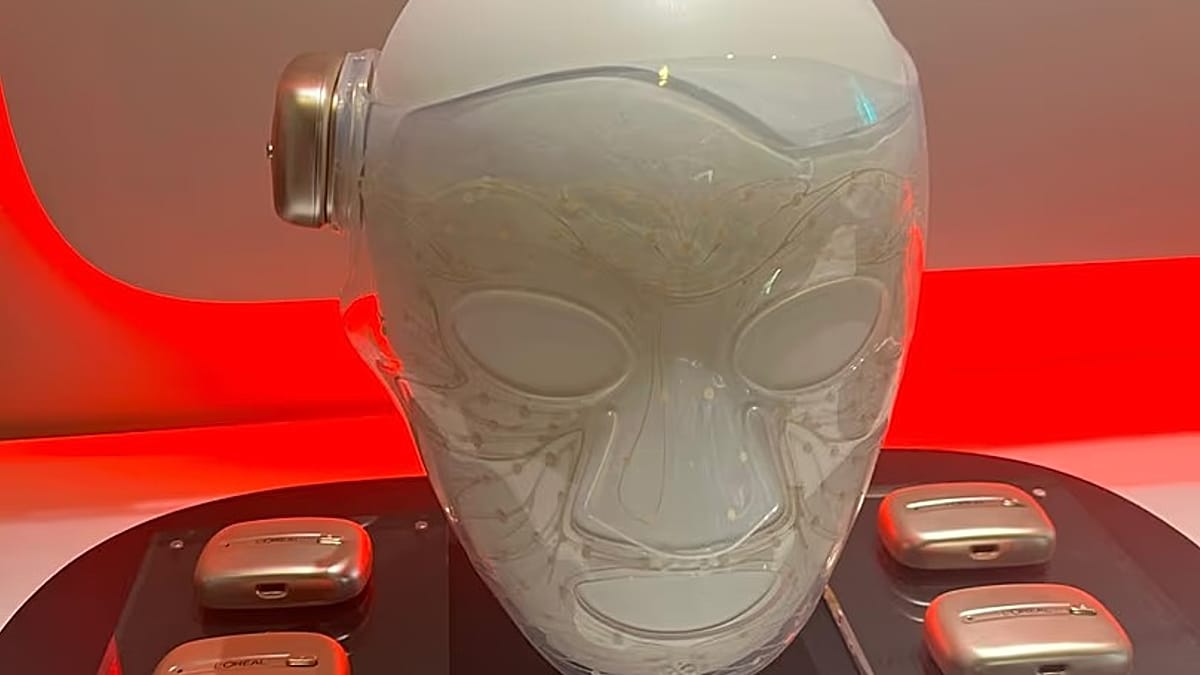
Global beauty giant L'Oréal, headquartered in Clichy, France, unveiled a prototype for a flexible silicon LED face mask, touted as the world's thinnest. Unlike rigid panels, it features targeted sections for the under-eye area. The mask uses specific wavelengths of red light and near-infrared to address fine lines and uneven skin tone. Guive Balooch, L'Oréal's global vice president, emphasized that efficacy depends on meeting dermatologist-recommended light thresholds (630nm for red light, 830nm for near-infrared), which this design achieves. Slated for a 2027 release with a mid-range price, it signals beauty's deeper foray into clinically-backed technology.
The prominence of these European innovations at CES underscores a broader shift. The continent is leveraging its strengths in medical research, design, and consumer goods to create a new generation of personal health devices. These tools are increasingly focused on providing clinical-grade data at home, managing specific chronic conditions, and exploring the intersection of mental and physical wellness—a holistic approach that resonates with European healthcare philosophies. As these technologies evolve, they will inevitably spark conversations across the EU and UK about data privacy, medical device regulation, and equitable access, ensuring Europe's role in shaping the future of health tech extends far beyond the show floor.



