MADRID — Spain's interior minister, Fernando Grande-Marlaska, said on Saturday that the migrant surge that overwhelmed the North African enclave of Ceuta has been "almost entirely reversed," as the last groups of young migrants were escorted back across the border to Morocco under the watch of Spanish soldiers and police.
The announcement came as the confirmed death toll from the crossing attempt rose to at least 67, including people who drowned while swimming around the border barrier and others killed in a stampede on a breakwater. The figure was given by Grande-Marlaska during a press conference in Ceuta, a Spanish territory of 18.5 square kilometres that sits about 25 kilometres from the Spanish mainland and shares the only land border between the European Union and Africa, alongside the nearby enclave of Melilla.
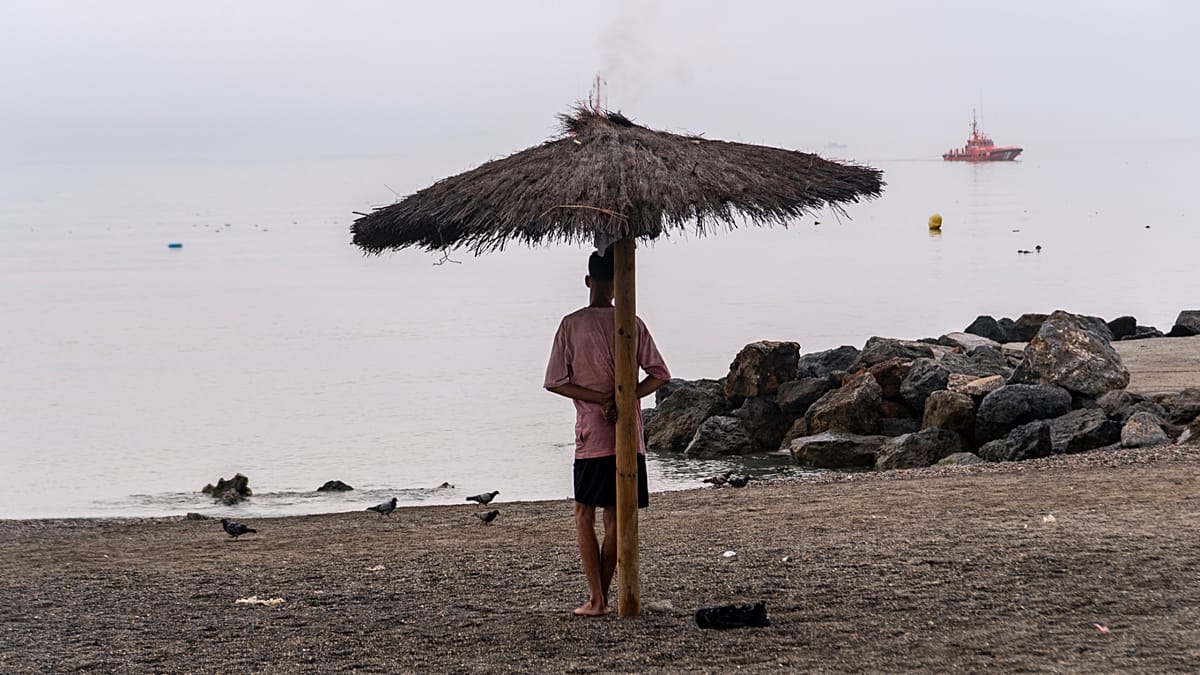
An estimated 60,000 people entered Ceuta over the past week, many swimming around a small barrier that juts into the Mediterranean. On Saturday morning, a handful of exhausted migrants who reached the urban Tarajal beach were met by soldiers and immediately returned across the frontier.
Madrid praises Rabat's cooperation
Grande-Marlaska stressed that the rapid reversal of the influx was possible only because of close coordination with Morocco. "Morocco is not a threat to Ceuta, or to the rest of Spain. It is a reliable partner," he said, adding that the events "require an evaluation by Spain and Morocco."
The crisis has reignited debates about migration policy and border security across the EU, with some member states calling for tougher measures. Italy has even floated the idea of suspending Spain from the Schengen area, a proposal that has been met with resistance in Brussels. The European Commission has insisted that migrants who entered Ceuta cannot simply move to the mainland, a stance that has added to the pressure on Madrid.
In response to the surge, Spain announced it would install a 500-metre-long containment barrier on the sea border between Ceuta and Morocco, a move that critics say could push migrants to risk even more dangerous routes.
The exact trigger for the influx remains unclear. Myriam Cherti, a senior researcher at the University of Oxford's Centre on Migration, Policy and Society, said social media was flooded with posts encouraging Moroccans to attempt the crossing in the days before it began. The posts included practical advice on how to get past the barriers and what to say to border guards to improve the chances of being allowed to stay.
Cherti, who has interviewed migrants over the past year, said many had lost count of their attempts. "They're doing it out of despair, they're doing it because they've tried other ways to build a life and failed, they're doing it because they feel the obligation that they want to help their families and support them," she said. "And that's possible if they make it to Spain and not necessarily possible if they stay in Morocco."
One of those who tried was Soufian, a 42-year-old security guard who works 12-hour shifts for 10 euros a day. He said his motivation was to visit his ill mother in Madrid. "Even though there's no food, nothing at all, I'll endure anything to see my mother," he said. Asked about the others who crossed, he added: "Everyone wants to move up, wants a good future, something that doesn't exist in Morocco."
The episode is not unprecedented. In 2021, a similar surge saw more than 10,000 migrants enter Ceuta in just two days during a diplomatic spat between Madrid and Rabat. This time, the scale was far larger, and the death toll has drawn international attention. The crisis has also exposed rival narratives on sovereignty and migration in North Africa, as well as the legal deadlock Spain faces when trying to return migrants who reach its soil.
As Ceuta returns to a fragile normalcy, the broader questions remain: how to manage the EU's only land borders with Africa, how to balance security with humanitarian obligations, and how to address the root causes that drive people to risk their lives. For now, Madrid is banking on its partnership with Morocco—and a new barrier in the sea.