Spanish authorities on Friday began relocating hundreds of migrants from the beaches of Ceuta to a newly erected tented camp in the port area, as the North African enclave continues to grapple with an unprecedented influx that has overwhelmed local infrastructure and reignited European debates on migration.
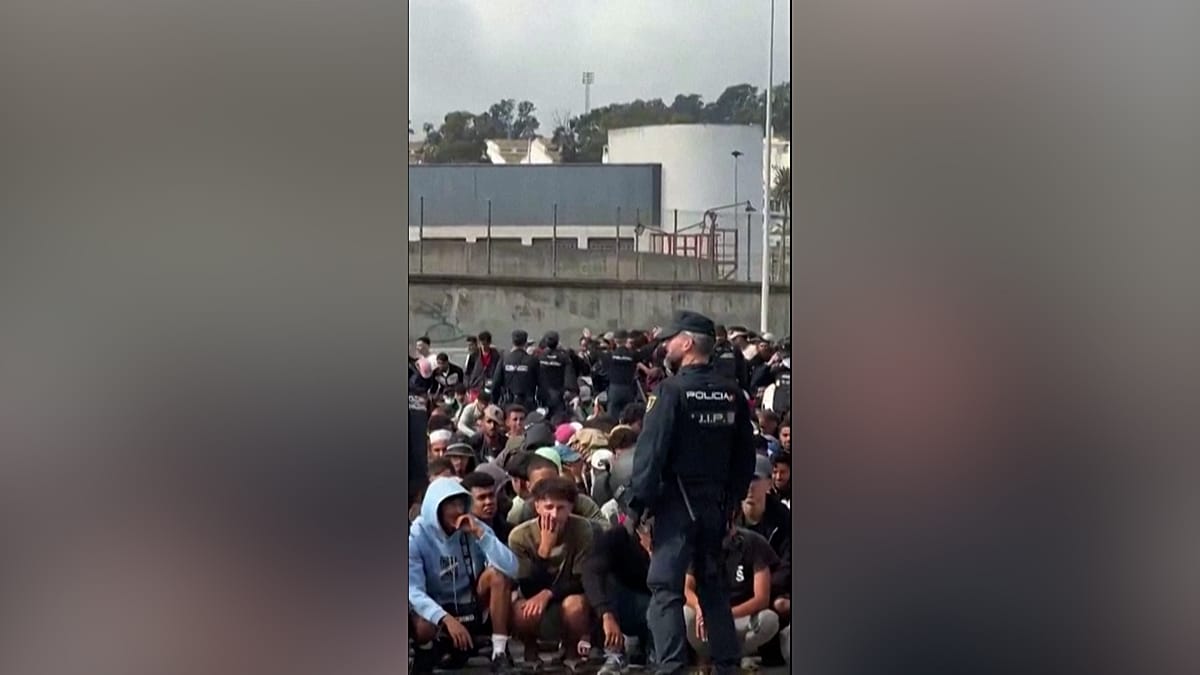
Video footage from the scene showed large crowds of migrants sprinting toward the camp as police attempted to manage the flow. Officers struggled to contain the jostling throng, with many migrants eager to secure one of the 1,700 places available at the facility. The camp, set up in the port zone, is intended to provide temporary shelter for those who have been living rough on the beaches for weeks.
A record surge and its aftermath
The relocation comes after more than 70,000 migrants crossed into Ceuta from Morocco on July 30 and 31, in what has been described as an unprecedented and chaotic surge. The mass entry left scores dead and placed immense strain on the enclave's resources, prompting a political crisis that has echoed far beyond Spain's borders.
The influx has also exposed deep divisions within the European Union over how to handle migration. The centrist alliance in the European Parliament has fractured over the issue, with member states disagreeing on burden-sharing and border enforcement. The crisis has become a flashpoint for broader questions about solidarity and responsibility across the bloc.
For the migrants themselves, the new camp offers a degree of stability after weeks of precarious living. Many had been sleeping on the sand, exposed to the elements and with limited access to food, water, and sanitation. The tented facility, while basic, provides a more organized environment, though its capacity is far below the number of people still awaiting processing.
Spanish authorities have stressed that the camp is a temporary measure. However, the sheer scale of the arrivals has made it clear that a longer-term solution is needed. The situation in Ceuta has also drawn attention to the broader challenges facing Spain's North African enclaves, which have long been a focal point for migration into Europe.
The relocation operation on Friday was marked by chaotic scenes, as migrants rushed toward the camp gates. Police formed cordons to control the crowd, but the sheer number of people made the task difficult. Some migrants were seen climbing over barriers, while others waited patiently for their turn to enter. The atmosphere was tense, but no major clashes were reported.
Local officials have called for more support from both the Spanish government and the European Union. The enclave's mayor, Juan Jesús Vivas, has repeatedly urged Madrid to provide additional resources and to work with Morocco to prevent future surges. The Spanish government, for its part, has pledged to increase border security and to expedite the processing of asylum claims.
The crisis has also sparked a wider debate about the EU's migration policy. Some member states have called for stricter border controls, while others have emphasized the need for humanitarian assistance and legal pathways. The clashes during the relocation have underscored the urgency of finding a coordinated approach.
As the situation in Ceuta continues to evolve, the eyes of Europe remain fixed on this small enclave. The events of the past weeks have not only tested Spain's capacity to manage migration but have also exposed the fragility of the EU's common asylum system. For the migrants waiting in the new camp, the uncertainty is far from over.