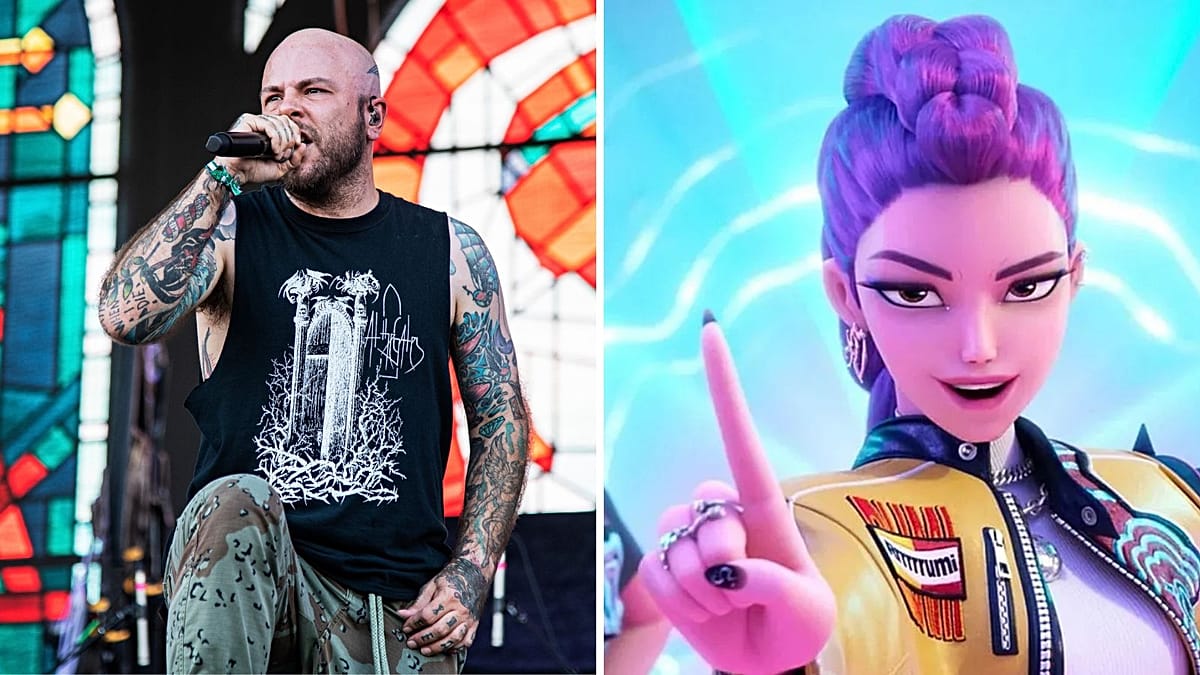
Netflix is facing a new legal challenge, this time from an unexpected corner of the music world. Demon Hunter, a Christian metal band formed in Seattle in 2000, has filed a trademark lawsuit against the streaming giant, its production arm Netflix Studios, and live events promoter AEG Presents. The dispute centres on the recently announced KPop Demon Hunters live tour, which the band argues creates an “almost complete overlap” with its own name and brand.
The lawsuit, filed on Tuesday in the Central District of California through the band’s corporate entity Hyde Lane, alleges trademark infringement, unfair competition, and brand confusion. Demon Hunter claims that the success of Netflix’s Oscar-winning animated film has caused significant harm to the identity it has built over more than two decades. The complaint states: “The brand that Hyde Lane has carefully built over the course of the past quarter century now faces an existential crisis, thereby necessitating the filing of this action and the granting of the requested relief from this Court.”
To illustrate the confusion, the band’s lawyers cite the case of a fan who allegedly spent $500 (roughly €430) on tickets to a Demon Hunter concert in Albany, New York, only to request a refund so they could buy tickets for the “actual KPop Demon Hunters”. This anecdote, while anecdotal, underscores the core of the band’s argument: that the animated film’s title and the planned live events are so similar to their own name that consumers are being misled.
A clash of worlds: Christian metal and K-pop
Demon Hunter is known for its aggressive metal sound and explicitly Christian lyrics, a genre that often grapples with themes of spiritual warfare. The band’s name itself is a reference to biblical concepts of demons as malevolent forces. In contrast, KPop Demon Hunters is a Netflix animated feature that blends K-pop culture with supernatural action, a far cry from the band’s musical and lyrical focus. Yet the legal question is not about artistic content but about trademark law and consumer perception.
The band is seeking an injunction to prevent Netflix and AEG from using the KPop Demon Hunters name for recorded music, live performances, and merchandise. They are also asking for unspecified damages. As of now, neither Netflix nor AEG has issued a public statement regarding the lawsuit.
This is not the first time Netflix has faced legal trouble over its intellectual property. Earlier this year, the company was hit with a $105 million lawsuit over a stolen hard drive containing an unreleased Nicolas Cage film, a case that highlighted the vulnerabilities in the streaming giant’s production pipeline. And in a separate controversy, Netflix faced backlash over its use of an AI-generated voice to recreate the late Gene Wilder in a Willy Wonka series, raising questions about the ethics of digital resurrection.
For Demon Hunter, the stakes are high. The band has built a loyal following across Europe and beyond, with a discography that spans over two decades. Their music often explores the struggle between good and evil, a theme that resonates with many listeners. The lawsuit, while rooted in US law, could have implications for how the band’s brand is perceived internationally, including in European markets where both the band and Netflix have significant presence.
Legal experts note that trademark disputes involving entertainment properties are not uncommon, but the specific combination of a Christian metal band and a K-pop-themed animated film is unusual. The outcome could set a precedent for how similar cases are handled in the future, particularly as streaming platforms continue to expand their global reach and create content that draws on diverse cultural references.
For now, fans of Demon Hunter and followers of the KPop Demon Hunters franchise will have to wait and see how the courts rule. The case is a reminder that in the world of entertainment, names carry weight, and confusion can be costly.