Havana's National Assembly has unanimously approved a sweeping package of 176 economic reforms designed to expand the role of the private sector and attract foreign capital, marking one of the most significant shifts in Cuba's state-dominated economy in decades. Prime Minister Manuel Marrero presented the measures during a parliamentary session, outlining a reduction in state involvement across numerous sectors.
Among the key changes, the government will no longer require foreign investors to form joint ventures with state-owned enterprises. The reforms also authorize the creation of large private firms and allow both domestic and international investors to acquire stakes in existing state-owned companies. This move signals a departure from the strict socialist model that has defined the island since the 1959 revolution.
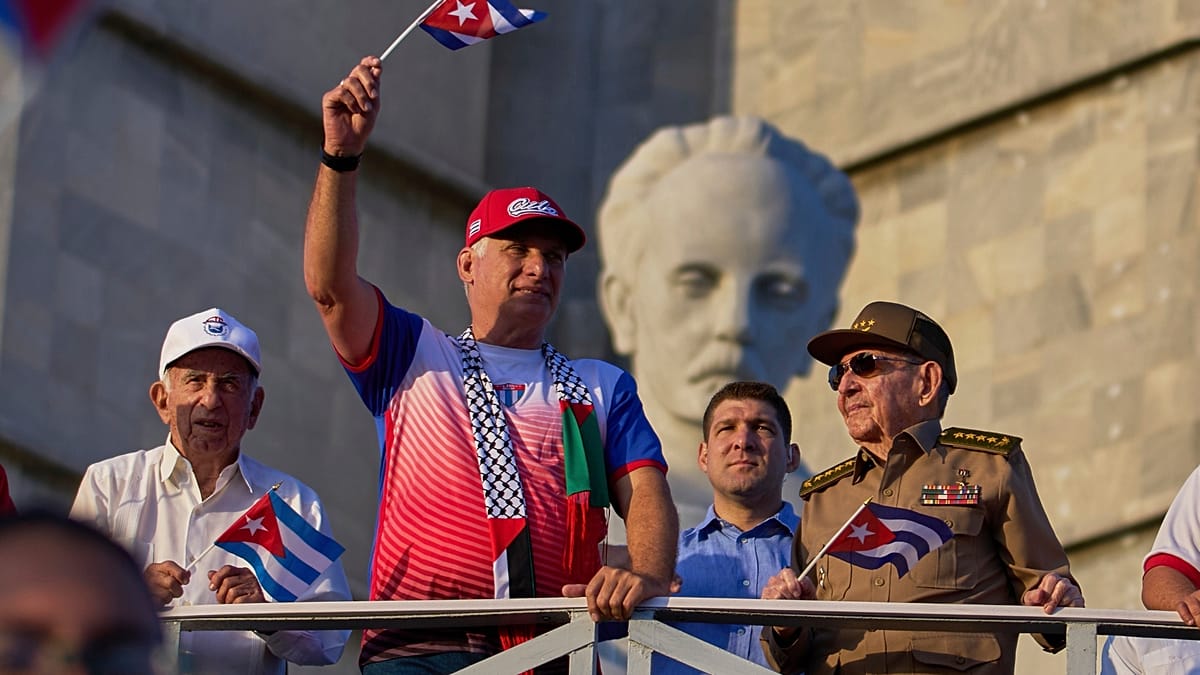
President Miguel Díaz-Canel reiterated the government's commitment to socialism during the session, even as he acknowledged the need for urgent changes. The reforms come amid a severe economic crisis characterized by shortages of food, fuel, drinking water, and medicines, as well as frequent power cuts. Since the start of the year, only one oil tanker from Russia has docked in Cuba, highlighting the island's energy vulnerability.
Internal and External Pressures
Cuban authorities attribute the economic difficulties primarily to the United States trade embargo and restrictions on oil supplies. However, Díaz-Canel also pointed to internal factors such as bureaucracy, administrative sluggishness, and regulations that limit productive activity. The combination of external sanctions and domestic inefficiencies has created a dire situation for the population.
Prime Minister Marrero did not provide a specific timeline for implementing the 176 measures. The lack of a clear schedule has left some observers cautious, though business owners in Havana have expressed optimism. Mario Gonzales, manager of a restaurant in the capital, told local media that the reforms could support a recovery in tourism and broader economic activity.
The United States has also weighed in. Vice President JD Vance stated that Washington is holding talks with the Cuban government about possible economic and political changes on the island. This diplomatic engagement, while still nascent, could signal a shift in the long-strained bilateral relationship.
For European observers, Cuba's reforms offer a case study in economic liberalization under duress. The island's reliance on tourism and remittances from the diaspora—including significant flows from Europe—means that any opening to foreign investment could have ripple effects for European companies and travelers. The reforms may also influence debates within the European Union about engagement with Cuba, which has been a subject of contention between Brussels and Washington.
As Cuba navigates this delicate transition, the world will watch whether these measures can alleviate the crisis or whether they represent a temporary adjustment within a system resistant to deeper change.