What makes a city irresistible to travelers? A new global ranking suggests it's not just about visitor numbers or hotel occupancy, but about how a city captures attention and leaves a lasting emotional impression. The 2026 Global Tourism City Attractiveness Index, compiled by Yanolja Research in collaboration with Purdue University and Kyung Hee University, analyzed social media conversations across 14 languages to rank 200 destinations.
The index breaks new ground by measuring two key dimensions: “cognitive awareness” (how visible and top-of-mind a city is in global travel discussions) and “affective attractiveness” (how memorable, enjoyable, and recommendable a destination is). Researchers also examined 419 travel-related words and phrases, from “mountain” and “hotel” to “street food” and “art gallery,” grouping them into categories like urban aesthetics, culture and history, experiential tourism, and hospitality.
“The 2026 index shows that the most competitive tourism cities are no longer simply the most visited or most heavily promoted places,” said Dr. SooCheong (Shawn) Jang, Professor at Purdue University and Director of Yanolja Research. “They are cities that successfully convert global awareness into emotionally meaningful visitor experiences.”
Top 10 overall: New York and Paris lead, Asian cities surge
The overall ranking places New York first, followed by Paris, with Osaka, Kyoto, and Seoul completing the top five. London, Rome, Bangkok, Okinawa, and Chicago round out the top ten. In the awareness ranking, New York again leads, with Paris, London, Rome, and Bangkok following. But the attractiveness ranking tells a different story: Osaka takes the top spot, with Kyoto second, New York third, and Seoul fourth. Paris is fifth, followed by London, Rome, Okinawa, Bangkok, and Dubai.
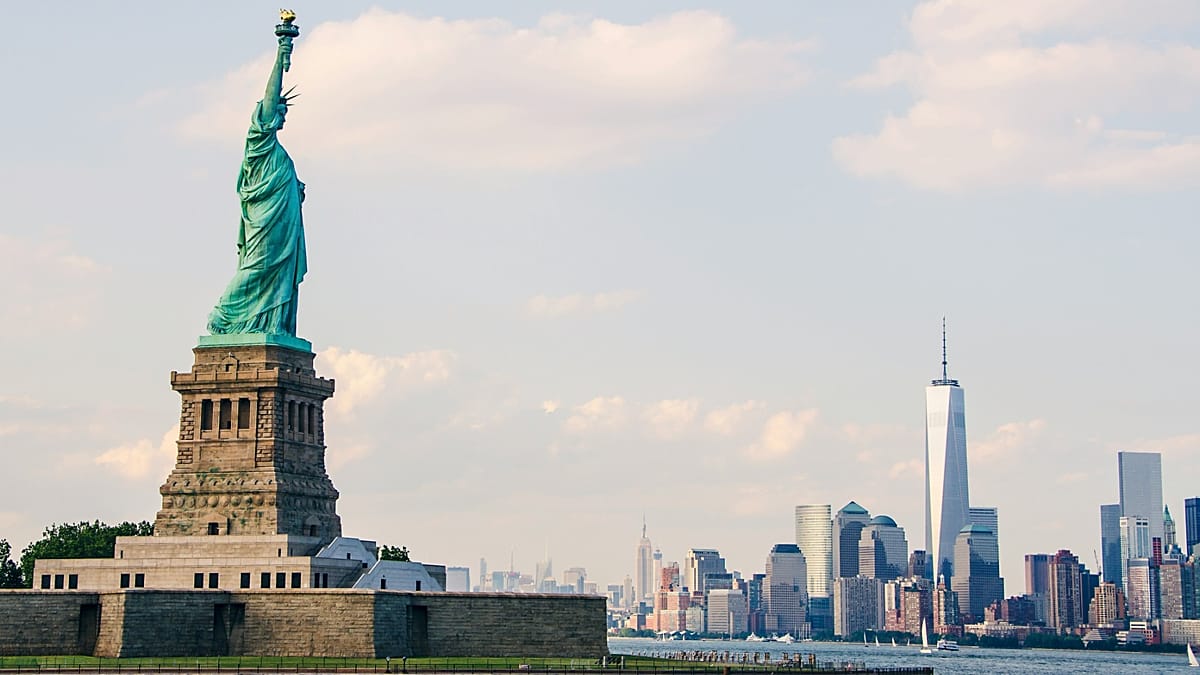
New York’s dominance in the overall and awareness rankings stems from its “rare combination” of global visibility and positive visitor sentiment, according to the researchers. Other American cities like Chicago, Washington D.C., and Los Angeles also feature prominently, with 16 US cities in the global top 50. This breadth points to a diverse ecosystem of cultural, business, entertainment, and lifestyle offerings.
Paris ranks highest among European cities, coming second in both the overall and awareness rankings and fifth for attractiveness. The French capital’s strong performance underscores its enduring appeal, even as Asian destinations rise in emotional resonance. Indeed, 60% of the top destinations in the attractiveness ranking are in Asia, highlighting a shift in what drives global tourism interest.
“New York's No.1 ranking demonstrates the power of combining unmatched global recognition with strong experiential appeal,” Dr. Jang said. “At the same time, the rise of Asian destinations such as Osaka, Kyoto, Seoul and Okinawa shows that emotional attractiveness is becoming a decisive source of tourism competitiveness.”
The research suggests that iconic landmarks and infrastructure are no longer enough. Today’s most compelling cities are those that blend global awareness with distinctive, shareable, and emotionally satisfying experiences. This trend is already reshaping European tourism, as travelers increasingly seek cooler destinations to escape heatwaves and prioritize authentic local experiences over traditional sightseeing.
For European cities, the index offers both a benchmark and a challenge. While Paris, London, and Rome remain global heavyweights, the rise of Asian cities suggests that emotional appeal—cultivated through unique experiences, food scenes, and cultural immersion—is becoming a key competitive advantage. European destinations may need to look beyond their landmarks to foster the kind of memorable encounters that travelers now crave.
The findings also align with other recent trends, such as the growing popularity of street food in European cities, which can enhance a city’s attractiveness. As the tourism landscape evolves, the index provides a data-driven look at how cities can position themselves in a crowded global market.