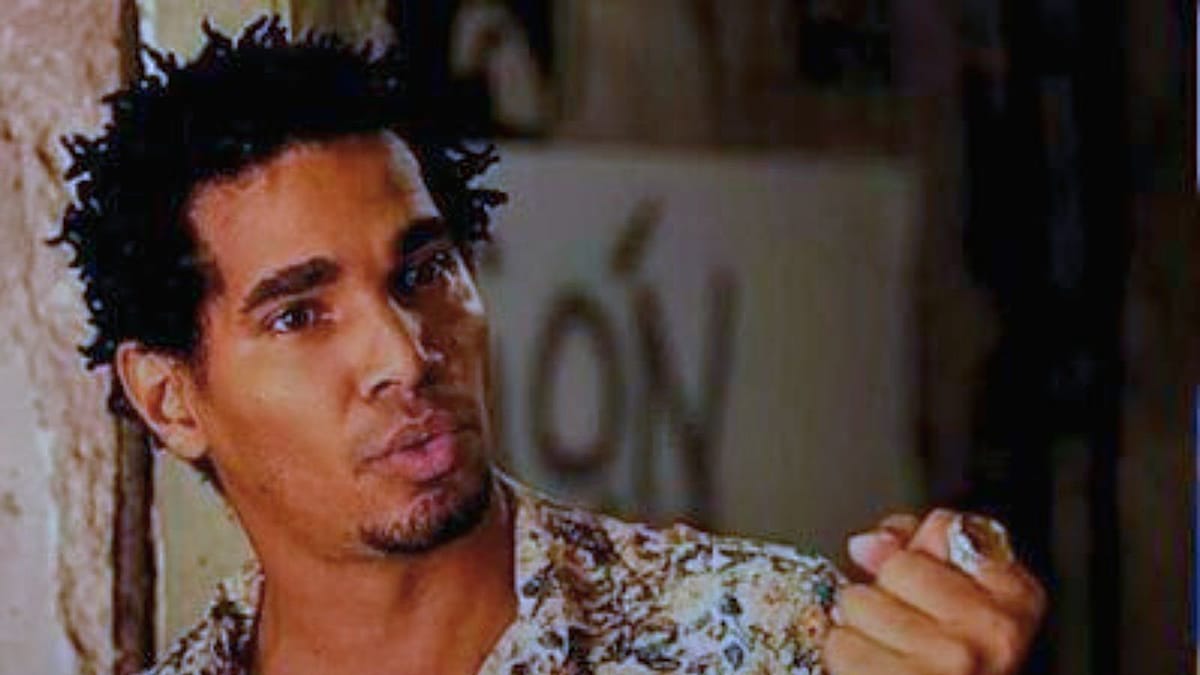
A human rights organisation operating outside Cuba has filed a legal petition demanding information on the whereabouts of dissident artist Luis Manuel Otero Alcántara, who disappeared after being removed from prison earlier this month. The case has drawn international attention, including from European human rights advocates, as it highlights the Cuban government's ongoing crackdown on dissent.
State Security agents removed Alcántara from Guanajay Prison on Tuesday 7 July. He was reportedly taken to an undisclosed location, and his current whereabouts remain unknown. The artist, aged 38, was arrested on 11 July 2021 as he attempted to join a massive protest against blackouts in Cuba. In 2022, a court sentenced him to five years in prison for public disorder, contempt, and disrespect toward national symbols.
Legal Action and European Implications
Cubalex, the organisation that provides legal advice to dissidents and reports human rights violations, has filed a habeas corpus petition to ensure that Alcántara is not being illegally deprived of his liberty. “The relevant judicial authorities now have a legal deadline of 72 hours to issue a response. This legal action is being filed amid a critical situation of vulnerability and lack of protection,” Cubalex wrote in a statement posted online.
The case resonates in Europe, where several countries have expressed concern over human rights in Cuba. The European Union has repeatedly called for the release of political prisoners and respect for fundamental freedoms on the island. The disappearance of Alcántara comes as the Cuban government has intensified its persecution of influencers who criticise the regime on social media, a trend that European diplomats have monitored closely.
Last week, US Ambassador to the United Nations Mike Walz held up a photo of the artist during a debate about the US embargo against Cuba, drawing attention to his case. European officials have also raised similar concerns, though the EU's stance has been more cautious, balancing trade and diplomatic relations with human rights advocacy.
In a related development, the Italian region of Calabria has defied US pressure to keep Cuban doctors in one of Italy's poorest regions, illustrating the complex ties between European countries and Cuba. Meanwhile, the Council of Europe faces its own challenges with member states threatening withdrawal, underscoring the broader context of human rights and international law across the continent.
Alcántara's disappearance is a stark reminder of the risks faced by artists and activists who challenge authoritarian regimes. European cultural institutions and human rights organisations have often supported such figures, and the case is likely to reignite debates about the EU's role in promoting democracy beyond its borders.
The 72-hour deadline for the Cuban judicial authorities to respond to the habeas corpus petition expires soon. If no satisfactory answer is provided, Cubalex may escalate the case to international bodies, including the United Nations Human Rights Council, where European states hold significant influence.