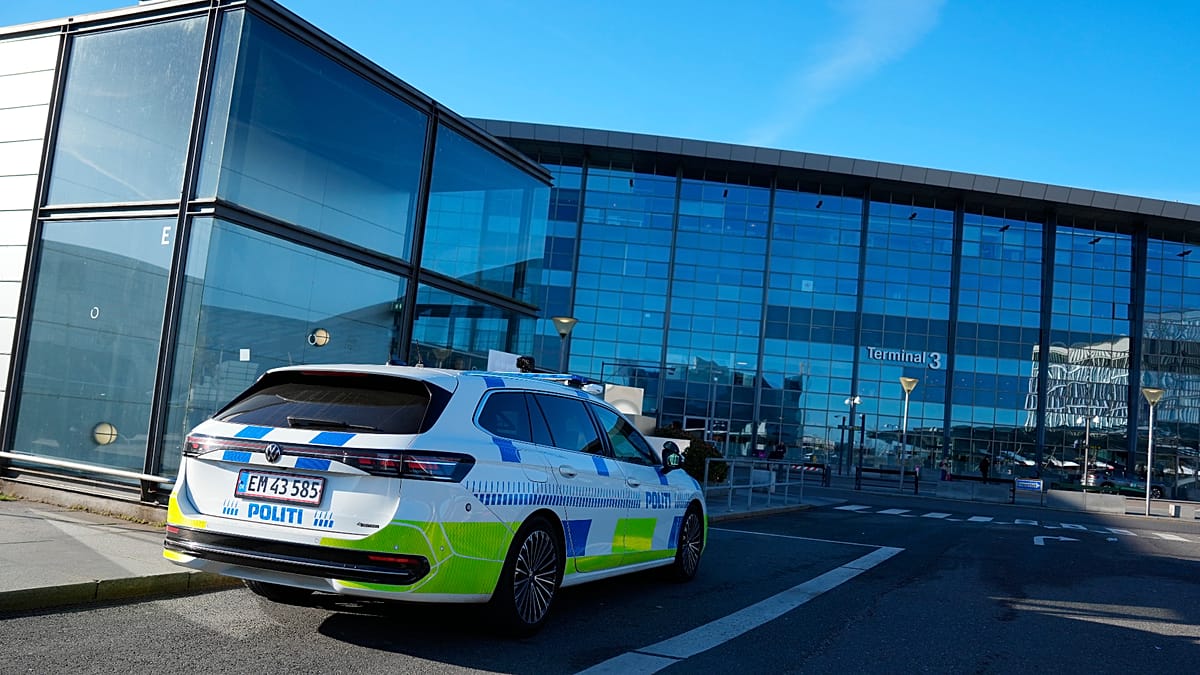
Danish authorities have arrested an 18-year-old in connection with a fresh breach of the country's national civil registry, the latest in a series of cyber incidents that have put the spotlight on the security of critical public databases. The teenager is accused of accessing the Civil Registration System (CPR) and retrieving 11,000 personal identification numbers, according to a police statement released on Thursday.
The breach was detected on November 23, only two months after a separate cyberattack exposed the personal data of 8.8 million people—a figure that represents more than the entire adult population of Denmark. The digital affairs ministry said that the new incident was stopped thanks to a technical monitoring system introduced after the first attack, which flagged the unauthorized consultations.
“Unauthorised third parties have accessed the CPR data of 11,000 people,” the ministry said in a statement, adding that the system had been updated and modernized since the October breach. The arrest of the 18-year-old, who has been remanded in custody, marks a swift response by Danish law enforcement, though the perpetrators of the larger October hack remain unidentified.
Recurring vulnerabilities in Denmark's digital infrastructure
The October attack, which compromised the CPR database, was claimed by an unidentified individual who contacted the Danish newspaper Politiken via an encrypted messaging service. The alleged hacker said they had found an entry point within hours by using the login credentials of a former employee of a small Danish company—whose password was reportedly 123456. That incident prompted the Civil Security Agency to raise the cyber threat level for Denmark to “high” in September, citing a surge in attacks targeting everything from supermarket refrigeration systems to public institutions.
The latest breach underscores the persistent challenges facing European governments as they digitize sensitive records. Denmark's CPR registry, which contains personal identification numbers used for everything from healthcare to taxation, is a prime target for criminals and state-sponsored actors alike. The country's experience mirrors broader concerns across the continent, where cyberattacks on EU institutions have also been on the rise.
Danish police have not disclosed whether the 18-year-old is linked to the October attack or to any broader criminal network. However, the arrest comes amid a wave of hybrid threats in the region, including airspace violations and incidents in the Baltic Sea that have heightened tensions with Russia. In Denmark, authorities have also arrested two Danes in an alleged Russian plot to kill a Ukrainian rapper, highlighting the multifaceted nature of the security challenges facing the Nordic country.
The CPR breach has raised questions about the adequacy of password hygiene and access controls in public agencies. The use of a simple password like “123456” in the October attack was a stark reminder of the vulnerabilities that can exist even in advanced digital societies. Danish officials have said they are working to strengthen authentication measures and to monitor for unusual activity more closely.
For citizens, the repeated breaches are a cause for concern. The CPR number is a cornerstone of Danish identity, used in countless transactions, and its compromise can lead to identity theft and fraud. The digital affairs ministry has advised affected individuals to be vigilant and to report any suspicious activity.
The incident also highlights the broader European challenge of securing public data. As governments across the EU roll out digital identity systems and e-government services, they must balance convenience with security. The European Commission has proposed a unified digital identity framework, but the recent breaches in Denmark suggest that implementation remains uneven.
While the 18-year-old's motive is not yet clear, the case serves as a reminder that cybercrime is not always the work of sophisticated state actors. Sometimes, it is a young person with technical skills and a lapse in judgment. Danish prosecutors will now determine whether the teenager acted alone or as part of a larger operation.
As Denmark continues to investigate both the October and November breaches, the government is under pressure to reassure the public that their data is safe. The introduction of the monitoring system that caught the latest intrusion is a positive step, but the fact that a second breach occurred so soon after the first suggests that more work is needed to harden the country's digital defenses.