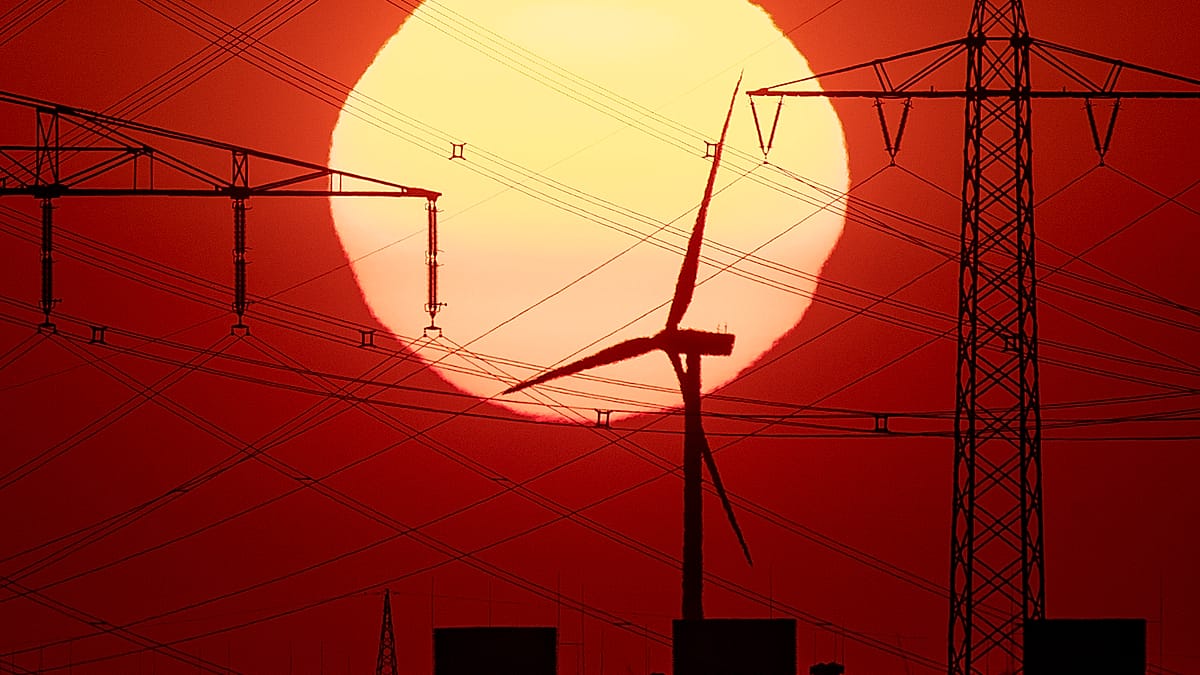
The European Union has crossed a new threshold in its energy transition: in the first quarter of 2026, 45.5 percent of all electricity generated across the bloc came from renewable sources, according to fresh data from Eurostat. That marks a notable increase from 42.7 percent in the same period a year earlier, and underscores the accelerating shift away from fossil fuels.
Wind power remains the dominant renewable source, contributing 44.9 percent of the total renewable electricity. Hydropower followed with 28 percent, solar with 17.3 percent, and combustible renewable fuels—such as biomass—accounted for 9.4 percent. Geothermal and other sources made up the remaining 0.4 percent.
The milestone comes as the EU deepens its commitment to homegrown clean energy, a strategy that gained urgency after the Iran war energy crisis exposed the risks of relying on imported fossil fuels. The bloc has since pushed to accelerate renewable deployment as both a climate and national security measure.
Who leads—and who lags
Denmark tops the EU rankings with 90 percent of its electricity coming from renewables, overwhelmingly from wind power. Portugal, benefiting from abundant hydropower, ranks second at 82.9 percent. Lithuania, another wind leader, takes third place with 75.7 percent.
At the other end of the spectrum, Czechia generates only 12.7 percent of its electricity from renewables, the lowest in the EU. Malta follows at 13 percent, and Slovakia at 17.2 percent. These figures highlight the uneven pace of the green transition across the continent.
The disparities reflect differences in geography, policy, and investment. Countries with strong wind or hydro resources have naturally moved faster, but political will and grid infrastructure also play decisive roles. The recent heatwave-driven wildfires in Portugal and other southern member states have added urgency to the need for resilient, renewable-based systems.
Renewables lower household bills
Beyond cutting planet-heating emissions, the expansion of renewables is delivering tangible financial relief to European households. According to a recent report by the International Energy Agency (IEA), the EU saved €51.4 billion in 2025 by reducing fossil fuel imports.
A separate analysis by the Centre for Research on Energy and Clean Air (CREA) found that consumers in five EU countries—Denmark, Finland, France, Sweden, and Slovakia—will save a combined €8.5 billion on their energy bills this year thanks to the high share of clean energy in their electricity mix.
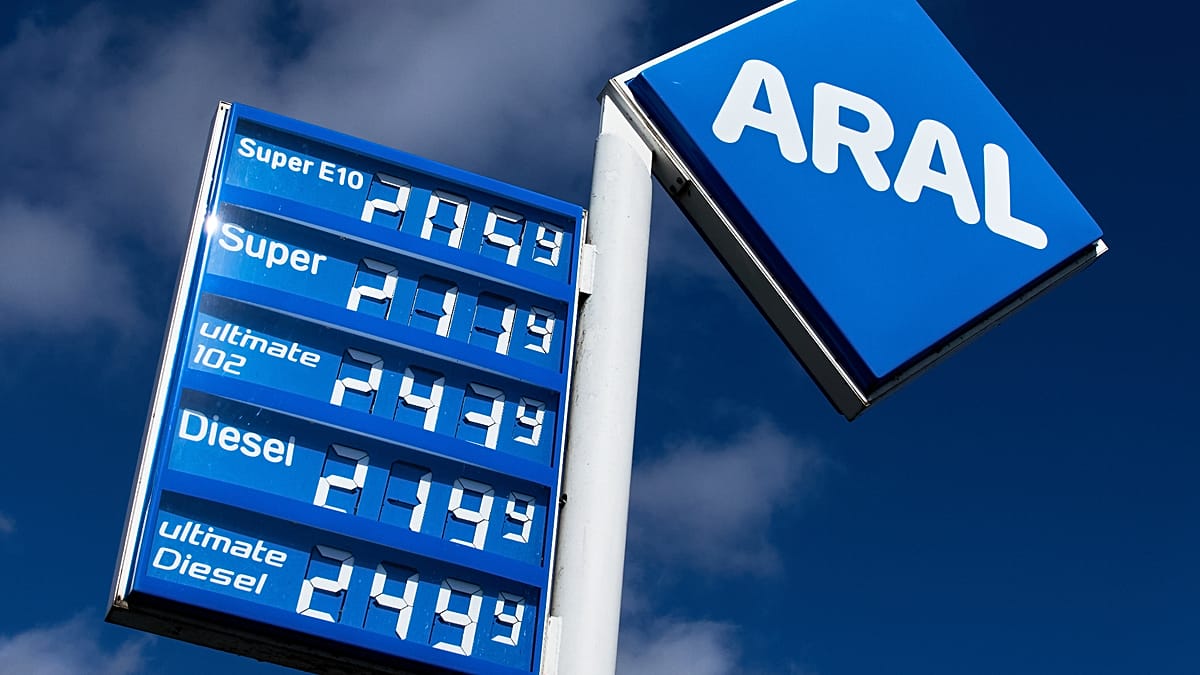
These savings are especially significant given the elevated oil and gas prices stemming from the ongoing crisis in the Strait of Hormuz shipping route, which Iran closed in response to the US-Israel offensive. European energy bills rose further during June’s unprecedented heatwave, when demand for cooling spiked.
In France and Germany alone, electricity bills increased by more than €700 million in a single week as the heatwave forced utilities to fall back on gas-fired power plants to meet demand, according to new analysis by environmental NGO 350.org.
The price spikes have reignited debate over Europe’s ‘merit order’ system, in which the most expensive power source required to meet demand—typically gas—sets the price for the entire grid. Critics argue that this mechanism is incompatible with a renewables-dominated future, where low-marginal-cost sources like wind and solar should ideally drive down prices for everyone.
Building sufficient storage capacity and enough renewable generation to push gas out of the pricing equation altogether could be the long-term solution. But the recent price surges show how far Europe still has to go.
The EU’s progress is undeniable, but the gap between leaders and laggards—and the vulnerability to extreme weather events—underscores the need for continued investment in grid modernization, cross-border interconnections, and energy storage. As the continent moves toward its 2030 climate targets, the data from Q1 2026 offers both a reason for optimism and a reminder of the work ahead.