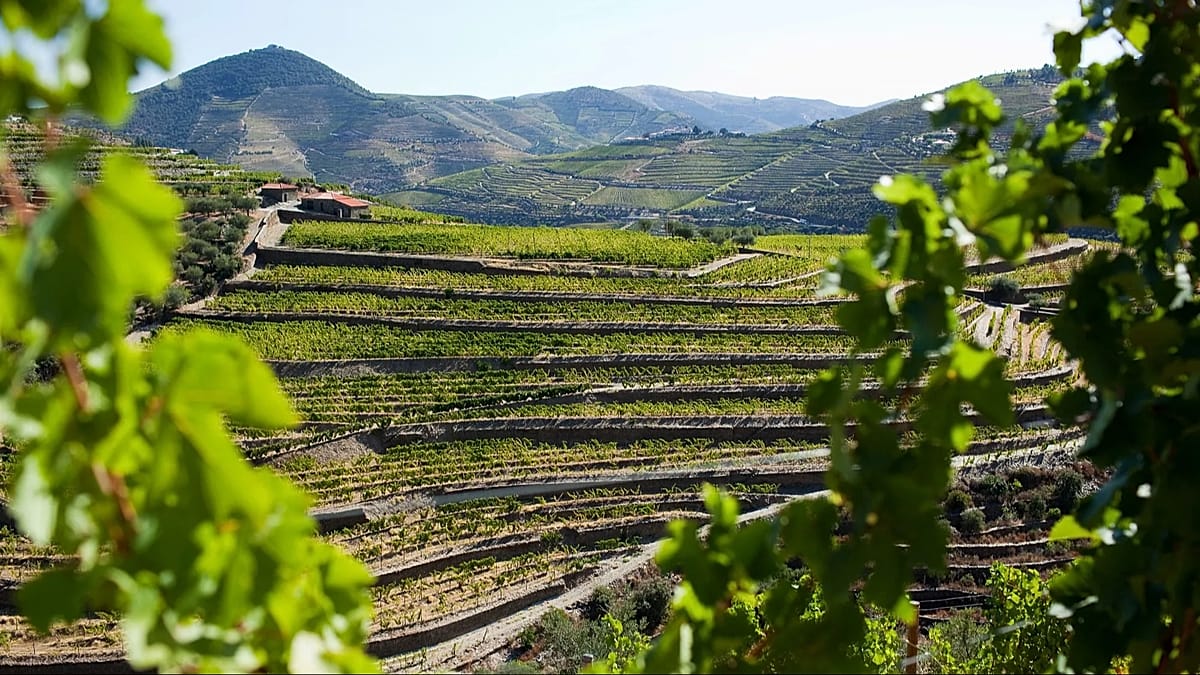
September in Portugal means one thing above all: the vindima, the grape harvest. Across the country, vineyards come alive with pickers, and an age-old ritual unfolds against a backdrop of terraced slopes and winding rivers. For visitors, it is also a chance to step into that tradition, to trade the tourist trail for a bucket and secateurs, and to understand why wine is so woven into the fabric of this corner of Europe.
The Douro Valley, a UNESCO World Heritage site and the birthplace of Port wine, is the epicentre of the celebration. Its wines have long earned international acclaim, and the region was recently named International Wine Region of the Year for 2025 by the trade publication Wine Enthusiast. But the harvest itself is changing. Frederico Falcão, president of ViniPortugal, the national wine interprofessional organisation, told the Lusa news agency that more frequent heatwaves have accelerated grape ripening, pulling the harvest forward in several regions. This year, the Douro began picking one to two weeks earlier than usual. Despite that, the outlook is robust: the Instituto da Vinha e do Vinho (IVV) estimates production will reach 1.4 million hectolitres, a 25% increase on the previous season.
For those keen to experience the harvest first-hand, there are two standout ways to do it: by rail or by river.
Harvest by rail: a day trip from Porto
Portugal's state railway operator, CP - Comboios de Portugal, has revived its special harvest train, a one-day excursion that departs from Porto's Campanhã station shortly after 8 a.m. and returns in the evening. Two dates are on offer this September: the 19th and the 26th, both Saturdays. The train, complete with a bar service, winds through the Douro valley to the village of Pinhão, where passengers transfer by coach to Quinta da Avessada, a wine estate in Favaios known for its wine tourism.
There, the day unfolds in classic harvest style. Guests are handed buckets, clippers and straw hats, and given an introduction to the region's grape varieties, its history and the customs that surround the picking. After working up an appetite, a regional lunch features local dishes, followed by a visit to the estate's lagares, the traditional stone troughs where grapes are still trodden by foot. The experience culminates in a guided tasting of fortified wines in the estate's wine bar.
The return journey leaves from Régua station at the end of the day. Prices start at €86 in second class and €93 in first class for adults, with discounts for children and groups.
Harvest by river: cruises and longer voyages
The Douro's dramatic scenery—steep vine-covered hillsides plunging to the water—also lends itself to a more leisurely approach. Several operators run cruises along the river during September, combining sightseeing with hands-on harvest activities. One-day and two-day programmes typically include a visit to a local quinta, where participants can join in cutting the grapes, carrying them to the lagares, and treading them to the sound of traditional Douro songs. The two-day option adds a stay in a boutique hotel, with Port wine production as the backdrop.
For a deeper immersion, the Douro Serenity, a river-cruise hotel, offers three- and five-day packages. These include a visit to Quinta da Avessada, where guests can pick grapes, listen to folk music played among the vines, taste Port in the cellar, and enjoy a regional dinner. Some activities are optional and come at an extra cost, but the core experience is designed to be as authentic as possible.
Beyond the practical details, the harvest is a reminder of how deeply wine is tied to the Douro's identity. The region's terraced vineyards, carved into the schist slopes over centuries, are a testament to human perseverance. And as climate change reshapes the calendar, the traditions endure—adapted, but not abandoned.
For those planning a visit, it is worth checking the latest on Portugal's transport and tourism news to time the trip well. And while the harvest is the main draw, the Douro offers year-round appeal, from its quintas to its river cruises. As Falcão noted, the earlier start does not diminish the experience; it simply means the grapes are ready sooner, and the celebration begins earlier.
Whether you choose the rhythmic clatter of the train or the gentle glide of a boat, the Douro in September is a sensory journey—one that connects you to the land, the people, and a tradition that has survived for generations.