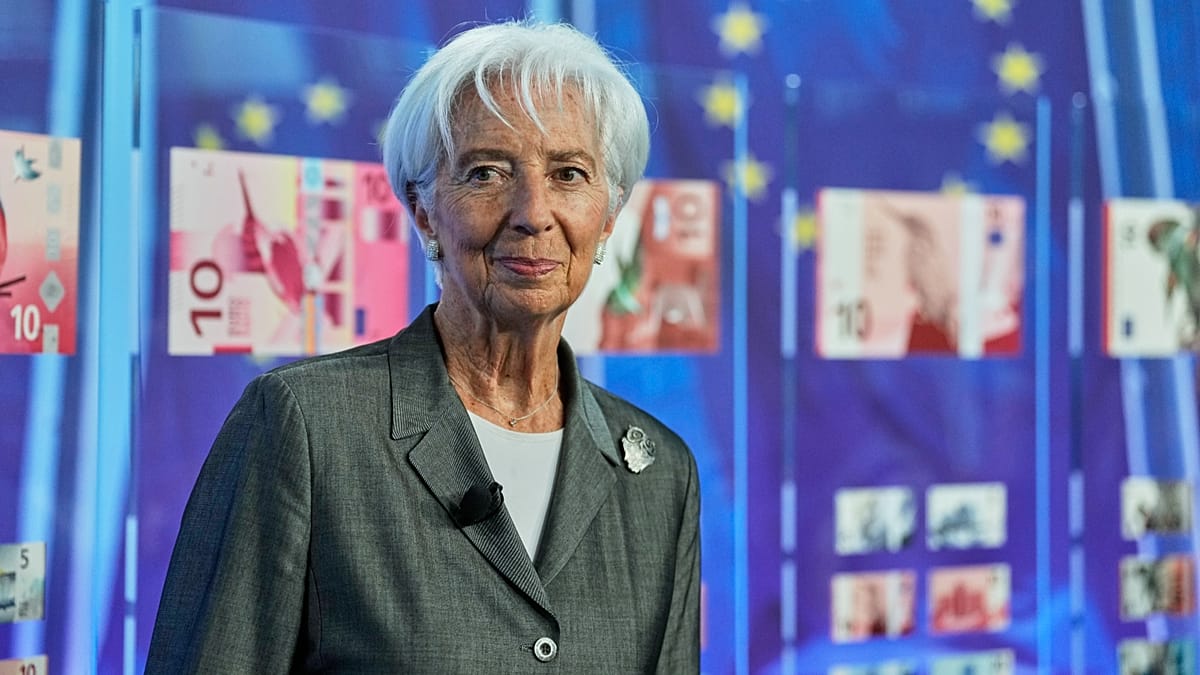
The European Central Bank (ECB) is giving Europeans a rare say in the look of their currency. With the public survey on future euro banknote designs closing on 21 September, more than 9 million people have already cast their vote. The ECB is urging others to weigh in before the deadline, marking the first time the institution has opened such a design choice to direct public consultation.
The ten shortlisted designs fall under two themes: “European culture” and “Rivers and birds.” The cultural theme features figures from literature, music, and science—including composers—while the natural theme highlights the continent's waterways and avian life. These proposals differ markedly from the current banknotes, which depict bridges, arches, and other architectural motifs.
In an era of rising digital payments, the ECB is making a deliberate statement: cash is not disappearing. “Cash is not simply a legacy of the past. It is part of daily life for millions of Europeans,” said Piero Cipollone, a member of the ECB's Executive Board, during a Brussels event on Monday. He underscored that more than 31 billion euro banknotes, worth over €1.6 trillion, are in circulation, with annual growth of around 3%. There are also over 150 billion euro coins.
The survey's results will inform—but not dictate—the final decision by the ECB's Governing Council, expected around the end of 2026. The new banknotes would then take several years to develop and gradually enter circulation from 2029.
Cash as a pillar of resilience
Cipollone stressed that cash remains essential, particularly when other payment systems fail. “Cash provides something that is difficult to replace: a tangible anchor of stability and trust,” he said. “It also fosters financial inclusion. It is simple and intuitive. It protects privacy. And, perhaps most importantly, it safeguards freedom of choice.”
He noted that cash is the only form of money that every citizen can hold directly, without needing intermediaries or devices. This resilience is especially relevant during power outages or internet disruptions, when card and mobile payments can become unusable.
The role of cash could be further reinforced by the proposed EU legislation known as the Single Currency Package, currently under negotiation in Brussels. The package aims to strengthen the legal-tender status of cash and mandate its acceptance across the euro area.
A 2024 ECB survey found that a growing majority of Europeans consider retaining cash as a payment option important. This sentiment aligns with the ECB's dual-track strategy: while redesigning physical banknotes, it is also developing a digital euro—an electronic form of central bank money that would complement cash.
The digital euro, if approved, could be issued as early as 2029, provided negotiations in Brussels conclude by the end of 2026. “We are investing in both euro cash and the digital euro,” Cipollone said. “Together, they will ensure that Europeans have access to central bank money in both physical and digital form for day-to-day transactions.”
This push for a European payment solution is partly driven by strategic autonomy concerns. The EU relies heavily on US payment infrastructure—Visa and Mastercard account for 61% of card payments in the eurozone and nearly all cross-border card transactions, according to 2025 ECB data. In a climate of geopolitical uncertainty, having a homegrown alternative is seen as a safeguard.
As the survey enters its final week, the ECB is betting that Europeans will embrace the chance to shape the future of their currency. Whether they choose cultural icons or natural landscapes, the outcome will reflect a collective vision for a currency that remains a daily companion for millions.