European Union leaders have placed electrification at the centre of their strategy to tackle high energy prices, restore industrial competitiveness, and wean the bloc off fossil fuels. The logic is straightforward: replace coal, oil, and gas with electricity generated from renewable sources. But turning that vision into reality will require a sweeping overhaul of Europe's ageing power grids and a massive expansion of energy storage capacity—both of which policymakers admit are not yet up to the task.
The urgency has been sharpened by recent geopolitical shocks. The US-led conflict with Iran sent energy prices soaring, underscoring Europe's continued vulnerability to external disruptions. This spike comes on top of the energy crisis triggered by Russia's full-scale invasion of Ukraine, from which many European economies are still recovering. Even before the latest tensions in the Middle East, European industry groups were pressing Brussels to address electricity costs that are roughly twice as high as in the United States and China. Business leaders warn that persistently high energy bills are eroding competitiveness, deterring investment, and, in some cases, forcing factory closures.
Electrification is not just an industrial policy—it is also the backbone of the EU's climate agenda. By shifting energy demand from fossil fuels to electricity, the bloc can cut greenhouse gas emissions, improve energy efficiency, and reduce its reliance on imported energy, which accounted for about 60% of total imports last year. As wind and solar capacity expand, the electricity mix becomes cleaner over time, making electrification one of the most effective routes to meeting the EU's climate and energy targets.
What Electrification Means in Practice
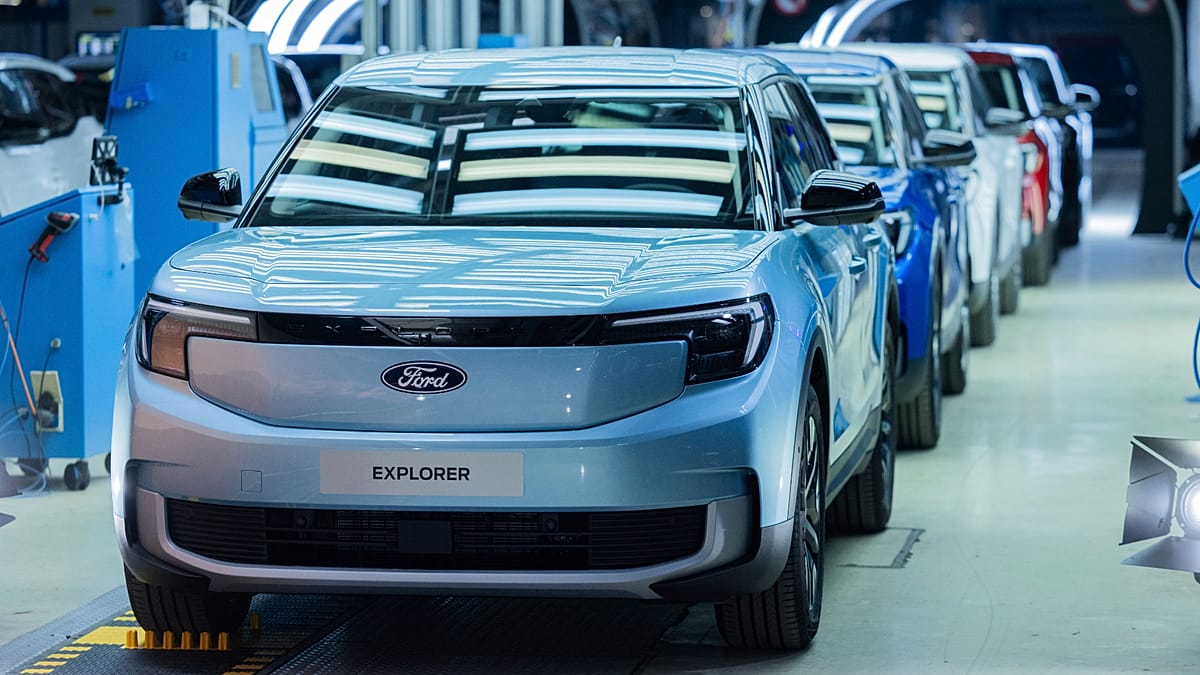
At its simplest, electrification means replacing technologies that burn fossil fuels with those powered by electricity. For EU leaders, the term implies an economy and society running largely on renewable electricity. That translates into electric cars replacing diesel and petrol vehicles, households swapping gas boilers for heat pumps, and smart devices optimising energy use. The EU is also targeting hard-to-decarbonise industries such as cement, steel, and chemicals, which together account for 20% to 27% of the bloc's greenhouse gas emissions.
The European Commission has endorsed nuclear energy as a low-carbon source that can complement renewables in powering the grid. This stance has drawn support from countries like France, which relies heavily on its nuclear fleet, but remains contentious among member states that favour a fully renewable approach.
The Grid Bottleneck
The EU's biggest obstacle is not generating clean power—it is getting that power to where it is needed. Europe's electricity grid is outdated and congested, blocking the integration of new renewable capacity. Upgrading the infrastructure is a colossal task: the European Commission estimates that €1.2 trillion will be needed by 2040 to modernise grids, reduce congestion, and limit curtailment of renewable energy. Improved energy storage is equally critical to avoid wasting surplus power and to balance supply and demand.
Political wrangling over the future of grid regulation has slowed progress. In December, the Commission proposed a 'Grids Package' with two legislative measures: one to accelerate permits for new projects—often cited as the main bottleneck—and another to centralise the EU's electricity market and use network charges to fund investments. An electrification plan, originally due in spring, has been delayed twice and is now scheduled for 22 July. It is expected to set binding targets for member states and industry.
The stakes are high. Without a functioning grid, the EU's electrification push will stall, leaving the bloc dependent on imported fossil fuels and vulnerable to price spikes. As the IEA chief recently urged, embracing electrification is essential to revive European industry and cut dependence on foreign energy. The coming months will test whether the EU can match its ambition with the investment and political will needed to rewire the continent.