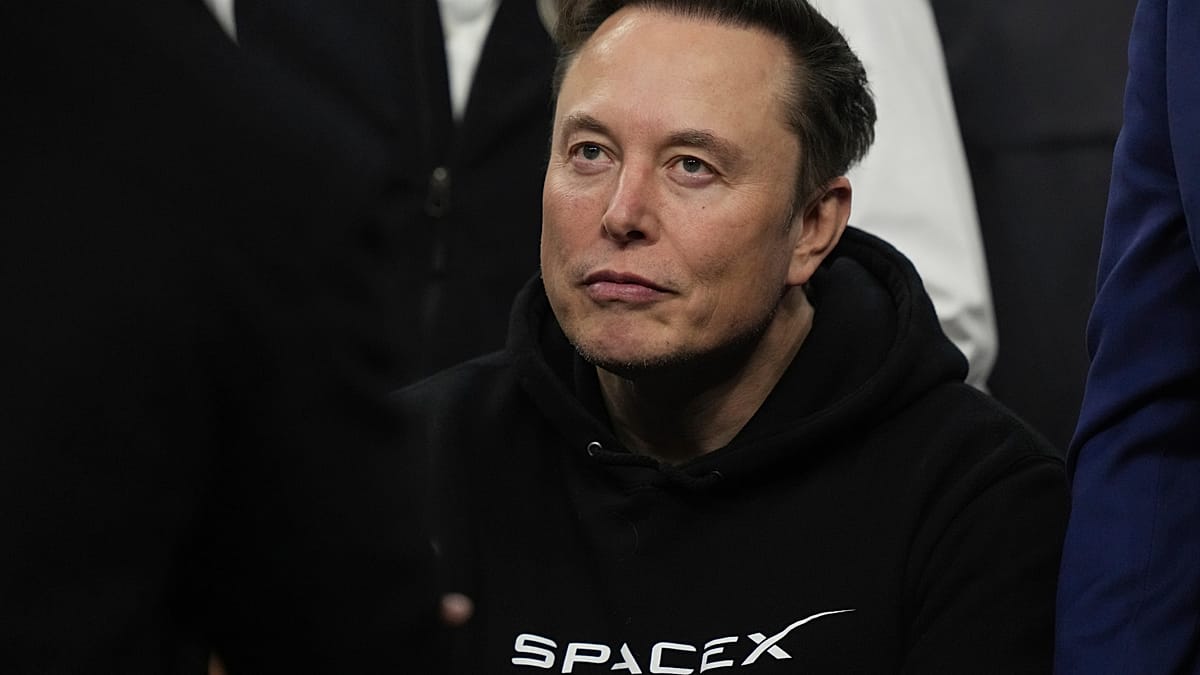
Elon Musk, the world's richest person and the first to amass a net worth exceeding $500 billion, controls a diverse network of companies that have reshaped multiple industries. From a video game sold for $500 as a teenager to a rocket maker valued at over $2 trillion, Musk's journey reflects decades of risk-taking and ambition. Here is a breakdown of the key businesses behind his fortune.
Early Ventures and the Foundation of Wealth
Born in Pretoria, South Africa, in 1971, Musk's first commercial success came at age 12 when he sold the source code for a game called Blastar to a computer magazine for about $500. In 1995, he co-founded Zip2, an online publishing and business-directory company, with his brother Kimbal. The company was sold in 1999 for over $300 million, netting Musk around $22 million. He used that capital to launch X.com, an online bank that later became part of PayPal. When eBay acquired PayPal in 2002 for $1.5 billion, Musk received roughly $176 million.
These early exits provided the financial runway for his most ambitious projects. By age 31, Musk had realized nearly $198 million from businesses he built and sold. However, the vast majority of his later wealth came from retaining large stakes in SpaceX and Tesla as their valuations soared.
SpaceX: Rockets, Satellites, and AI Ambitions
In 2002, Musk founded SpaceX, investing about $100 million of his own money. He believed the company had less than a one-in-ten chance of success. More than two decades later, SpaceX is one of the world's most valuable private companies. Its stock market debut in 2025 was the largest initial public offering ever recorded, valuing the company at about $1.75 trillion. Within days, its market capitalization surpassed $2 trillion, reaching $2.43 trillion.
SpaceX now owns Starlink, a satellite internet provider that generated $4.4 billion in operating income last year. The company also sits at the center of Musk's artificial intelligence ambitions through its ties to xAI and the social media platform X. However, not all ventures are profitable: xAI reported operating losses of $6.4 billion last year, and SpaceX itself posted an overall operating loss of $2.6 billion. Supporters argue the valuation reflects leadership in space technology and satellite communications, while critics point to reliance on long-term goals like orbital data centers and Mars colonization.
Tesla: From EVs to Autonomy and Robotics
Musk joined Tesla in 2004 and became CEO in 2008, overseeing its rise from a niche electric vehicle maker to a trillion-dollar company. In 2024, Tesla lost its position as the world's largest EV manufacturer by sales to China's BYD. Deliveries were also hit by consumer boycotts linked to Musk's political activities, though sales have since recovered. Musk has consistently argued that Tesla's future lies beyond cars, focusing on autonomous driving technology and robotaxis. The company is also developing the Optimus humanoid robot for home and workplace use. Tesla's market capitalization currently stands at around $1.5 trillion.
Neuralink: Bridging Brains and Computers
Musk is CEO of Neuralink, a brain-computer interface company co-founded in 2016. The company is developing technology to connect the human nervous system directly to computers. Neuralink has launched clinical trials for people with spinal cord injuries, ALS, and other neurological conditions. In January 2025, the company announced 21 trial participants worldwide. The technology remains early-stage, but supporters see potential for treating paralysis and other disorders.
Other Ventures and the Wider Network
Musk also controls The Boring Company, which focuses on underground tunnel construction, and xAI, an artificial intelligence startup. His acquisition of Twitter, now rebranded as X, added a social media platform to his portfolio. These ventures are increasingly interconnected, with SpaceX, xAI, and X sharing resources and strategic goals. Critics argue that Musk's empire relies heavily on ambitious promises and future revenue, while supporters point to his track record of disrupting industries.
For European readers, Musk's influence is felt across the continent. Tesla's Gigafactory near Berlin produces EVs for the European market, while Starlink provides internet connectivity in remote areas. The broader debate about AI regulation and space policy also has direct implications for EU member states. As Musk's companies continue to expand, their impact on European business and technology sectors will only grow.