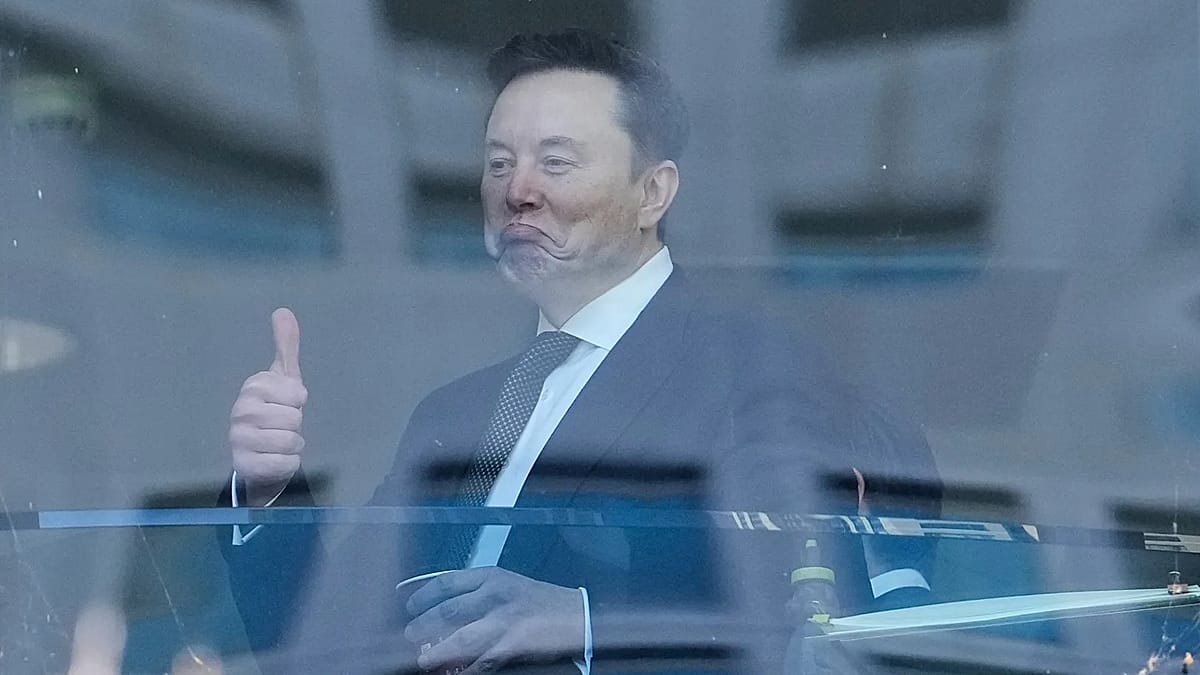
A legal confrontation between Elon Musk and Germany's public broadcaster ZDF has ignited a fierce debate across the country, touching on media accountability, free speech, and the influence of social media on civil unrest. The dispute stems from a 12 June 2026 edition of ZDFheute live, which covered anti-immigrant riots in Belfast and accused Musk of calling for 'a migrant hunt' in his posts on X.
Musk, the US tech entrepreneur and owner of X, reacted sharply on Monday, branding the characterization a 'terrible lie' and instructing his legal team to pursue action. ZDF has since confirmed receipt of a cease-and-desist letter from a German law firm representing Musk, and the broadcaster removed the disputed passage from the program's introduction. A corrective transparency note was added to the online version, with ZDF admitting the wording was 'imprecise and potentially misleading.'
Context of the Belfast Riots
The violence in Belfast erupted after a knife attack by a Sudanese man, leading to protests organized by far-right activist Tommy Robinson. On 9 June, Musk shared a post by Robinson urging demonstrations, adding his own comment: 'Only by protesting REPEATEDLY and LOUDLY will there be any change!!' The US-based Centre for Countering Digital Hate told the BBC that social media had played a 'key role' in stoking the unrest, and accused Musk of amplifying anti-migrant narratives to millions of users.
ZDF's original intro linked Musk's words directly to the riots, a claim the broadcaster now concedes was too strong. The episode has become a flashpoint in Germany's ongoing debate about the power of public broadcasters and the limits of criticism.
Political Reactions and Far-Right Support
The row has drawn predictable support for Musk from Germany's far-right Alternative for Germany (AfD). Co-leader Alice Weidel posted on X: 'Defamation shouldn't go without consequences. Don't let them get away with it.' Musk has been a vocal backer of the AfD in recent years, as well as other far-right parties across Europe. Julian Reichelt, former editor-in-chief of the tabloid Bild, also weighed in, accusing ZDF of 'propaganda lies' and questioning why state-funded broadcasters face no personal consequences for alleged manipulation.
This incident comes amid broader shifts in European security dynamics, as seen in the recent Germany and Poland defence pact, which underscores the continent's evolving response to external threats. Meanwhile, the debate over media influence and disinformation remains acute, with the European Union pushing for stricter regulations on platforms like X.
The ZDF case also highlights the delicate balance between editorial freedom and legal liability. While ZDF acted quickly to avoid a protracted court battle, critics argue that bowing to Musk's demands sets a dangerous precedent for self-censorship. Supporters of the broadcaster maintain that the correction was a proportionate response to an imprecise statement, not an admission of wrongdoing.
As the story continues to unfold, it raises fundamental questions about the role of public service media in an age of polarized online discourse. For now, the deleted line remains a symbol of the growing friction between tech billionaires and traditional news organizations in Europe.