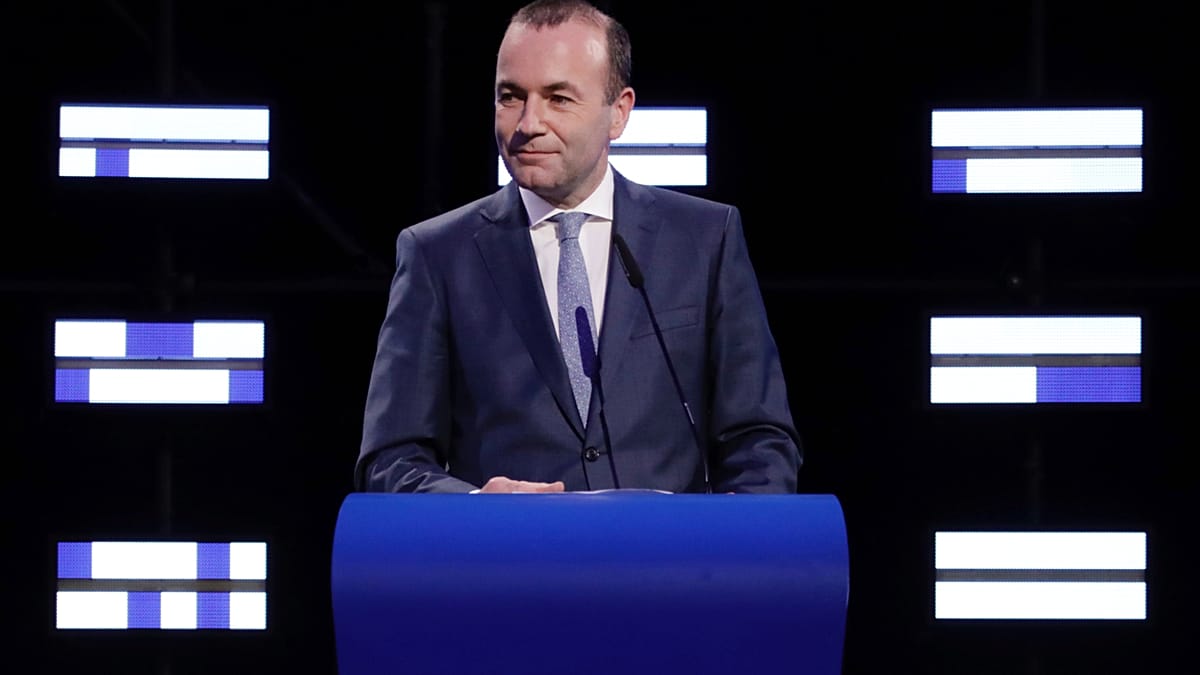
Manfred Weber, the leader of the European People's Party (EPP) in the European Parliament, has issued a stark warning: the European Union must fundamentally reset its relationship with China or risk seeing key industries crippled by Chinese overproduction. In an interview with Bild am Sonntag, Weber declared that “the era of naivety is over” and urged Brussels to defend European economic interests with far greater consistency and resolve.
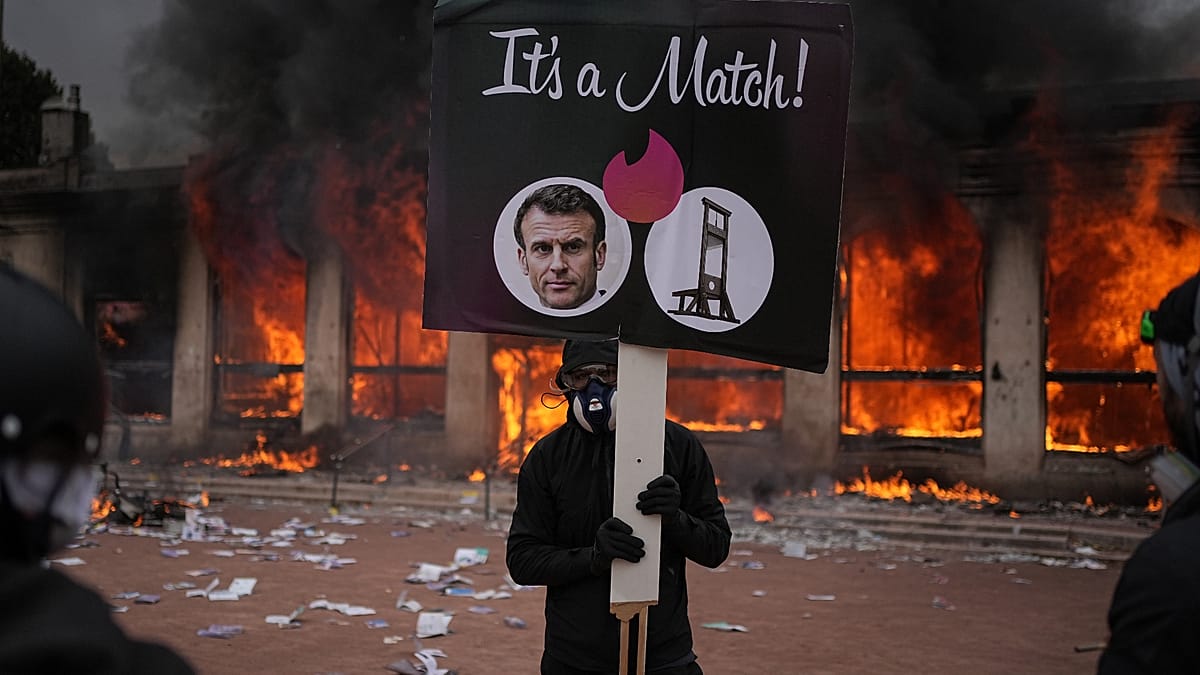
Weber’s comments come ahead of the EU summit on 18 June, where several member states—led by France—are pushing for a tougher line against Beijing. French President Emmanuel Macron has been a vocal advocate for a more assertive stance, arguing that Chinese low-priced exports are undercutting an already fragile European economy. The debate is intensifying as think tanks, politicians, and media outlets across the continent sound the alarm on a looming EU-China trade war.
A Trade Deficit That Threatens Europe’s Industrial Base
Weber highlighted the staggering scale of the imbalance: the EU’s trade deficit with China is approaching “almost one billion euros per day.” This, he warned, is jeopardizing Europe’s industrial base and the high-quality jobs it supports. “Either we fight back, or China will cripple parts of our industry,” he said. “The EU must now use its trade policy instruments decisively and without hesitation.”
He pointed to the EU’s recent imposition of tariffs on Chinese electric vehicles as a model for the kind of tools Brussels should be prepared to use more broadly—and possibly expand. The European Commission has already signaled that the current trade and investment relationship with China is “not sustainable,” as stated in a 29 May press release. EU Trade Commissioner Maroš Šefčovič, after meeting with Chinese trade envoy Li Chenggang in Paris, confirmed that deeper dialogue is needed to address what he called “an unsustainable trade deficit.”
Weber also addressed a contentious issue: EU development aid that indirectly benefits Chinese firms. One recent case involved EU-backed funds used to procure 380 natural gas buses for Senegal, where a lower-cost Chinese bid prevailed over a European competitor. “European development aid funded by taxpayers must not benefit Chinese companies,” Weber insisted. He added that in the future, “anyone wishing to sell in Europe must play by European rules.”
This push for a tougher trade stance is not without risks. Beijing could retaliate by restricting exports of critical materials such as rare earths, which are essential for European manufacturing, particularly in Germany. Existing trade agreements with partners like Canada, the Mercosur bloc, and India may not fully offset such disruptions. The EU is already working on plans to force supplier diversification away from China, as outlined by the EU trade chief, but the timeline remains uncertain.
The EPP chief’s warning echoes a broader sentiment across the continent. As the EU faces a reckoning with its economic dependence on China, the question is whether member states can unite behind a common strategy. With France leading the charge and Germany weighing the risks to its industrial giants, the outcome of the June summit will be closely watched in capitals from Paris to Warsaw.