The European Union's planned travel authorisation scheme, ETIAS, appears headed for a significant delay, with reports suggesting it may not launch until 2027. The Financial Times has reported that the system, which would require travellers from visa-exempt countries to pay €20 for pre-travel clearance, is unlikely to go live this year as originally scheduled.
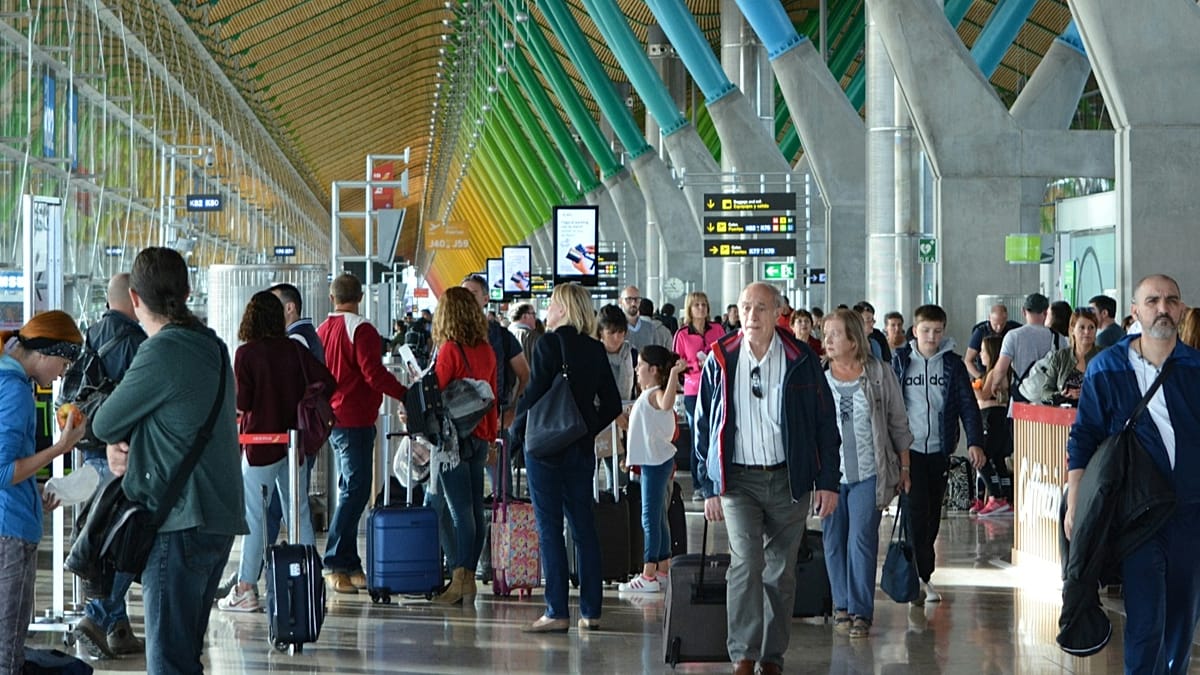
The setback comes in the wake of a troubled rollout of the Schengen Entry/Exit System (EES), which replaced passport stamping with digital biometric checks at most external borders in April 2026. That system has caused persistent queues at airports across the continent, prompting aviation groups to urge the European Commission to intervene.
EES Problems Cast Shadow Over ETIAS
The agency responsible for implementing both systems, eu-LISA, has acknowledged that meeting the end-of-2026 target for ETIAS is no longer feasible. A person briefed on internal discussions told the Financial Times that there are still unresolved IT issues with ETIAS, and that the priority must be to stabilise EES first. “Let’s clean up EES first before you put another system that will double the line again,” they said. Another source described the idea of launching ETIAS this year as “illusory”.
The EES system, designed to strengthen border security and identify overstayers, has been plagued by technical glitches and slow deployment. On 1 July, aviation bodies ACI EUROPE, Airlines for Europe (A4E), and IATA sent an urgent letter to European Commission President Ursula von der Leyen, warning that the situation had reached a “critical point” and was causing severe disruption for millions of travellers. The EU has rejected calls to suspend EES, with officials admitting it is “not perfect” but insisting a full suspension is “not needed” and “not possible”.
The chaos at border crossings has already affected summer travel plans across the continent. For more on how these disruptions are reshaping tourism, see our report on how extreme weather, conflicts, and responsible tourism are reshaping European travel in 2026.
What ETIAS Would Mean for Travellers
ETIAS is modelled on the US ESTA system. It would require citizens from 60 non-EU countries—including the UK, Australia, the US, and Canada—to complete an online application, provide personal details, answer security questions, and pay a €20 fee. The authorisation would be linked to the traveller’s passport and remain valid for three years or until the passport expires. Children under 18 and adults over 70 would be exempt from the fee but would still need to apply.
Even when ETIAS eventually launches, a transitional period of at least six months is planned. During that time, travellers without authorisation would not be denied entry if they meet other entry conditions. The EU has not officially postponed the system, and its website still states operations will begin in the last quarter of 2026. But the Financial Times report, citing multiple sources, suggests a delay to 2027 is now widely expected.
The knock-on effects of these border system issues are being felt across the travel industry. For a closer look at how specific destinations are coping, see our coverage of Florence, Prague, and Salzburg topping Travel + Leisure's European city rankings.
The situation underscores the challenges of implementing large-scale digital infrastructure across 27 member states. While the EU insists that both EES and ETIAS are essential for modernising border management, the current experience suggests that getting the technology right—and winning public confidence—will take longer than anticipated.