The European Union is assembling a high-level group of political and military leaders from its member states, the United Kingdom, and Ukraine to accelerate efforts to close Europe's defence capability gaps. The move comes as the bloc confronts an increasingly assertive Russia and a shifting transatlantic security landscape.
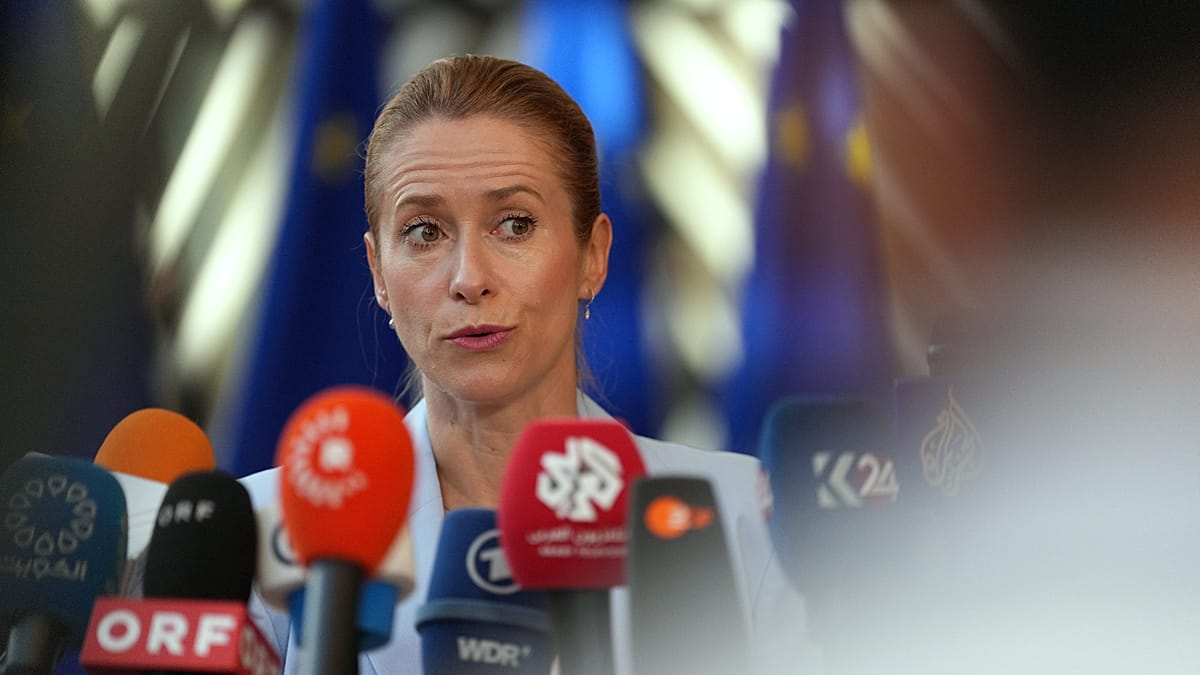
Kaja Kallas, the EU's High Representative for Foreign Affairs and Security Policy, unveiled the initiative on Tuesday during an informal gathering of defence ministers in Ireland. She described the group's mission as bringing together some of the continent's sharpest strategic minds to devise innovative solutions for Europe's defence shortfalls.
“The aim is to have some of the brightest minds on security and defence come together and really provide out-of-the-box solutions on how we can be faster in fulfilling these gaps and how we can be more effective, especially now that the security situation in Europe is so much more real,” Kallas told reporters.
The announcement lands at a moment of acute anxiety for European capitals. Washington has been reducing its military footprint on the continent, while Russia's ongoing war in Ukraine fuels fears of spillover into EU territory. The bloc has already ramped up defence spending, but Kallas cautioned that financial commitment alone is insufficient.
“Europe is investing more in defence than ever, but spending alone is not automatically a guarantee of success. We have not been fast enough to cover the gaps in Europe's conventional power within NATO that we have identified,” she said.
Kallas stressed that NATO remains the cornerstone of European security. The new group, she explained, is part of a broader effort by Europe to take greater responsibility for its own defence by making strategic choices about which capabilities to prioritise. The panel will draw on Ukraine's frontline experience and battlefield innovation, which are seen as particularly valuable for identifying practical solutions.
Concrete recommendations expected by September
The group is expected to produce a report with actionable recommendations for European defence. It will be formally launched at a conference organised by the European External Action Service (EEAS), titled “European Defence: Moving Further, Faster,” scheduled for 7 September. The names of participants and further details will be announced at that event.
“The idea is to give ideas to member states but also EU institutions of what we should do better and faster — to really have tangible results so that we cover the capability gaps we have identified, considering the geopolitical situation,” Kallas said.
The initiative reflects a broader push across the continent to bolster defence readiness. EU ministers in Ireland have been grappling with drone threats, Patriot missile shortfalls, and the question of frozen Russian assets. Meanwhile, Sweden has rehearsed mass military burials in its largest defence drill since the Cold War, underscoring the seriousness with which Nordic nations view the current threat environment.
The panel's work will also complement ongoing efforts to address hybrid threats from Russia, which have intensified across the continent. EU defence ministers have been convening to coordinate responses to these challenges, from cyberattacks to disinformation campaigns.
As Europe navigates this volatile period, the new high-level group represents a concerted attempt to translate political will into tangible military capability. Whether it can deliver the speed and effectiveness Kallas envisions remains to be seen, but the urgency is unmistakable.