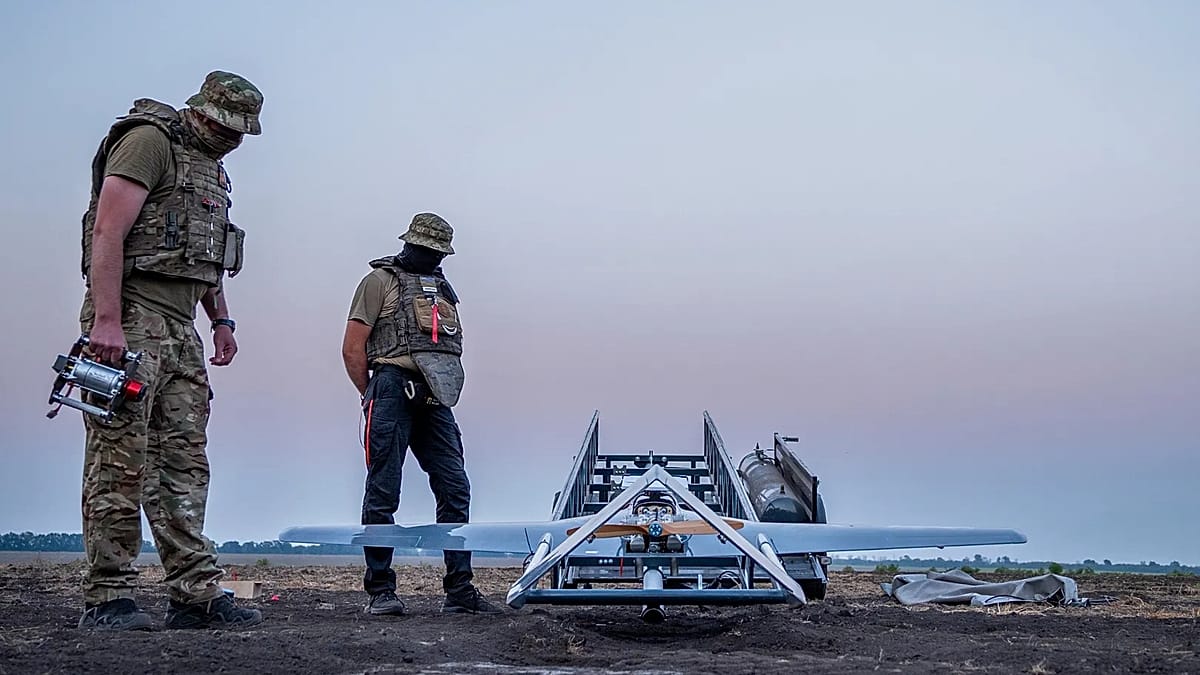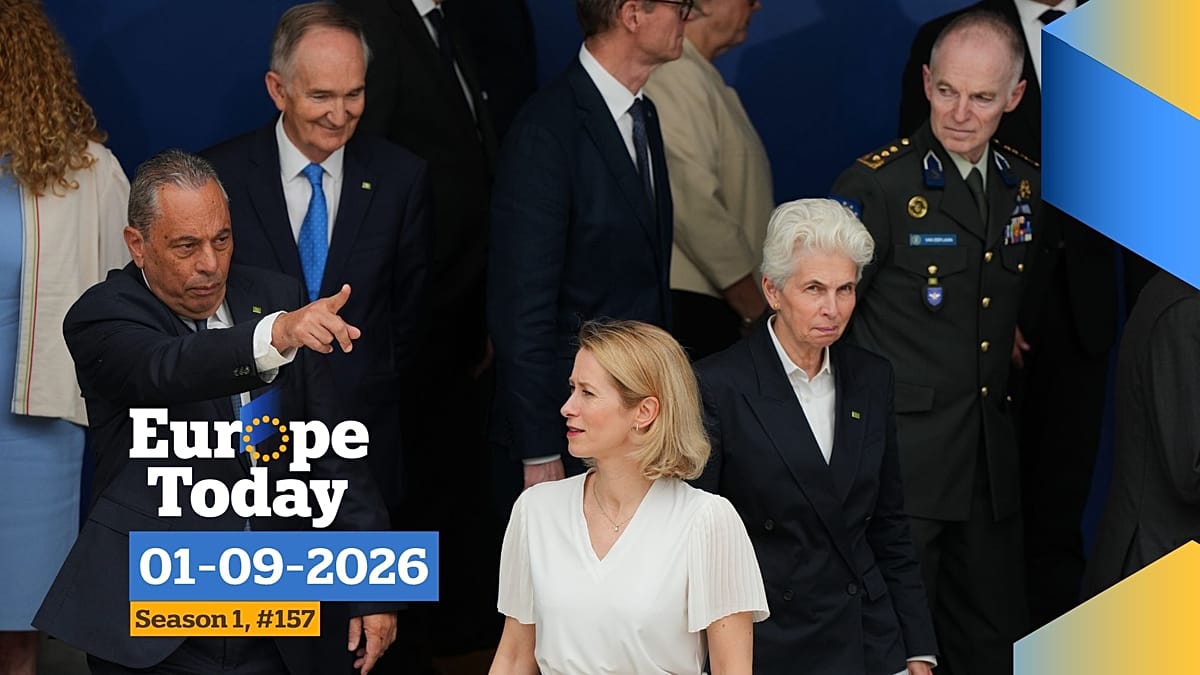
Defence ministers from across the European Union gathered in Brussels on Tuesday for a high-stakes meeting overshadowed by a surge in hybrid warfare and what many capitals now describe as a direct security challenge from Moscow. The talks come as Russian strikes on Ukrainian cities continue to claim civilian lives, and as EU officials point to a growing pattern of sabotage, cyberattacks, and disinformation campaigns on European soil.
Speaking on the margins of the meeting, Swedish foreign minister Maria Malmer Stenergard told Euronews that the threat level in Europe has risen markedly since Russia's full-scale invasion of Ukraine. "We see a more aggressive Russia, willing to use all means short of open war to destabilise our societies," she said. Stenergard stressed the need for closer intelligence sharing and faster decision-making within the EU, particularly when it comes to protecting critical infrastructure.
Hybrid attacks on the rise
The meeting follows a series of incidents that European officials have attributed to Russian operatives, including the boarding of a suspected shadow fleet tanker in the Mediterranean by an EU naval force. That operation underscored the bloc's growing willingness to use maritime assets to enforce sanctions and counter covert activities.
Baltic states, which have long warned about Russian intentions, have pushed back against fears of an imminent military attack, arguing instead that the immediate danger lies in hybrid tactics. Their assessment is that Moscow is testing the EU's resilience through cyber intrusions, GPS jamming, and the weaponisation of migration.
Ministers are expected to discuss a new framework for responding to such attacks, including the possibility of invoking the EU's mutual defence clause, which has never been used. Several member states, particularly those on the eastern flank, are pressing for a more robust mandate for the bloc's rapid deployment capacity.
France's election campaign takes shape
While defence dominated the agenda in Brussels, political attention is also turning to Paris, where the campaign for the French presidential election, scheduled for April, is already gathering pace. Estelle Nilsson-Julien, reporting from the French capital, noted that candidates are positioning themselves early, with debates over security, the cost of living, and Europe's role in the world expected to dominate.
The election comes at a delicate moment for the EU, with France traditionally seen as a motor of European integration. The outcome could reshape the bloc's direction on defence, agriculture, and relations with Russia. The recent death of former prime minister Édouard Balladur, a figure of the Cinquième République, has also prompted reflection on the country's political legacy.
Voices from the European Parliament
In Strasbourg, MEPs are reacting to the latest developments. Terry Reintke, a German Green MEP, said the EU must move beyond rhetoric and invest seriously in collective security. "We cannot rely on the United States forever. Europe needs to take responsibility for its own defence," she argued. Reintke also called for greater transparency in defence spending and a stronger focus on civilian crisis management.
Juan Fernando López Aguilar, a Spanish Socialist MEP, emphasised the importance of rule-of-law and democratic resilience in the face of external interference. "Russia's hybrid war is not only about bombs and cyberattacks; it is also about undermining trust in our institutions," he said. López Aguilar urged member states to strengthen media literacy and protect electoral processes from disinformation.
The defence ministers' meeting is expected to conclude with a set of conclusions on hybrid threats, but concrete decisions are likely to be deferred to the European Council later this year. In the meantime, the EU's eastern members are calling for more visible solidarity, including joint military exercises and permanent infrastructure protection missions.
As the bloc navigates these challenges, the message from Brussels is one of cautious resolve. "We are not at war with Russia, but we are certainly not at peace either," one diplomat said, speaking on condition of anonymity. The coming months will test whether the EU can translate its political will into operational reality.