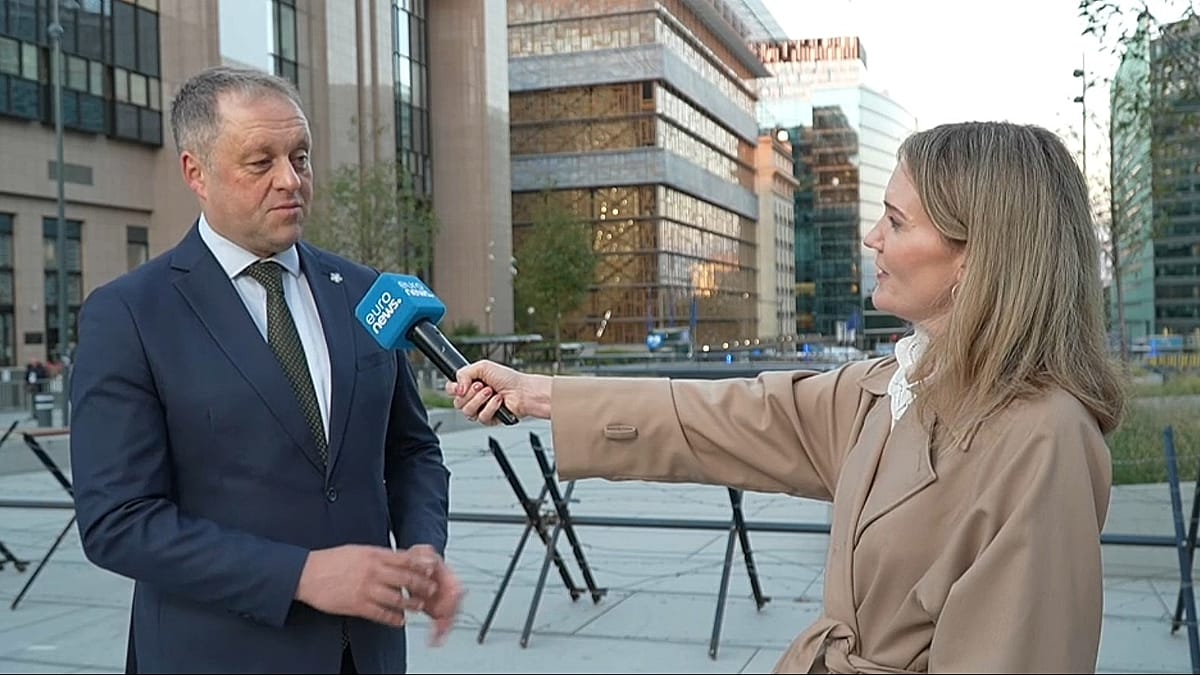
Dublin's minister for European affairs and defence, Thomas Byrne, has expressed confidence that EU leaders can still finalise the bloc's long-term budget before the end of the year. Speaking after the latest European Council meeting, Byrne said member states had drawn "closer together" in their negotiations, even though no breakthrough was achieved in Brussels.
The seven-year budget framework, which sets spending priorities for everything from agricultural subsidies to regional development, has been a recurring source of tension among the 27 member states. Leaders had originally pledged to reach a political agreement by Christmas, and Byrne insisted that target remains realistic.
Still a gap between north and south
Despite the optimism, the underlying fault lines are still visible. A group of wealthy net contributors—led by Germany, the Netherlands, and the Nordic countries—is pushing for deeper cuts to the overall spending envelope. On the other side, southern and eastern member states, including Spain and the Baltic nations, want to preserve the traditional cohesion and agricultural funds that have long supported poorer regions.
Byrne acknowledged the difficulty of reconciling these positions but argued that the political will exists to find a compromise. "We have moved closer together," he said, adding that the remaining differences are "bridgeable" if leaders show flexibility in the coming weeks.
The Irish minister's remarks come amid a broader debate about the EU's financial priorities. Some member states are calling for more money to be channelled into new challenges such as defence, migration, and digital sovereignty, while others fear that such shifts would come at the expense of traditional programmes. The December deadline is already fraying, and any delay could complicate the start of the next budget period.
Ireland, which has historically been a net beneficiary of EU funds, has defended the need for a "realistic" compromise. Byrne's stance reflects a broader Irish position that seeks to balance the interests of poorer regions with the fiscal concerns of the richer north. Dublin has previously backed cuts as part of a pragmatic approach to unblocking the negotiations.
The budget talks are also intertwined with other pressing issues on the EU agenda. At the recent summit, leaders grappled with energy prices, the war in Ukraine, and trade tensions with China. These external pressures have made the budget negotiations even more complex, as member states weigh competing demands on their treasuries.
Byrne's confidence is not shared by all observers. Some diplomats in Brussels have privately expressed doubt that a deal can be struck before the end of the year, given the depth of the disagreements. The next European Council meeting, scheduled for December, is seen as the last realistic opportunity to reach a political agreement.
If no deal is reached by Christmas, the EU would likely have to operate under a provisional budget system, which would limit spending to the previous year's levels and delay new programmes. That scenario is something most member states want to avoid, as it would hamper the bloc's ability to respond to crises and invest in long-term priorities.
For now, Byrne's message is one of cautious optimism. "We have a shared responsibility to deliver for our citizens," he said. "I believe we can get there by Christmas." Whether that belief is shared by the leaders of Germany, the Netherlands, and the Nordic states remains to be seen.