The European Union has voiced "full solidarity" with Spain following the mass border crossing into Ceuta, with Migration Commissioner Magnus Brunner describing the episode as "a test of our European resilience." Speaking after an emergency online meeting of EU interior ministers on Tuesday, Brunner said the bloc had passed that test, even as the fallout continues to strain relations between Madrid and other capitals.
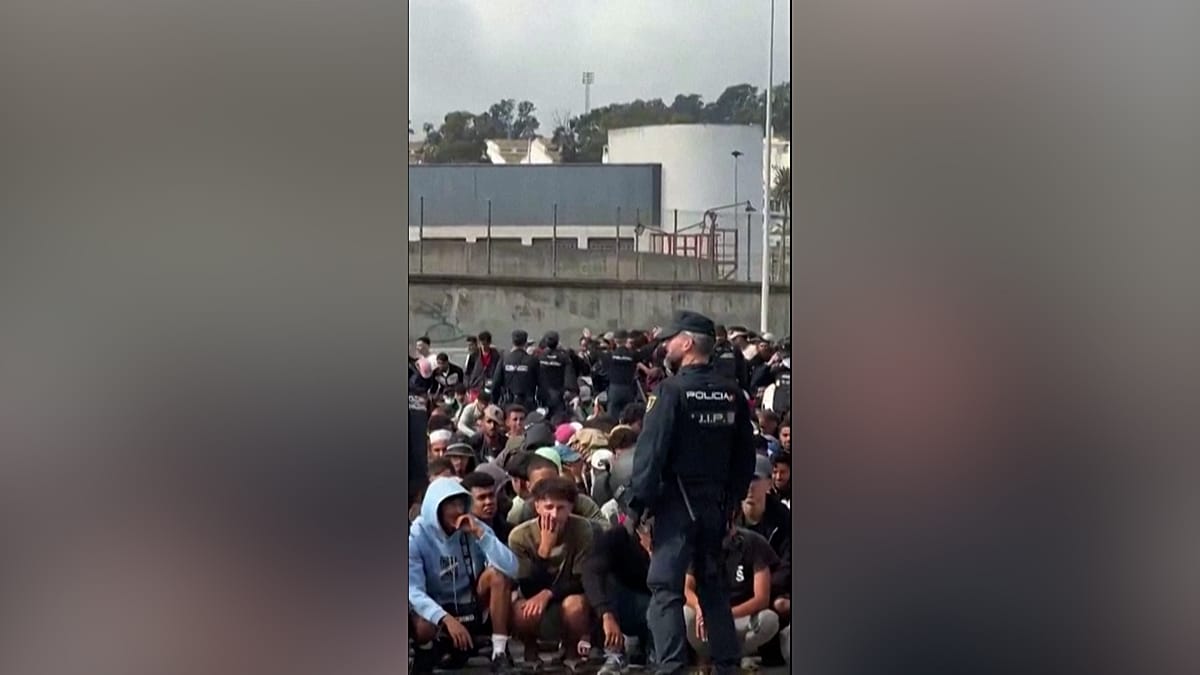
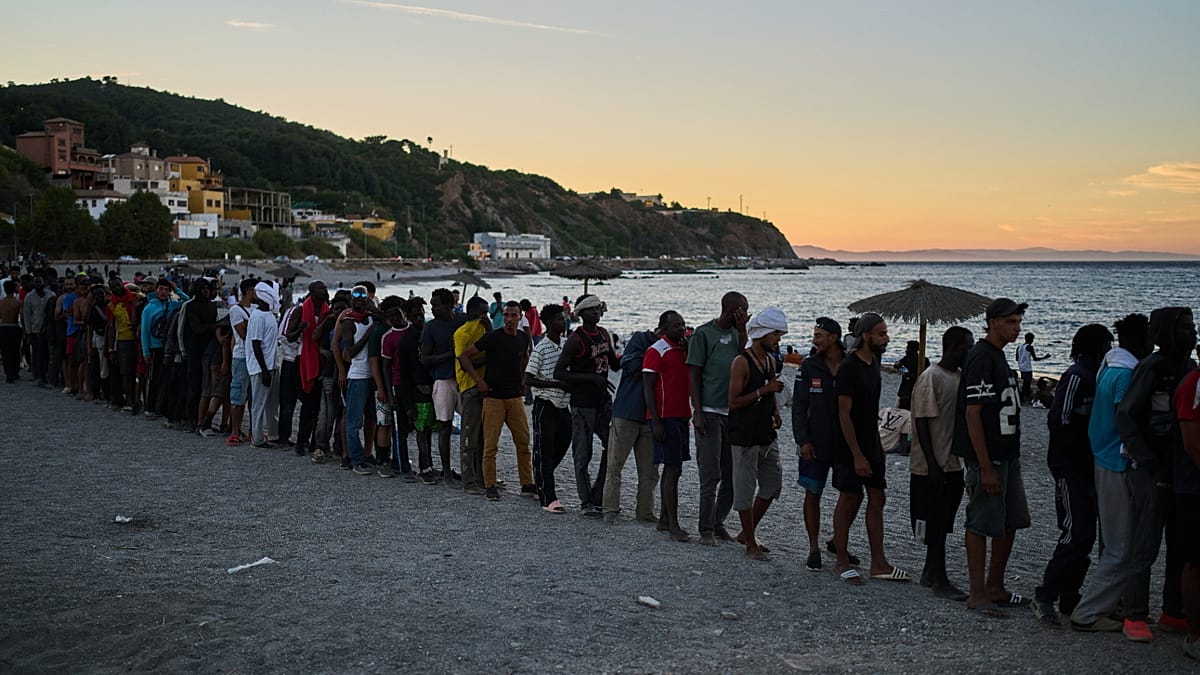
Around 70,000 people entered the Spanish enclave from Morocco within a single day, an unprecedented movement that overwhelmed local authorities and prompted a swift political reaction across the continent. The emergency meeting was convened to coordinate a response and to lower the political temperature around Spanish Prime Minister Pedro Sánchez's migration policies, which have drawn sharp criticism from several member states.
"These past few days were a test of our European resilience, a test of the security of our external borders," Brunner told reporters. "These days clearly showed that there are actors who have no regard for the safety or even for lives of innocent people." He added that "people did not manage to enter the Schengen area, and security at the border was resolved quickly," but stressed that "the key now is for the European Union to act."
Common understanding, divergent approaches
Ministers discussed a range of measures to prevent a repeat of the crisis. A statement circulated by the Irish EU Council Presidency said there was a "common understanding" of the need to target migrant smuggling networks, strengthen returns, reinforce EU borders, develop deeper partnerships with third countries, and improve foresight. Early-warning systems, including pre-frontier intelligence and social media monitoring, were also highlighted as priorities.
Spanish Interior Minister Fernando Grande-Marlaska welcomed the outcome, saying the EU had "acknowledged" Spain's efforts and that Madrid "is pursuing a significant policy to combat irregular immigration within the EU framework." He described the meeting as "necessary to align current and future approaches" and said the result was "satisfactory."
Yet the consensus masked deeper divisions. One EU diplomat told Euronews that a "broad" number of member states wanted to discuss the "political measures" and "incentives" that may have contributed to the largest irregular border crossing ever recorded in Europe over such a short period. Among those was Madrid's January decision to regularise around half a million undocumented migrants by granting them residence and work permits.
Other European governments are moving in the opposite direction, focusing on reducing access to asylum, tightening border controls, and increasing returns. The backlash against Spain was immediate: Italy ordered a temporary suspension of Schengen free movement with Spain, and 22 EU governments sent a letter to EU institutions criticising Spain's migration policies. The United States also weighed in, adding to existing tensions between Sánchez and President Donald Trump.
Officials acknowledged that domestic politics, particularly Italy's upcoming general elections, is shaping the tone of some leaders' comments on Ceuta. The crisis has also exposed the fragility of the Schengen area, with several countries reintroducing border checks in recent months.
For Spain, the immediate challenge remains managing the thousands of people still in Ceuta, including more than 860 minors, as reports indicate. The broader question is whether the EU can forge a coherent policy that balances solidarity with border security, or whether the bloc will continue to lurch from crisis to crisis.
Brunner insisted that Europe had "definitely passed this test," but the coming weeks will show whether the political will exists to turn that resilience into lasting reform. As the collapse of the border demonstrated, the pressures on Europe's southern flank are not going away.