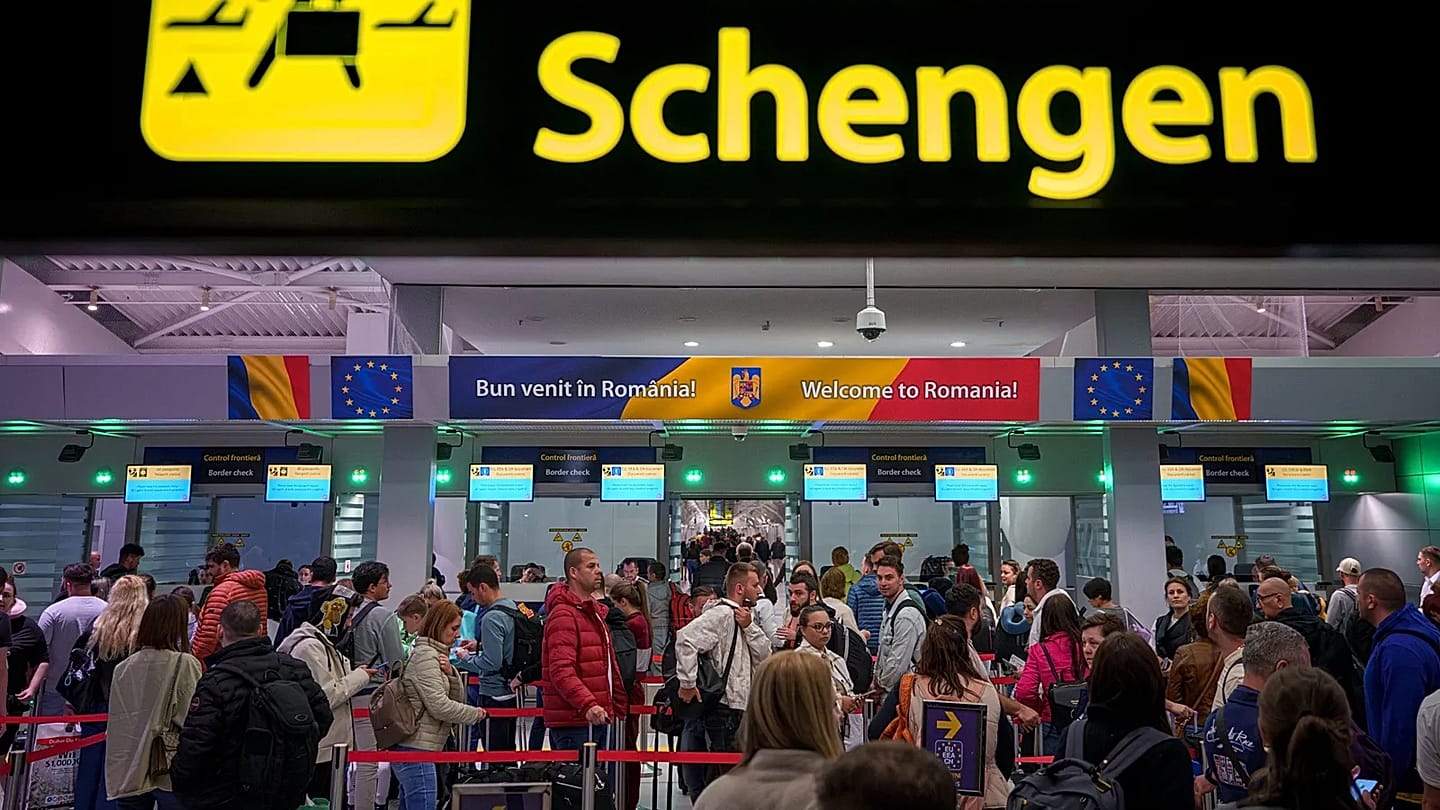
An ambitious European Union proposal to bar Russian combatants from entering the bloc has encountered significant pushback from two of its largest member states. France and Italy have voiced reservations over the practical implementation of the ban, citing legal ambiguities and technical difficulties that could undermine its effectiveness.
The measure, part of a broader sanctions package aimed at tightening the screws on Moscow, would prohibit individuals who have fought for Russia in Ukraine from crossing EU borders. But officials in Paris and Rome argue that the proposal lacks clarity on key points, such as how to verify combatant status and what legal recourse affected individuals would have. The objections have stalled negotiations in Brussels, with diplomats now scrambling to find a compromise.
Legal and Technical Hurdles
According to sources familiar with the discussions, French and Italian representatives have raised concerns that the ban could violate EU asylum laws and international human rights obligations. “We need to ensure that any measure is legally watertight and does not create unintended consequences,” a French diplomat told European Pulse. Italy has echoed these worries, particularly regarding the burden of proof required to identify combatants and the risk of penalizing civilians who may have been coerced into fighting.
The technical challenges are equally daunting. EU border agencies would need to access reliable databases to identify combatants, but such information is often classified or incomplete. Without a clear mechanism, the ban could be either toothless or arbitrarily enforced, critics warn. The dispute comes as the EU grapples with broader questions about the effectiveness of its sanctions regime, which has already faced pushback from Bulgaria over rule-of-law concerns.
Broader Context of EU Sanctions
The combatant ban is just one element of a larger sanctions package that includes tighter export controls and asset freezes. However, the resistance from France and Italy highlights growing fatigue among some member states with the bloc's aggressive posture toward Russia. While the EU has maintained unity on sanctions since the invasion of Ukraine, cracks have begun to appear as the war drags on and economic costs mount.
Italy, in particular, has been a vocal advocate for a more pragmatic approach, arguing that sanctions should be carefully calibrated to avoid harming European businesses. France, meanwhile, has focused on maintaining diplomatic channels with Moscow, even as it supports Ukraine militarily. The combatant ban, some analysts say, risks alienating these key players and slowing the EU's response.
Meanwhile, the EU's energy landscape continues to shift. Gas demand across the bloc has risen as domestic production falls, complicating efforts to reduce reliance on Russian energy. The sanctions debate also intersects with other pressing issues, such as the Paris court's recent order for TotalEnergies to disclose indirect emissions, underscoring the tension between economic interests and climate goals.
What’s Next?
EU foreign ministers are expected to revisit the proposal in the coming weeks, with a revised text that attempts to address French and Italian concerns. Diplomats say a compromise could involve narrowing the ban to cover only those combatants who have committed war crimes or human rights abuses, rather than all fighters. However, such a move would likely face opposition from Eastern European states, which favor a more hardline approach.
The outcome of this dispute will have implications beyond the sanctions package. It will test the EU's ability to maintain cohesion on foreign policy, a challenge that has only grown as the war in Ukraine enters its third year. For now, the combatant ban remains in limbo, a symbol of the delicate balancing act that defines European politics.