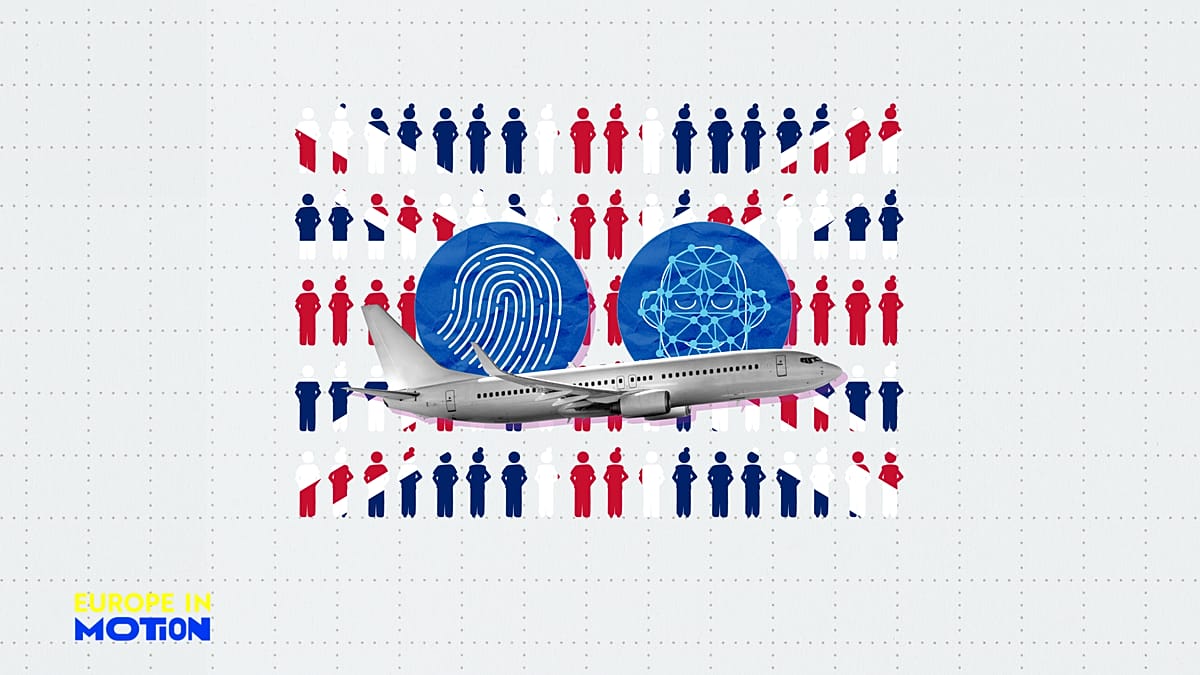
Since April, the European Union's Entry/Exit System (EES) has replaced manual passport stamping with digital records that capture fingerprints and facial images of non-EU travellers entering the Schengen Area. The system, designed to tighten border security for short stays of up to 90 days within any 180-day period, has drawn warnings from airports and airlines about technical glitches and extended waiting times. However, a new YouGov survey suggests that British holidaymakers—among the largest groups of non-EU visitors—are largely undeterred.
How Britons Are Adapting
According to the survey, 64% of Britons planning a trip to Europe in the next twelve months say they will still travel as planned. Another 41% intend to allow extra time for their journey. Only 8% might shift their travel to a different season, 5% would consider a destination outside Europe, and a mere 4% would postpone booking. These figures indicate that the EES is reshaping travel preparation more than travel decisions.
Among those who had visited Europe in the previous month, 36% reported queuing to provide biometric data, while 30% noted longer lines at passport control. Sixteen percent faced additional document checks. Yet 37% experienced no issues at all. When asked about the impact on their trip, 27% said the system increased travel time, 19% reported stress or anxiety, and 16% felt it delayed the start of their holiday. Only 11% said the experience made them worry about future European travel. Slightly more than half—53%—said none of these negative effects applied to them.
Operational Flexibility and Security Goals
The European Commission has hailed EES as a “major milestone” in modernising external borders and enhancing security. In early July, it announced that biometric registration could be “temporarily suspended” during periods of exceptionally high pressure, such as overwhelming queues at a specific crossing. This flexibility aims to balance security with the practical realities of peak travel seasons.
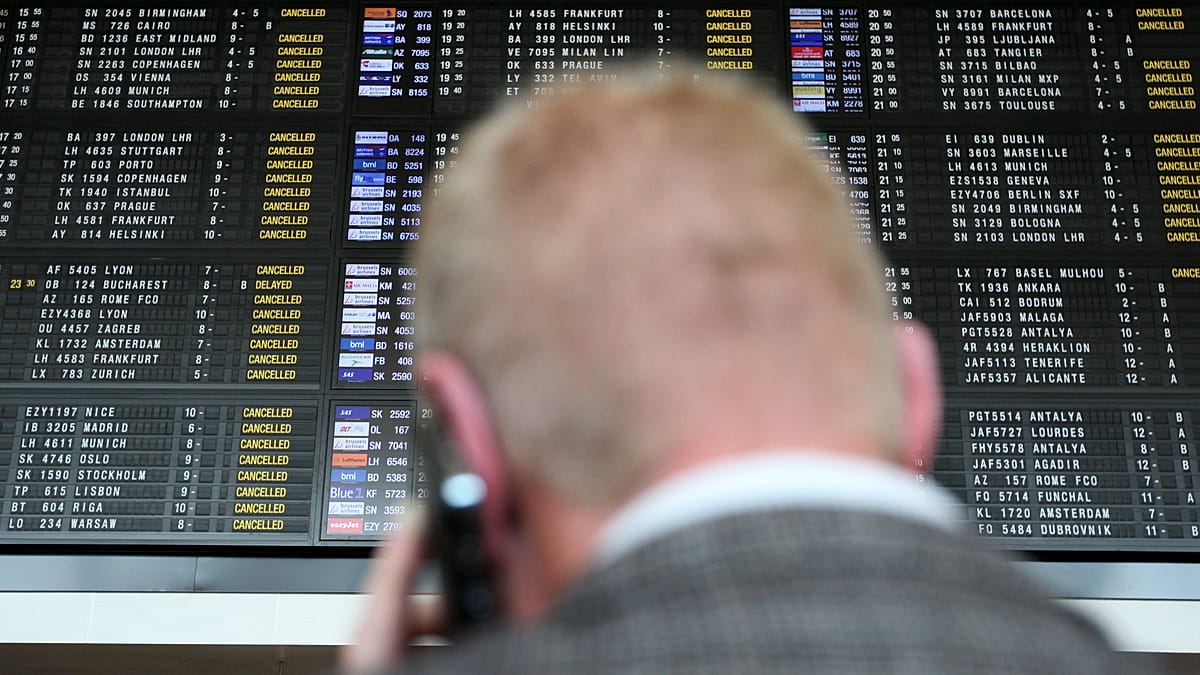
For British travellers, the summer months are particularly significant due to the volume of visitors heading to destinations like Spain, France, Italy, and Greece. The EES applies to all non-EU nationals, including those from the United Kingdom, Switzerland, Norway, and the Balkans, who are visa-exempt for short stays. The system’s rollout has not been without controversy: airports and airlines have repeatedly warned, including in an open letter, that technical issues and the extra time needed to collect biometric data lead to longer queues and disruptions.
Despite these challenges, the data suggests that the EES is not deterring the majority of British holidaymakers. Instead, it is prompting them to plan ahead—arriving earlier at airports, checking documentation more carefully, and factoring in potential delays. For those seeking to rediscover the spontaneity of travel, the new system may require a shift in mindset, but it does not appear to be curbing the desire to explore Europe.
As the system matures, its impact on travel patterns will become clearer. For now, the message from British travellers is clear: they are willing to queue a little longer for a European holiday.