Five European commissioners responsible for the EU's external action have issued a joint warning against proposed cuts to the bloc's Global Europe budget, arguing that reduced funding would undermine the Union's standing and security at a time of heightened global instability.
In a letter addressed to the European Parliament's lead negotiators on the instrument, Michael Gahler of Germany and Robert Biedroń of Poland, the commissioners stress that the EU's ambitions abroad must be matched by adequate financial means. The letter, seen by Euronews, comes in response to a proposal by the Irish presidency of the Council to slash the programme by 17.4%.
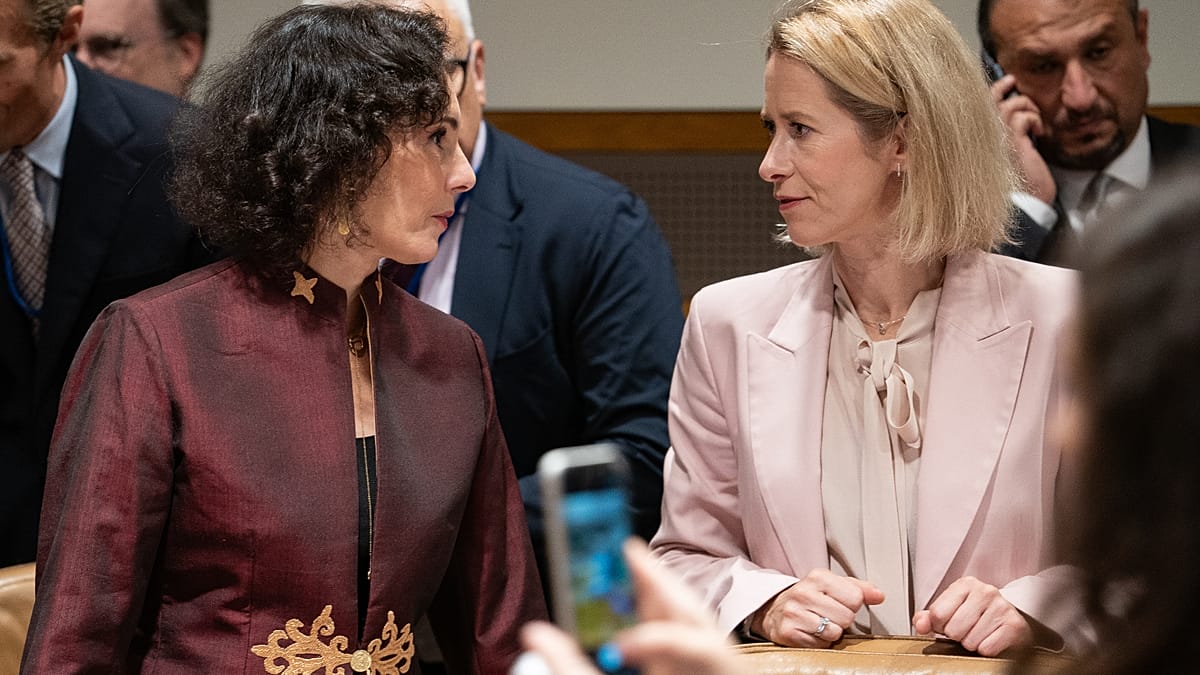
The signatories include EU foreign policy chief Kaja Kallas, along with Commissioners Marta Kos (Enlargement), Dubravka Šuica (Mediterranean), Jozef Síkela (International Partnerships), and Hadja Lahbib (Preparedness and Crisis Management). Their intervention is aimed at shaping the compromise that European Council President António Costa is expected to present before a special summit on 26 November.
“The Commission has proposed an ambitious budget for Global Europe, which is crucial to ensure pre-accession support, promote EU and partner countries’ interests, strengthen partnerships, uphold EU values and respond effectively to crises,” the letter reads. The commissioners warn that cutting the programme could have severe consequences for security, stability, prosperity, and migration management, while weakening the EU's ability to build mutually beneficial partnerships.
Development aid in decline
The letter highlights a worrying trend: development aid from EU member states and other major donors, such as the United States, has been steadily decreasing. This, the commissioners argue, risks leaving significant gaps in partner countries, with potentially destabilising effects. They point to the need for the EU to maintain a leading role in sub-Saharan Africa, the Asia-Pacific, and Latin America, where its presence supports stability, diversifies supply chains, and bolsters economic security.
Enlargement is another area where the commissioners insist adequate resources are essential. Pre-accession support, they argue, “needs enough funding to make difficult reforms worth the political cost for governments.” This is particularly relevant for the Western Balkans and Ukraine, where the EU's credibility depends on delivering tangible benefits to countries undertaking painful reforms.
The region stretching from North Africa to the Middle East and the Gulf is described as pivotal to the bloc's security and prosperity, especially regarding energy and migration. The commissioners stress that strong resources are essential to credibly address the scale of challenges there.
“On a global scale, adequate resources will be needed to confirm the Union’s global leadership in key policy areas. Otherwise, the EU’s role as a champion of multilateralism, notably on climate action, will be weakened, eroding also its credibility,” the letter continues.
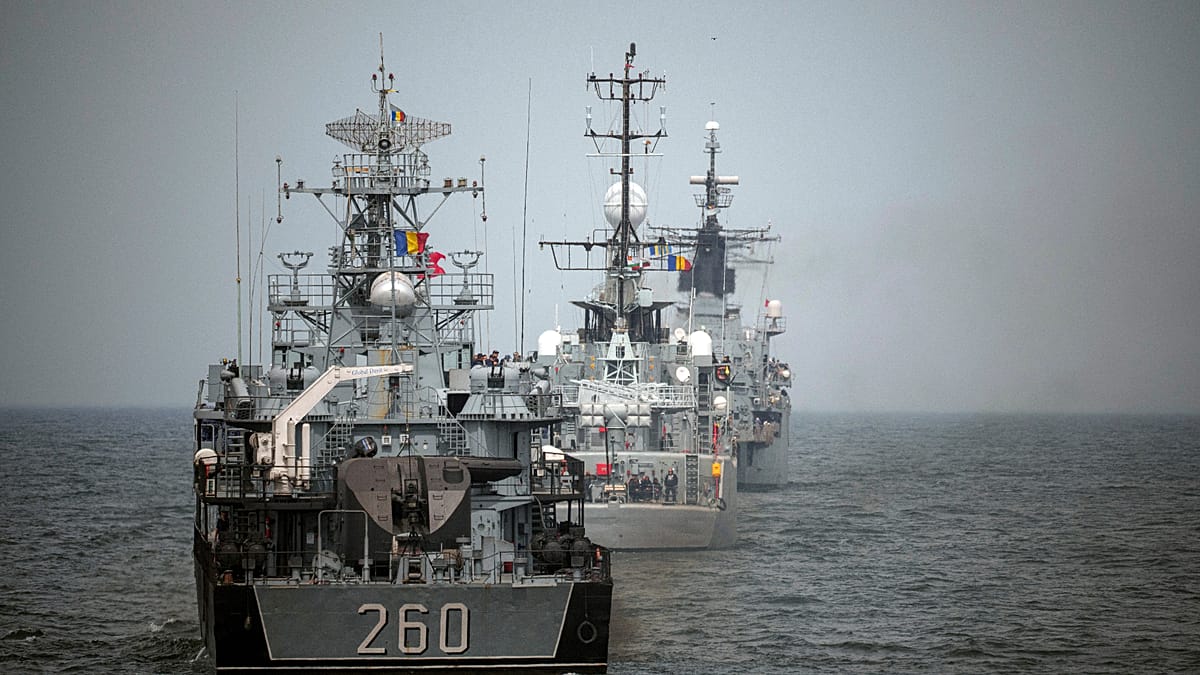
The five commissioners also argue that a robust Global Europe budget is vital for tackling emerging threats such as information manipulation, hybrid attacks, and maritime insecurity, while maintaining the flexibility to respond swiftly to crises and shifting priorities.
EU leaders largely rejected the Irish proposal at last week's summit, and the letter appears designed to influence the upcoming compromise. The debate comes amid broader tensions over the EU's budget, as highlighted by the recent summit deadlock over funding gaps and migration. The commissioners' intervention underscores the high stakes for the EU's global role, as external pressures mount from geopolitical rivals and humanitarian crises alike.