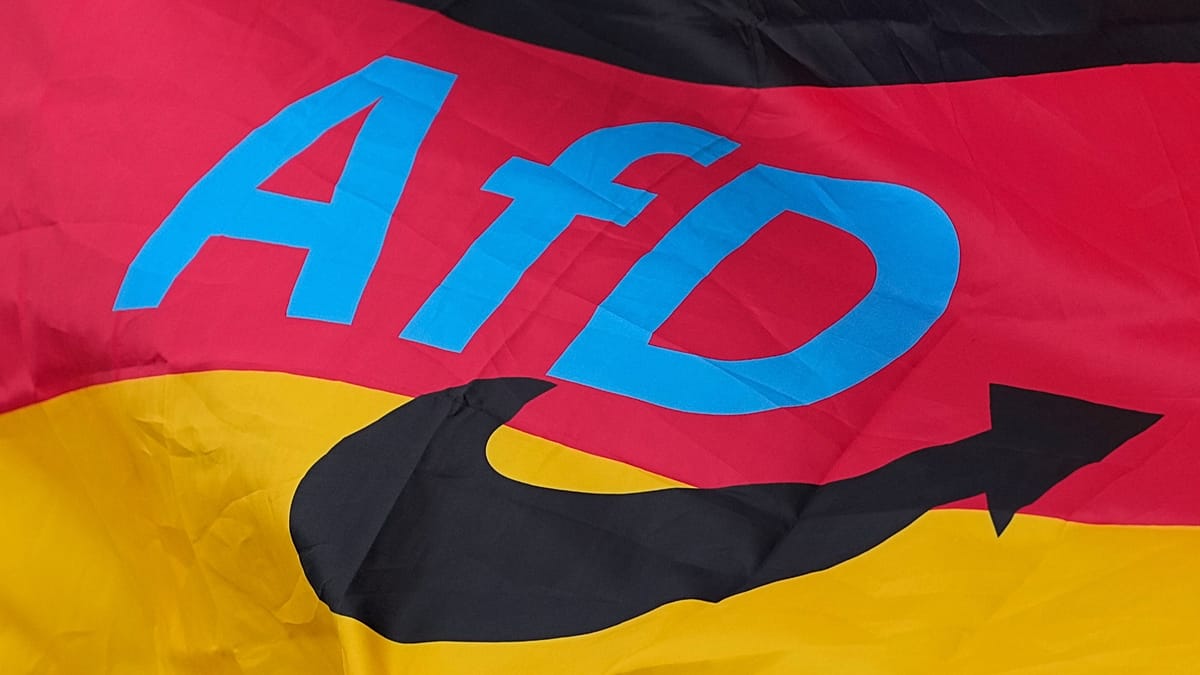
Germany's far-right Alternative für Deutschland (AfD) has confirmed that hackers broke into email accounts belonging to party members and made off with a substantial trove of messages. The party said on Tuesday that more than 421,000 emails were taken in the attack last month, including correspondence from co-leader Alice Weidel and co-founder Alexander Gauland.
The breach came to light after a website published summaries of some of the stolen emails, though it did not release the original messages. According to the Bild daily, the published material included photos of ID cards belonging to party members, as well as bank statements, membership applications, and membership lists from several local AfD branches.
The AfD told AFP that the email service provider used by the party had been targeted. In a statement, the party said that "a small number of email accounts, most of which had not been used for years, were apparently copied unlawfully." It added that "this attack was quickly detected and stopped, and all users were subsequently informed accordingly."
The party said it is reviewing what has been published online and assessing the potential impact. It remains unclear who was responsible for the attack and whether additional data has been compromised.
Political context and rising support
The AfD, known for its anti-immigration stance and friendly posture toward Russia, has been riding a wave of popularity. It currently tops national opinion polls and came first in two state elections last month, comfortably ahead of Chancellor Friedrich Merz's centre-right CDU. This electoral strength makes the party a significant player in German politics, and the breach could have far-reaching implications for its internal operations and public image.
The attack is the latest in a series of cyber incidents targeting political parties across Europe. In Germany, the Bundestag has been a frequent target, and the country's intelligence services have repeatedly warned about foreign interference, particularly from Russian actors. The AfD's own ties to Moscow have drawn scrutiny, and the timing of the hack—just as the party is gaining ground—raises questions about potential motives.
Security experts note that the stolen data could be used for blackmail, disinformation, or to undermine the party's credibility. The publication of ID cards and financial documents is particularly concerning, as it could expose individual members to identity theft or harassment.
The AfD's response has been to downplay the scale of the breach, emphasizing that most of the affected accounts were dormant. However, the inclusion of messages from Weidel and Gauland suggests that even senior figures were not immune. The party has not yet indicated whether it will involve federal cyber authorities, but such a step would be standard practice in similar incidents.
This incident also highlights broader cybersecurity challenges facing European political organizations. As parties increasingly rely on digital communication, they become more vulnerable to sophisticated attacks. The European Union has been working on strengthening cyber resilience, but national parties often lack the resources of state actors.
For now, the AfD is focused on damage control. The party has urged members to change passwords and be vigilant about suspicious emails. It remains to be seen whether the full extent of the breach will be revealed, and whether the stolen data will be used to influence the political landscape in Germany.
The attack comes at a delicate moment for German politics, with the CDU under Merz seeking to counter the AfD's rise. The breach could also affect public trust in the electoral process, especially if the leaked information is used to spread false narratives. As the investigation continues, observers will be watching closely to see who claims responsibility and what they do with the stolen emails.