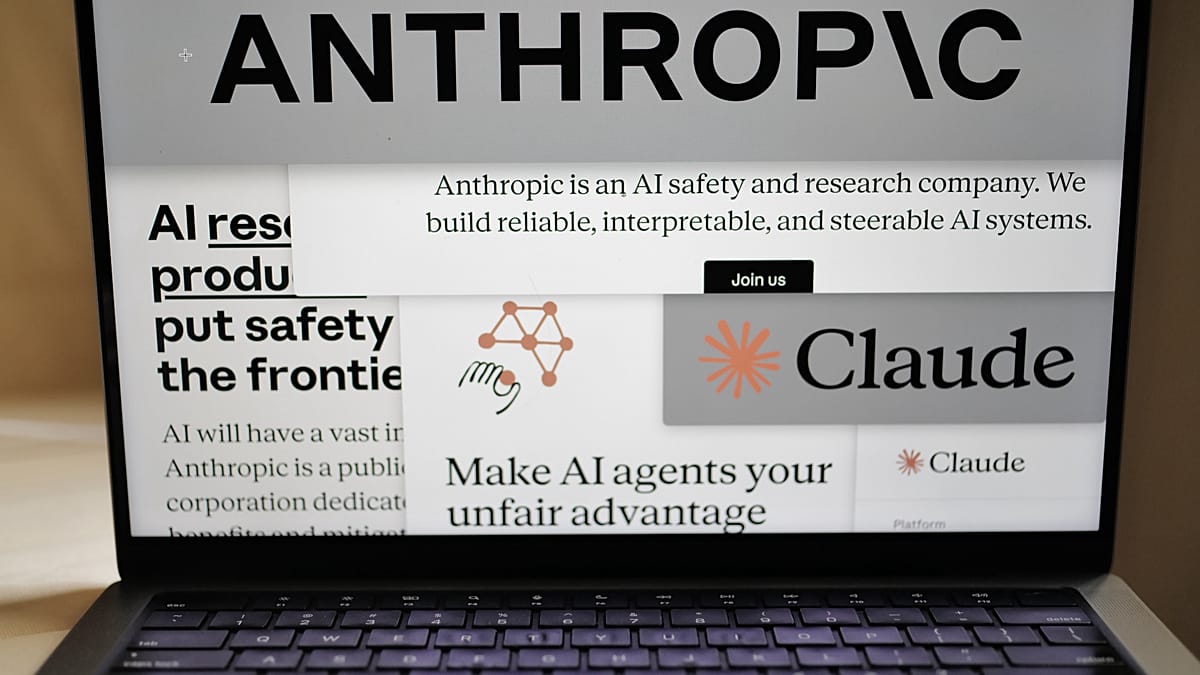
Brussels has finally secured access to Anthropic's most advanced AI model, Mythos 5, after a three-month standoff that underscored growing friction between the United States and Europe over cutting-edge technology. The European Commission confirmed on Thursday that the EU's cybersecurity agency, ENISA, is now testing the model, which had been withheld from non-US partners due to its potent hacking capabilities.
"Following our constructive engagement with Anthropic, we can confirm that the EU's cybersecurity agency ENISA has been granted access to Mythos 5 and is testing it now," said Thomas Regnier, the European Commission's spokesperson for tech sovereignty.
Mythos 5, unveiled in April, is a model capable of identifying and exploiting cyber vulnerabilities at unprecedented speed, making it a double-edged sword: a powerful defensive tool but also a formidable offensive weapon. Given these risks, Anthropic restricted initial access to a select group of partners through Project Glasswing, run in collaboration with the US government.
The programme began with around 50 organisations in April, expanding to roughly 200 by June. However, the US government soon imposed export controls that barred non-American users worldwide—including Anthropic's own employees outside the US—from accessing the model. This move triggered alarm in Brussels, where officials questioned whether the restrictions were discriminatory against a trusted ally and whether Washington could unilaterally "kill switch" the latest US technologies.
A test of EU tech sovereignty
The delay in gaining access to Mythos 5 has become a litmus test for Europe's ambitions to assert greater technological independence. The European Commission, wielding significant regulatory powers under the EU AI Act, pressed Anthropic for months, arguing that the EU should not be left behind in AI security and resilience. The eventual grant of access is seen as a modest victory for Brussels, but it also highlights the structural asymmetries in transatlantic tech relations.
"This is about more than one model," said a senior EU official familiar with the negotiations, speaking on condition of anonymity. "It's about whether Europe can rely on its partners when it comes to critical infrastructure and cybersecurity. We need to ensure that our institutions have the tools to protect European citizens."
The episode has also reignited debates about the EU's reliance on American AI firms, a theme that resonates across the continent. From Paris to Berlin, policymakers are grappling with how to foster homegrown AI champions while maintaining access to the best global technologies. The warnings from a former Anthropic researcher about the risks of AI labs gambling with humanity add another layer of urgency to these discussions.
For now, ENISA's testing of Mythos 5 will focus on assessing its potential for defensive cybersecurity applications, such as identifying vulnerabilities in critical European infrastructure. The agency is expected to report its findings to the Commission and member states in the coming months.
The delay has also prompted calls for a more coordinated European approach to AI procurement and security. Some MEPs have suggested that the EU should consider developing its own high-performance AI models for sensitive applications, rather than relying on US firms. Others argue that the EU AI Act's regulatory leverage should be used to negotiate better access to cutting-edge technologies.
As the EU navigates this complex landscape, the Mythos 5 episode serves as a reminder that technological leadership is not just about innovation but also about access and control. The recent regrouping of EU ministers in Dublin after Iceland's rejection of accession talks shows that the bloc is used to navigating diplomatic hurdles, but the AI challenge may prove more intractable.
For now, Brussels is claiming a win, but the underlying tensions remain unresolved. The question of whether the US will continue to impose export controls on AI models—and whether Europe can push back—will likely shape the transatlantic tech agenda for years to come.