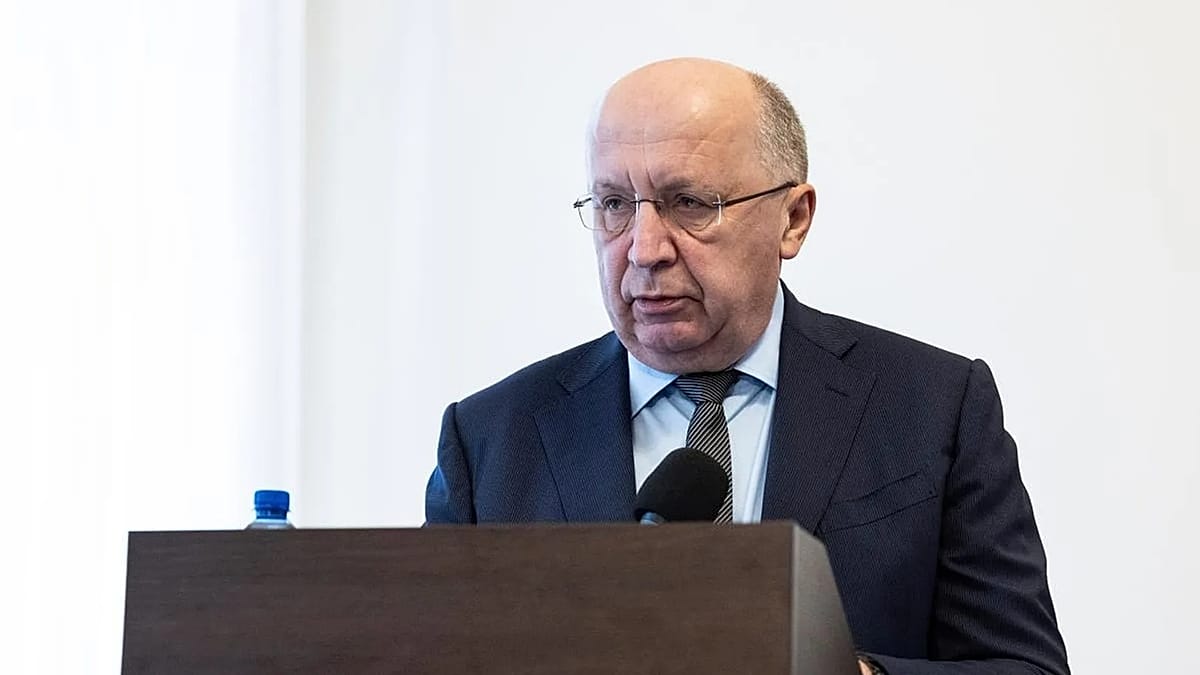
European Commissioner for Defence and Space Andrius Kubilius delivered a blunt message to EU member states on Thursday: if they want peace, they must prepare for war. Speaking at a conference in Brussels, the Lithuanian commissioner urged national governments to align their spending with their stated ambitions for a stronger European security architecture.
Kubilius invoked the ancient Roman maxim si vis pacem, para bellum to argue that military readiness is the most effective deterrent against aggression. “If you want peace, prepare for war,” he said, warning that saving money on defence today comes at the expense of future stability and economic prosperity.
The commissioner pointed to the enormous economic damage that follows when tensions escalate into open conflict. “In order to avoid the case for war, the member states need to increase the EU budget to 12–15 percent of Europe’s gross domestic product,” he said.
Budget battles ahead
Kubilius’s remarks come as the EU prepares for its next multi-annual financial framework (MFF) negotiations, a process that traditionally pits net contributors against those seeking more EU-level spending. A recent proposal from the now-concluded Cypriot presidency of the Council of the EU included a 4 percent cut to the Competitiveness Fund, a key instrument meant to boost technological innovation and defence capabilities.
Net contributor countries such as Germany and the Netherlands—often labelled the “frugals”—have pushed for further budget cuts while also demanding that resources be redirected toward emerging priorities like defence, at the expense of traditional funding lines such as the Common Agricultural Policy and cohesion policy. This tension has only intensified as the war in Ukraine grinds on and the EU seeks to bolster its own defence industrial base.
For Kubilius, the solution lies in increasing EU-level spending on defence, which he argues offers clear added value through joint procurement procedures. “Spending at the European level delivers significantly greater efficiency than spending at the national level,” he said, drawing a parallel with the United States, where the federal budget remained limited until it expanded sharply during the Second World War, alongside the development of the modern welfare and security state.
“If member states want to avoid war and to save money from defence spending, they should increase both the EU budget and also the government spending at the EU level,” Kubilius added.
The commissioner’s intervention is part of a broader debate about Europe’s strategic autonomy and its ability to defend itself without relying on the United States. The issue has gained urgency as Washington’s commitment to European security has become less certain under successive administrations. Meanwhile, the EU has already taken steps to boost defence cooperation, including the creation of a European Defence Fund and the launch of joint projects under the Permanent Structured Cooperation (PESCO) framework.
But Kubilius’s warning suggests that these efforts may not be enough. “Are we serious about war?” he asked the audience. “If we are, we must be serious about the budget.”
The commissioner’s call for a larger EU budget is likely to face resistance from the frugal camp, which has long argued for fiscal restraint. However, the shifting geopolitical landscape—including Russia’s full-scale invasion of Ukraine and the ongoing conflict in the Middle East—has made defence spending a more pressing priority for many member states.
As the EU heads into the next budget cycle, the question of how to finance its defence ambitions will remain a central point of contention. Kubilius’s message is clear: the continent cannot afford to talk tough while cutting corners.