European Union ambassadors early Thursday morning approved the bloc's 21st package of sanctions against Russia, ending a weeks-long deadlock. The holdout, Greece, had blocked the measures over concerns about a ban on Russian liquefied natural gas (LNG) and its transport. Athens eventually relented after securing exemptions for maritime transit, as reported by our colleague Jorge Liboreiro. The package now moves to formal adoption by the Council of the EU.
Latvian Prime Minister Andris Kulbergs, in exclusive comments to Euronews' Europe Today, urged European leaders to confront a stark choice: "Do they want Ukraine to win, or do they want to earn money?" He added, "There's a choice. It's not both. So the sanctions have to be implemented." The remarks underscore the Baltic states' frustration with what they see as economic interests delaying decisive action against Moscow.
Google Faces Landmark Fine Under Digital Markets Act
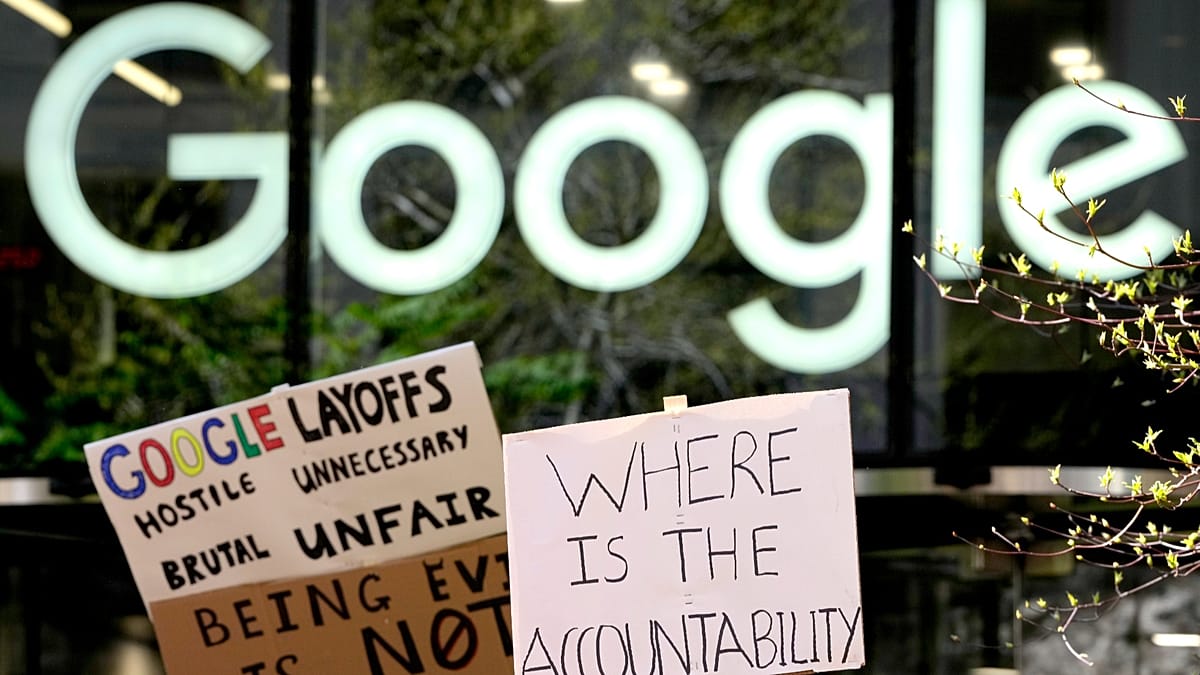
Simultaneously, the European Commission is poised to announce a significant fine against Google, following a two-year investigation into the company's compliance with the Digital Markets Act (DMA). The probe focused on how Google prioritises its own services in search results and restricts app developers from directing users to offers outside its app store and payment system. According to the German financial daily Handelsblatt, the fine was rubber-stamped during a meeting chaired by Commission President Ursula von der Leyen earlier this week.
Penalties under the DMA can reach up to 10% of a company's global annual turnover. For Alphabet, Google's parent company, which reported record revenues of $402.8 billion (€353.08 billion) in 2025, the maximum theoretical fine could run into tens of billions of dollars. However, the Commission is expected to impose a lower amount, though still substantial enough to signal its determination to enforce the bloc's digital rules.
The timing is delicate. Washington has repeatedly accused Brussels of unfairly targeting American tech giants. In January, US President Donald Trump threatened 100% tariffs on any European country imposing digital services taxes on US companies. With the current US tariff regime expiring this Friday, the EU is already bracing for new import duties. The European Commission has indicated it will accept tariffs up to 15%, as agreed under the Turnberry accord signed in July 2025, but further retaliation over the DMA dispute remains a risk.
Diplomatic Manoeuvres in Manila
On the diplomatic front, Ukrainian President Volodymyr Zelenskyy described the atmosphere around Russian President Vladimir Putin as "toxic," citing Ukrainian gains on the front line and successful mid-range strikes. Meanwhile, Russian Foreign Minister Sergey Lavrov met with US Secretary of State Marco Rubio on the sidelines of the ASEAN Foreign Ministers' meeting in Manila. Rubio stated that the US remains open to playing a role in ending the conflict "if that opportunity presents itself," though he admitted efforts have "fallen off a little bit over the last few months."
EU foreign policy chief Kaja Kallas used her platform at the same forum to call on partners to "join the calls" for Russia to cease its full-scale invasion of Ukraine. Her team confirmed she had no scheduled meeting with Lavrov. The US attention has increasingly shifted to the Middle East, particularly after Washington announced a landmark nuclear deal with Saudi Arabia, allowing the kingdom to produce enriched uranium—a dual-use material for both nuclear fuel and weapons.
Commission Rejects Far-Right Citizens' Initiative
In a separate development, the European Commission on Thursday refused to register a controversial European Citizens' Initiative backed by far-right activists. The proposal called for a temporary halt to all "non-Western immigration channels," including study and family reunification visas, and the swift return of irregular and regular migrants deemed not integrated into European society. The Commission rejected the initiative on grounds of "discrimination grounded on race and ethnic origin," a significant blow to proponents of stricter migration policies.
As Brussels navigates these multiple fronts—sanctions enforcement, tech regulation, transatlantic trade, and migration policy—the coming days will test the EU's ability to maintain unity and assert its strategic autonomy on the global stage.