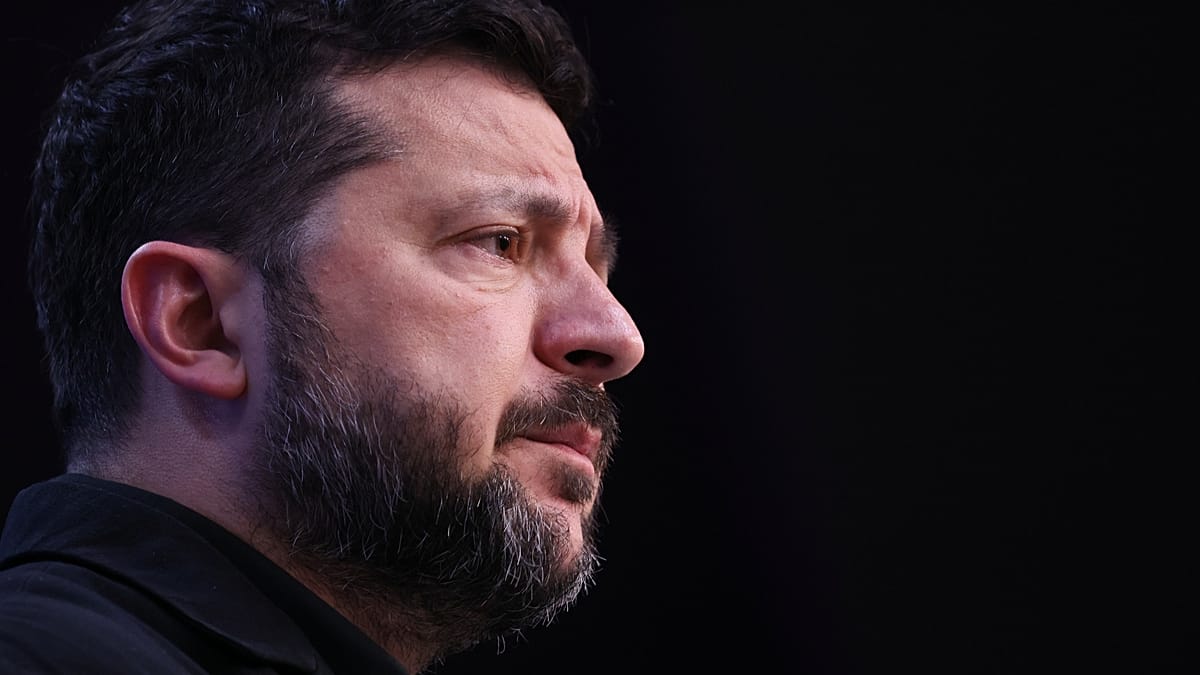
Ukrainian President Volodymyr Zelenskyy has signalled a shift in his public stance, saying that halting the fighting along the current front line is the most realistic way to end the war with Russia. In an interview with Fox News on Wednesday, he described a ceasefire as a necessary first step, using the word "freeze" to describe the immediate goal.
"Right now we have to freeze, and I think this is (the) real way to end this war. We call it ceasefire... freeze and stop," Zelenskyy said, responding to a question about whether he would accept a deal that fixes the front along its current lines. His remarks come as US special envoy Steve Witkoff held talks with Vladimir Putin in Saint Petersburg, part of a flurry of diplomatic activity that has raised hopes—and concerns—about a possible breakthrough.
Kyiv insists on a seat at the table
Zelenskyy stressed that Ukraine is open to negotiations in any format, but he was adamant that Kyiv must be directly involved in any discussions. "I always said that we are open to negotiate in any format, any topics. But don't speak about us without us, please," he said. The comment reflects a persistent worry in European capitals that Washington and Moscow might strike a deal over Ukraine's head—a fear that has been amplified by criticism from EU foreign policy chief Kaja Kallas that the US is pressing Ukraine to surrender on Putin's terms.
The Ukrainian leader also made clear that any agreement must come with robust security guarantees from Ukraine's partners, including the United States and European allies. Such guarantees, he argued, would reassure Ukrainians that they will not live in fear of renewed aggression. "Occupation will come back, aggression will come back, killings will come back," he warned, underscoring the existential stakes for his country.
Satellite services row adds friction
The interview came days after Kyiv accused Washington of deliberately slowing Starshield, the SpaceX-operated military communications system that Ukrainian forces rely on at the front. Ukraine also uses Starlink, SpaceX's civilian satellite network. Zelenskyy said both services remain "still limited," but added that US Secretary of State Marco Rubio had promised to work on unblocking them.
The Wall Street Journal reported on Tuesday that SpaceX owner Elon Musk personally ordered the cut in Starshield services. Musk has previously suggested that any restrictions would have come from President Donald Trump, a claim the White House has denied. The dispute has added another layer of tension to US-Ukraine relations, which have already been strained by delays in Patriot missile deliveries and public pressure from Trump for Kyiv to "make a deal."
For European observers, the episode raises questions about the reliability of US-provided military technology. Several EU governments have been pushing for greater European autonomy in defence, and the satellite row is likely to reinforce those arguments. The recent Oslo talks that eased some US-Ukraine tensions and resumed intelligence sharing may help, but the underlying fragility remains.
Zelenskyy's willingness to freeze the front line marks a notable evolution from his earlier insistence on full territorial restoration. However, he has consistently tied any such move to concrete security commitments. European leaders, who have pledged billions in support, are watching closely. The EU is already grappling with how to fund Ukraine's estimated €70 billion budget shortfall for next year, a challenge that will only grow if a ceasefire leads to reconstruction needs.
As Witkoff's talks in Moscow continue, the coming weeks will test whether both sides can move from rhetoric to a sustainable arrangement. For now, Zelenskyy's message is clear: Ukraine is ready to talk, but not to be sidelined.