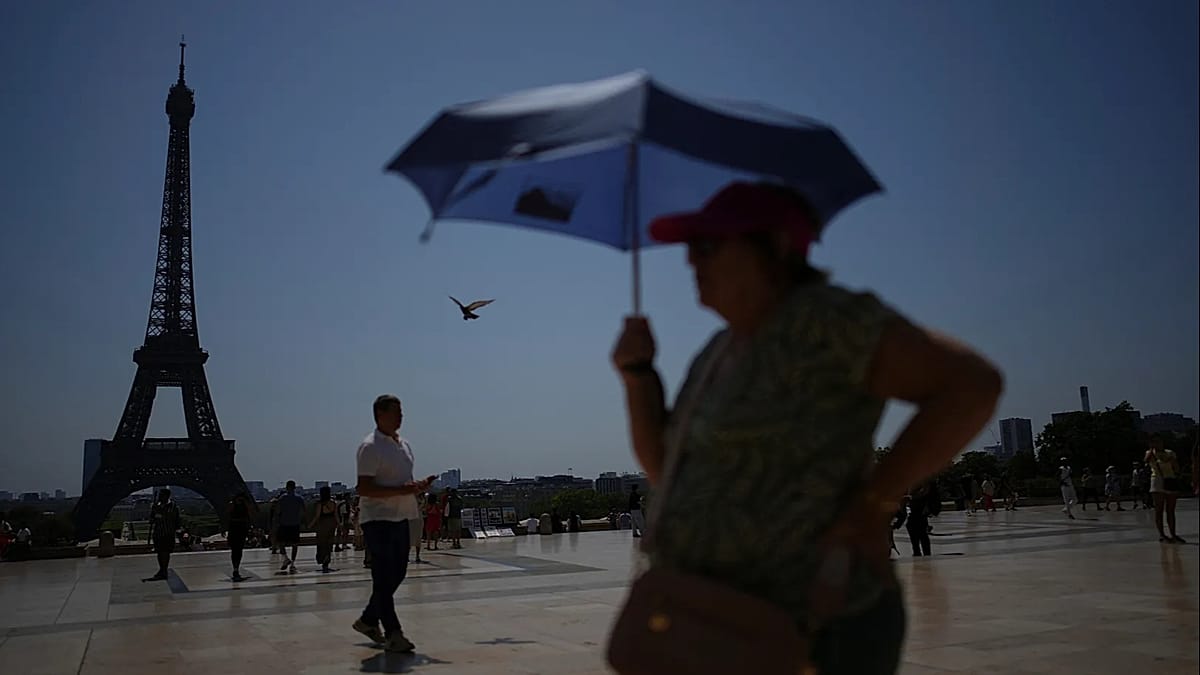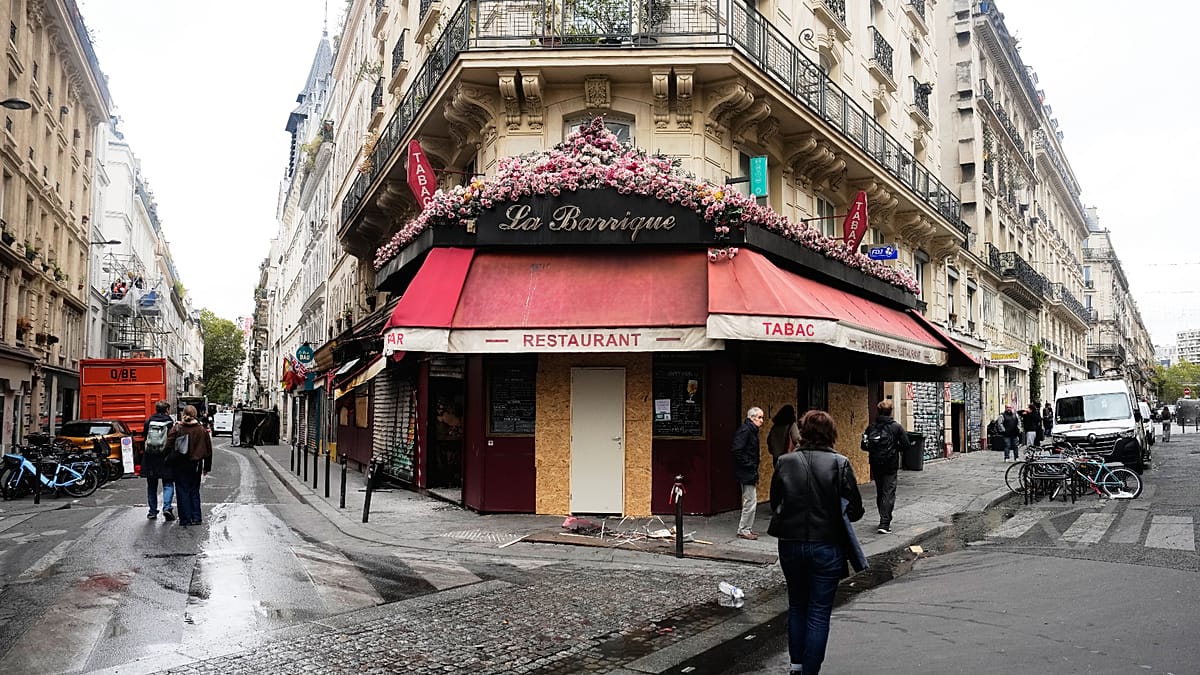
Images of burning cars and clashes with police in French cities have prompted an immediate reaction in the tourism industry, with hoteliers in Paris reporting a noticeable slowdown in advance bookings. The unrest, which began in the capital and spread to Lyon, Nice and other urban centres, has raised fears that foreign visitors will postpone or cancel trips to France, a country that welcomed nearly 90 million tourists last year.
Christelle Cassagne, head of ADN Tourisme, a federation representing France's regional and local tourism bodies, described the situation as "catastrophic" for the sector. "This surge of violence in city centres, in Nice, Paris and Lyon, is catastrophic," she said. "When you book a hotel for a week, it is not to stay shut away in your room." Her comments reflect a broader anxiety among tourism professionals who depend on the summer and autumn shoulder seasons to sustain their businesses.
Early signs of a slowdown
Data from MKG Consulting, a hospitality research firm, show that Parisian hotels have seen a marked drop in bookings for the next six weeks. Between 19 and 20 October, the lead in bookings compared with the same period in 2025 narrowed from 1 percentage point to 0.2 for stays scheduled from 20 to 29 October, and from 3.5 to 1.9 points for the period 20 to 25 October. While the absolute numbers remain modest, the speed of the change has alarmed industry analysts.
Didier Arino, director of the consultancy Protourisme, said the scale of the impact will depend largely on whether the unrest continues. "A single day of riots in Paris is thought to have triggered the cancellation of around 1% of bookings for the month," he noted. "That is still relatively limited, but the further customers travel, the more sensitive they are to security risks, and the greater the consequences."
The closure of the Louvre museum on Monday, prompted by a student gathering at its entrance, added to the sense of disruption. Many tourists who had planned to visit the world-famous institution were left frustrated, and some are now reconsidering their itineraries in the capital.
International warnings and high-spending visitors
Several countries, including the United States, China and Germany, have issued travel advisories warning their nationals about the risks of travelling to France. These warnings are particularly worrying for the tourism sector because visitors from those markets tend to spend significantly more than European travellers. Laurent Abitbol, chairman of the management board of the Selectour travel agency network, warned that the advisories could weigh heavily on arrivals from America and Asia.
The French government has sought to reassure the public and international partners, but the president's rebuke of foreign leaders who he said were exploiting the unrest has done little to calm the tourism industry's nerves. Meanwhile, plans to deploy troops ahead of weekend protests have raised the spectre of further disruption, even as authorities hope to restore order.
The unrest has also drawn comparisons with previous episodes of social tension in France, but the current wave of violence has been described by some local officials as the worst in years. A pharmacy owner in Paris described the devastation in his neighbourhood, and police have arrested a suspect in connection with an arson attack on a town hall in Limoges. The arrest in Limoges underscores the geographic spread of the disturbances.
For the tourism sector, the immediate priority is to reassure potential visitors that France remains a safe destination. But with each new night of violence, that message becomes harder to sell. As one hotel manager in Lyon put it, "We are not just losing bookings; we are losing the confidence of people who have been planning their trips for months."
The longer-term outlook will depend on whether the government can restore calm quickly. If the riots subside, analysts expect a rebound in bookings, as France's cultural and culinary appeal remains undiminished. But if the violence persists, the economic cost could be substantial, not only for Paris but for the entire country.
In the meantime, tourism professionals are bracing for a difficult autumn. The sector, which accounts for about 8% of France's GDP, had been hoping for a strong finish to the year. Instead, it is now counting the cost of a week of unrest that has shaken the country's image as a haven of stability and charm.