For years, travelers across Europe have grumbled about the final-morning scramble to strip the bed, haul out the rubbish, and run the dishwasher before checking out of an Airbnb. That ritual may soon become a thing of the past. The short-term rental platform has revised its community standards to bar hosts from demanding such chores from guests.
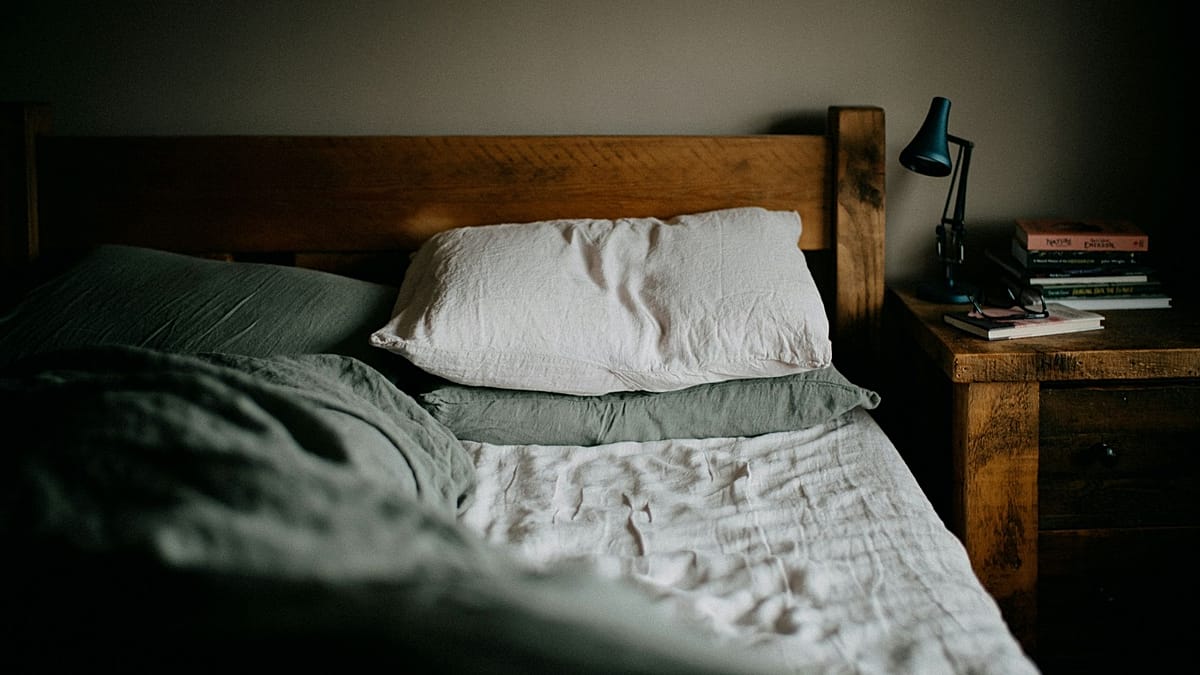
Under the updated policy, hosts can no longer require guests to undertake tasks that involve “significant effort or time, or would typically be performed by a cleaner.” In practice, this means no more stripping bed linen, taking out the bins, or vacuuming the floors. Guests can still be asked to place used dishes in the sink, but not to wash and put them away.
The change comes after years of complaints from renters, particularly in popular European destinations like Barcelona, Lisbon, and Prague, where checkout chore lists have become a recurring frustration. Airbnb acknowledged the issue in a statement shared with Euronews Travel: “House rules help guests understand what hosts expect, but we've heard from our community that they can be confusing, onerous and hard to manage. So we've redesigned them to make them easier to discover and clearer to set, alongside a new policy that keeps requests reasonable, with no surprises.”
What’s new in the house rules?
As part of the overhaul, house rules are now displayed more prominently: on the listing page, in the trips tab, and in reservation reminders. Hosts can choose from seven standard rules covering check-in and check-out times, the number of approved guests, smoking, pet approval, quiet hours, and commercial filming or photography. They can also add “reasonable” requests, which they can update at any time.
Airbnb’s system will flag any request that appears to violate the new policy. Hosts will then have to remove the offending rule or appeal the decision. This automated oversight aims to prevent the kind of excessive demands that have soured many a European holiday.
The move is part of a broader effort by Airbnb to improve guest experience, following its recent launch of rain insurance for holidaymakers in ten EU countries. That product, which covers unexpected downpours during stays, reflects the company’s push to make travel more predictable and enjoyable.
For hosts, the new rules may require adjustments. Many rely on guests to handle basic tidying, especially in cities where cleaning services are expensive. But the platform argues that the policy will reduce friction and lead to better reviews. “We believe this will make stays more enjoyable for everyone,” the statement added.
Travelers across Europe have welcomed the change. In Berlin, frequent Airbnb user Anna Weber told European Pulse: “It’s about time. I’ve had hosts ask me to mow the lawn or water plants—it felt like unpaid labor. This policy restores a sense of fairness.”
Not all hosts are pleased. Some argue that a few simple tasks help keep prices down. “If guests don’t do the dishes, I have to pay my cleaner extra, and that cost gets passed on,” said Marco Rossi, who rents out an apartment in Rome. “But I understand the need for clear rules.”
The update also aligns with broader trends in the short-term rental market, where platforms are competing to attract travelers who value convenience and transparency. As European cities tighten regulations on short-term lets, Airbnb is keen to burnish its reputation as a responsible operator.
For now, the policy applies globally, but its impact will be felt acutely in Europe, where Airbnb has a dense network of listings. Whether it will end the dreaded checkout chore list remains to be seen, but the platform’s message is clear: your holiday should end with a sigh of relief, not a scrub brush.