Geneva — The current El Niño could become the most powerful ever recorded, according to United Nations officials, who are pressing governments across Europe and beyond to prepare for extreme weather before it strikes.
Celeste Saulo, secretary-general of the World Meteorological Organization (WMO), told reporters on Wednesday that the phenomenon may push sea surface temperatures in the tropical Pacific to 3.8°C above average between November and January — a level far beyond what has been observed in the past four decades.
“The current El Niño event could be unprecedented in strength. Literally off the monitoring charts that we have used for the past four decades,” Saulo said. “El Niño will peak towards the end of 2026, but its impacts will be felt long after that.”
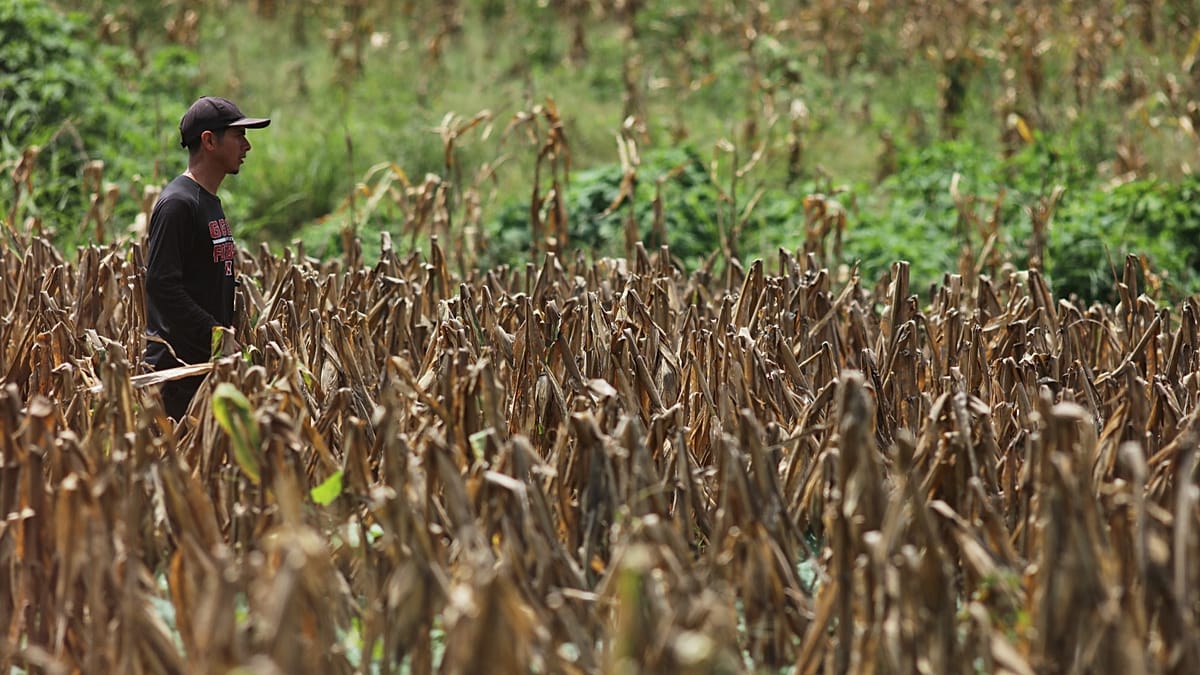
The WMO’s latest seasonal climate update indicates that the warming of the equatorial Pacific will disrupt weather patterns worldwide, amplifying heatwaves, droughts, and floods. Saulo stressed that the effects would extend well beyond the tropical regions where the phenomenon originates.
A call for early action
Saulo appeared alongside Tom Fletcher, the UN’s under-secretary-general for humanitarian affairs, who described El Niño as a “wrecking ball” of extreme weather. He warned that the resulting shocks would ripple through global supply chains, hitting European economies and food security as much as the most exposed countries.
“The damage will not stay in the countries in the immediate path of this El Niño,” Fletcher said. “It will create economic shocks for the global economy and drive further conflict, displacement, migration.”
Fletcher urged governments, development banks, and international financial institutions to release funding “before that damage is done, not afterwards.” He noted that the humanitarian system alone cannot cope with a threat of this scale.
“The choice is clear: we can wait for disaster or we can invest in resilience. We cannot prevent El Niño but we can be serious about the challenges ahead,” he said.
The UN has already released $50 million to support 11 of the most vulnerable countries, including Chad, El Salvador, Ethiopia, Somalia, and South Sudan. But Fletcher stressed that far more will be needed as the event unfolds.
For European readers, the warning carries direct implications. The WMO expects El Niño to push global temperatures higher, adding to the warming already driven by greenhouse gas emissions. This could exacerbate heatwaves in southern Europe, disrupt agricultural output in the Mediterranean, and strain water resources in regions like the Iberian Peninsula.
European governments have been urged to factor El Niño into their disaster preparedness and climate adaptation plans. The EU’s Copernicus Climate Change Service has already flagged the likelihood of above-average temperatures across the continent in the coming months.
El Niño is a natural climate pattern that recurs every two to seven years, typically lasting nine to twelve months. It occurs when surface waters in the central and eastern equatorial Pacific become unusually warm, shifting wind patterns, air pressure, and rainfall across the globe.
While the phenomenon is natural, its impacts are increasingly felt through the lens of human-induced climate change. As Saulo put it, “This will have far-reaching consequences for weather patterns across the world.”
The UN’s call for anticipatory action echoes a broader push among European policymakers to shift from reactive disaster relief to proactive resilience building. The question now is whether governments will heed the warning before the next crisis hits.