Colombian authorities have intercepted 76 tonnes of cocaine at the port of Cartagena, marking the largest drug seizure at that facility in ten years. President Abelardo de la Espriella announced the operation on Tuesday, describing it as a major blow to narco-trafficking networks.
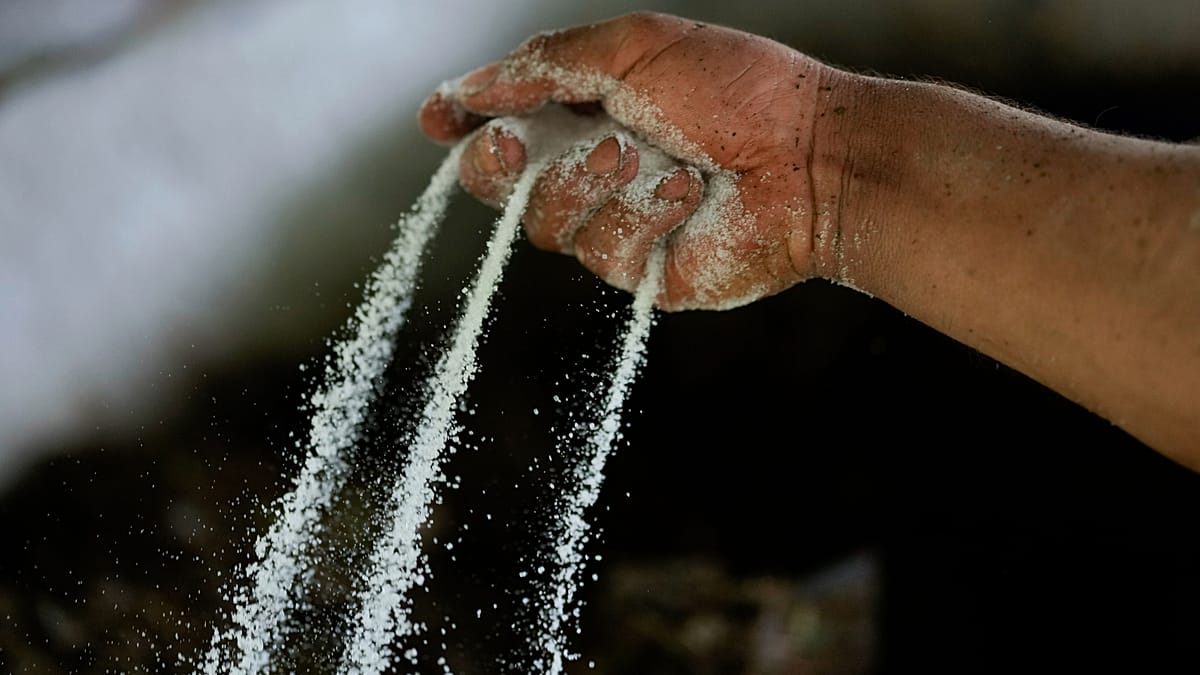
The drugs were concealed in shipments of powdered panela, an unrefined cane sugar commonly used in Latin American cooking. Colombia's National Police said the discovery was made by its anti-narcotics directorate in coordination with the US Drug Enforcement Administration (DEA).
According to President de la Espriella, the cocaine was destined for the Netherlands, a key entry point for illicit drugs into Europe. The seizure underscores the persistent flow of cocaine across the Atlantic, despite increased interdiction efforts.
Record seizures under new government
In a statement on social media, de la Espriella highlighted the scale of his administration's anti-drug campaign. "The National Police has just achieved the largest cocaine seizure in the port of Cartagena in the last 10 years," he wrote on X.
The president added that security forces had seized a total of 132 tonnes of cocaine, worth an estimated $6.1 billion, during his first 75 days in office. "There is no truce against narco-terrorism! Every dose we prevent from reaching the streets saves lives, and every dollar we take from them weakens their criminal structures," he said.
The operation comes amid broader efforts to curb drug trafficking between Latin America and Europe. Earlier this year, Portuguese authorities seized 37 tonnes of cocaine off the coast of Faro, highlighting the scale of the trade.
Dutch arrests in Colombia
Separately, the Dutch Public Prosecution Service (OM) confirmed to the Dutch newspaper AD that two Dutch nationals had been arrested in Colombia at its request. The individuals are wanted by prosecutors in the Netherlands, though details of the charges were not immediately disclosed.
The arrests and the Cartagena seizure point to the international dimension of the cocaine trade, with European countries both as destinations and as sources of criminal networks. The Netherlands, in particular, has become a major transit hub for cocaine entering Europe, with ports like Rotterdam frequently used for smuggling.
European authorities have been stepping up cooperation with Latin American nations to tackle the problem. The Netherlands has also been pushing for stricter EU rules on police data sharing with third countries, a move that could enhance cross-border investigations.
Colombia remains the world's largest producer of cocaine, and its government has faced persistent challenges in curbing production and trafficking. The recent seizures are part of a broader strategy to disrupt criminal finances and logistics.
Analysts note that while large busts are significant, they often represent only a fraction of the total flow. The cocaine trade continues to adapt, using new routes and concealment methods, making international cooperation essential.
For European readers, the Cartagena seizure is a reminder of the continent's role in the global drug market. The cocaine destined for the Netherlands would likely have been distributed across Europe, fueling addiction and violence. The arrests of the two Dutch nationals also highlight the involvement of European citizens in the trade.
As authorities on both sides of the Atlantic intensify their efforts, the hope is that such operations will deter traffickers and reduce the supply of cocaine reaching European streets.