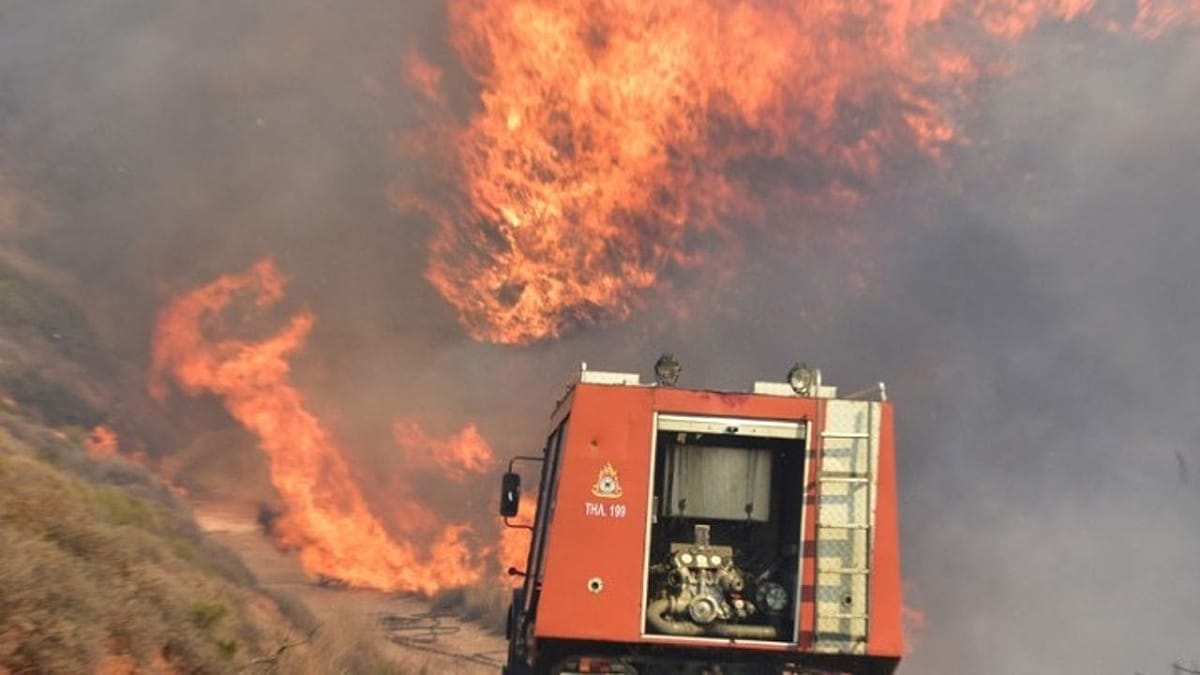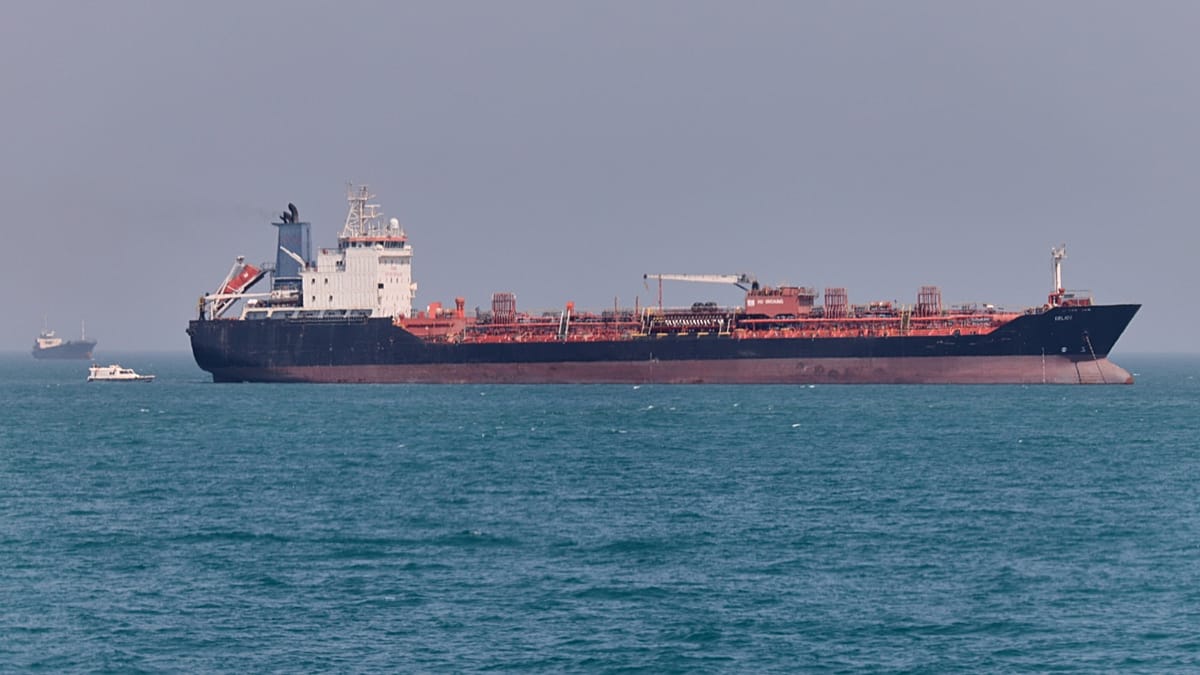
One hundred days after the onset of the war with Iran, Europe is grappling with one of the most severe fossil fuel shocks in decades. The conflict has tightened Iran’s grip on the Strait of Hormuz, keeping oil and gas prices volatile. Yet the European Union’s expanding renewable energy capacity has provided a significant buffer: solar power alone saved the bloc an estimated €12.8 billion by early June, according to industry data.
Despite these gains, the EU continues to spend billions on imported fossil fuels and has actually deepened its reliance on its two largest liquefied natural gas (LNG) suppliers—the United States and Russia. A new analysis by the Institute for Energy Economics and Financial Analysis (IEEFA) reveals that overall EU LNG imports fell by 1.2 percent between March and May 2026 compared to the same period last year, with the United Kingdom recording a sharper 20 percent decline. Combined, the EU and UK saw a three percent reduction.
“The EU has realised that its 2022 decision to boost LNG imports is no longer sustainable,” said IEEFA energy analyst Ana Maria Jaller-Makarewicz. “Supply constraints have prompted a reduction in LNG imports, highlighting the imminent need for further gas demand reduction to avoid jeopardising the bloc’s energy security.”
Three Member States Swim Against the Tide
While most EU countries have cut back, three member states have moved in the opposite direction. Germany’s LNG imports surged 72 percent year-on-year from March to May 2026—the steepest increase in the bloc. Italy, which risks missing its 2030 emissions targets, and Belgium also recorded higher LNG imports over the past twelve months. Jaller-Makarewicz warned that these countries have “deepened their exposure by increasing them,” leaving them more vulnerable to future price spikes.
The IEEFA data further shows that EU dependency on US and Russian gas has persisted during the first 100 days of the Middle Eastern conflict. With Qatari LNG shipments effectively blocked by the Strait of Hormuz closure, the EU turned elsewhere: imports from the US rose five percent, from Algeria 11 percent, from Russia 25 percent, and from Norway 84 percent. The US now accounts for 60 percent of the EU’s LNG imports, up from 56 percent a year earlier.
Electrification Spending Remains a Fraction of Crisis Bill
The war has saddled the EU with an estimated €60 billion energy bill, including more than 210 emergency measures adopted by member states. Yet less than five percent of that sum—roughly €2 billion—has gone toward electrification, the structural investment that reduces exposure today and builds resilience for tomorrow, according to Alice Moscovici, a researcher at the Jacques Delors Institute in Paris.
“Less than five percent of it has gone to electrification measures, the one structural investment that reduces exposure today and builds energy resilience for tomorrow,” Moscovici said. Homegrown renewables already saved the EU €51 billion last year by displacing polluting imports, with solar and wind leading the way.
European households are also taking matters into their own hands. Heat pump sales jumped 25 percent in France, Germany, and Poland in early 2026. In the UK, Octopus Energy reported a 51 percent increase in sales during the first three weeks of March compared to the previous month. Multiple car marketplaces across Europe have seen a surge in interest in electric vehicles, while UK government data shows more than 27,000 solar installations were completed in March 2026—the highest monthly total since 2012.
“Accelerating the transition to electrified transport, heating, and industry is essential to reducing dependence on imported fuels and strengthening resilience,” said Adrian Hiel, Director of the Electrification Alliance. “The reason it will work is because households and businesses will save tens of billions of euro every single year.”
Renewables Begin to Break the Merit Order
Electricity prices in many EU countries remain tied to volatile fossil fuel costs through the so-called merit order principle, which sets prices based on the most expensive power plant still needed to meet demand. But investment in renewables is starting to weaken that link, shielding Europeans from fossil fuel shocks and stabilising bills.
“In the first five months of 2026, countries with low shares of fossil fuels in their electricity generation mix had a more favourable proportion between gas and electricity prices,” explained Aneta Stefańczyk, an industry expert at the European Climate Neutrality Observatory. “The differences are large: the electricity-to-gas price ratio is over two times lower in Spain compared to more fossil-fuel reliant countries like Italy or Poland.”
As the EU navigates the ongoing crisis, the divergence between member states underscores the uneven pace of the energy transition. For countries like Germany, Italy, and Belgium, the immediate cost of securing supply may come at the expense of long-term energy independence.