At a motorway rest stop near Ljubljana, counsellors from eight countries are handing out leaflets to truck drivers, asking about their working conditions, rest periods, and pay. The scene is part of a broader effort to reach Europeans who work across borders but often fall through the cracks of national labour systems.
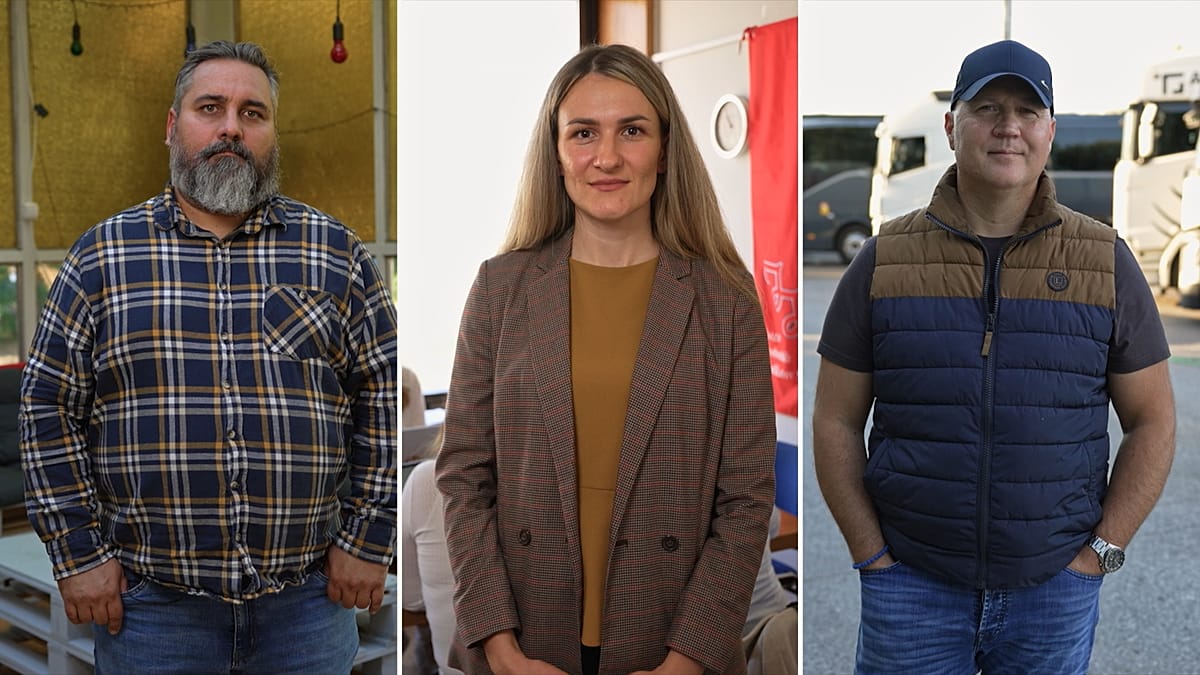
“They desperately need information, correct information, because, to a certain extent, they’re left to fend for themselves,” says Marko Tanasić, a counsellor with the Slovenian trade union ZSSS and part of the Fair Labour Mobility EU project.
Millions of Europeans work in another member state, and many are not receiving the wages and benefits they are legally entitled to. Goran Jovanovic, a long-distance truck driver from Slovenia, explains that many drivers “aren’t paid according to a collective bargaining agreement, as they should be.” Instead, they are paid by fixed daily rates or per kilometre driven, which often falls short of what is owed.
The Fair Labour Mobility EU project, with a budget of €1.2 million this year—90% funded by the EU—has helped nearly 3,000 workers claim their labour and social rights between 2024 and 2025. The cases range from unpaid social security contributions and workplace accidents to substandard accommodation and underpayment, often involving multiple countries.
Brussels steps up with a new package
The European Commission has just launched its Fair Labour Mobility Package, a legislative proposal with three main goals. First, it aims to speed up the recognition of professional qualifications across borders. Second, it introduces a digital wallet to store and share social security documents, making it easier for workers to prove their entitlements. Third, it expands the role of the European Labour Authority (ELA) in detecting and combating fraud.
The package is a response to the growing complexity of cross-border work in the EU, where different national systems often create confusion and loopholes. For example, a worker employed in Germany but living in Poland may face delays in receiving sickness benefits or pension contributions, while employers may exploit gaps in oversight.
The initiative builds on the work of projects like Fair Labour Mobility, which have shown that direct outreach is effective. Counsellors stationed at border crossings, rest stops, and transport hubs have managed to reach workers who might otherwise never contact a union or a labour inspectorate.
“The key is to be where the workers are,” says Tanasić. “Many of them don’t know their rights, and even if they do, they don’t know who to turn to.”
The new EU package also seeks to strengthen the ELA, which currently has limited powers to coordinate national enforcement. The proposed changes would give the agency more authority to conduct joint inspections and share data across borders, a move that could deter employers from underpaying workers.
For workers like Jovanovic, the impact is tangible. “We spend weeks away from home, and we should be paid fairly for that,” he says. “It’s not just about the money—it’s about respect.”
The Commission’s proposal will now go through the ordinary legislative procedure, with the European Parliament and the Council of the EU expected to negotiate the details. If adopted, the measures could significantly improve the lives of the estimated 17 million Europeans who live or work in another member state.
As the EU continues to grapple with labour shortages and demographic change, ensuring that cross-border workers are treated fairly is not just a matter of justice—it is also an economic imperative. A worker who feels cheated is less likely to take up a job abroad, which could exacerbate skills gaps in sectors like transport, construction, and healthcare.
The Fair Labour Mobility project, meanwhile, continues its outreach. Its counsellors are already planning next stops in other border regions, from the German-Polish border to the Alpine passes, to ensure that no worker is left without the information they need.