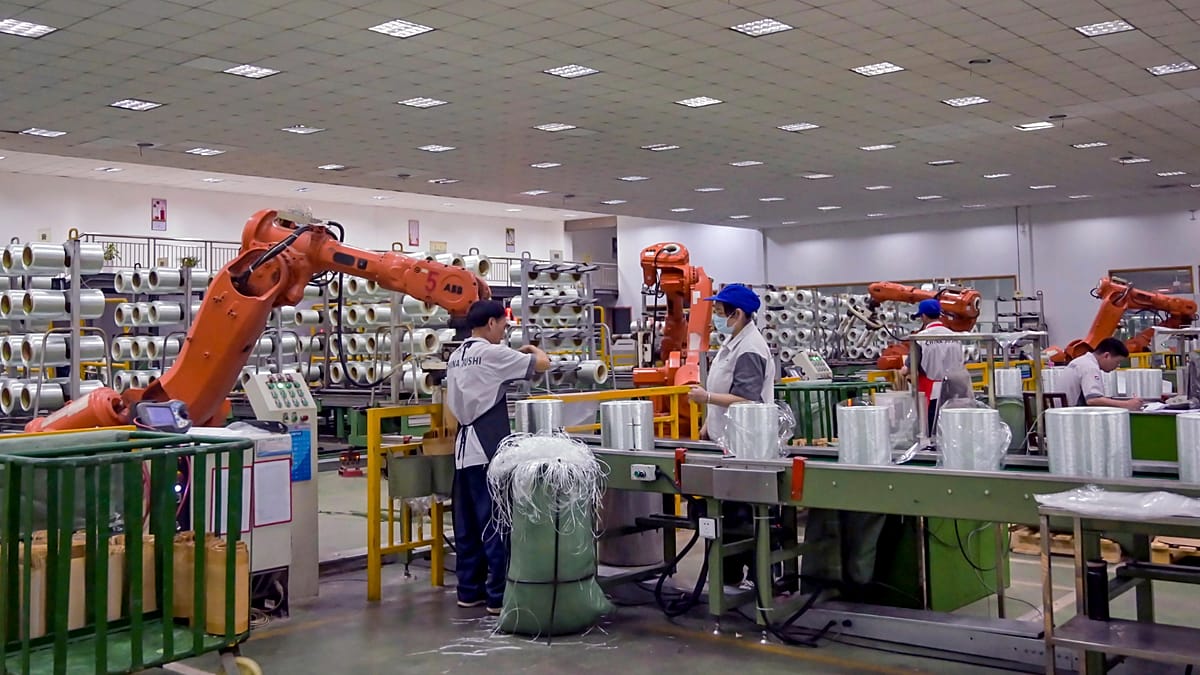
The European Commission has taken direct aim at a key tactic used by Chinese manufacturers to access the EU market, imposing new anti-dumping duties on glass fibre produced in third countries. The move targets products made by Chinese firms operating in Egypt, Bahrain, and Thailand, which Brussels asserts are being used to circumvent existing trade defences against China.
Targeting the Belt and Road Production Shift
The new tariffs, ranging from 11% to 25.4% of the product's value, are a specific response to China's strategy of relocating production through its vast Belt and Road Initiative. This global infrastructure and investment programme has enabled Chinese state-owned enterprises and private companies to establish factories abroad, from which they can export goods to the European Union without facing the same duties applied to products labelled "made in China." Glass fibre is a critical material for Europe's renewable energy and composite materials industries, making the market a significant battleground.
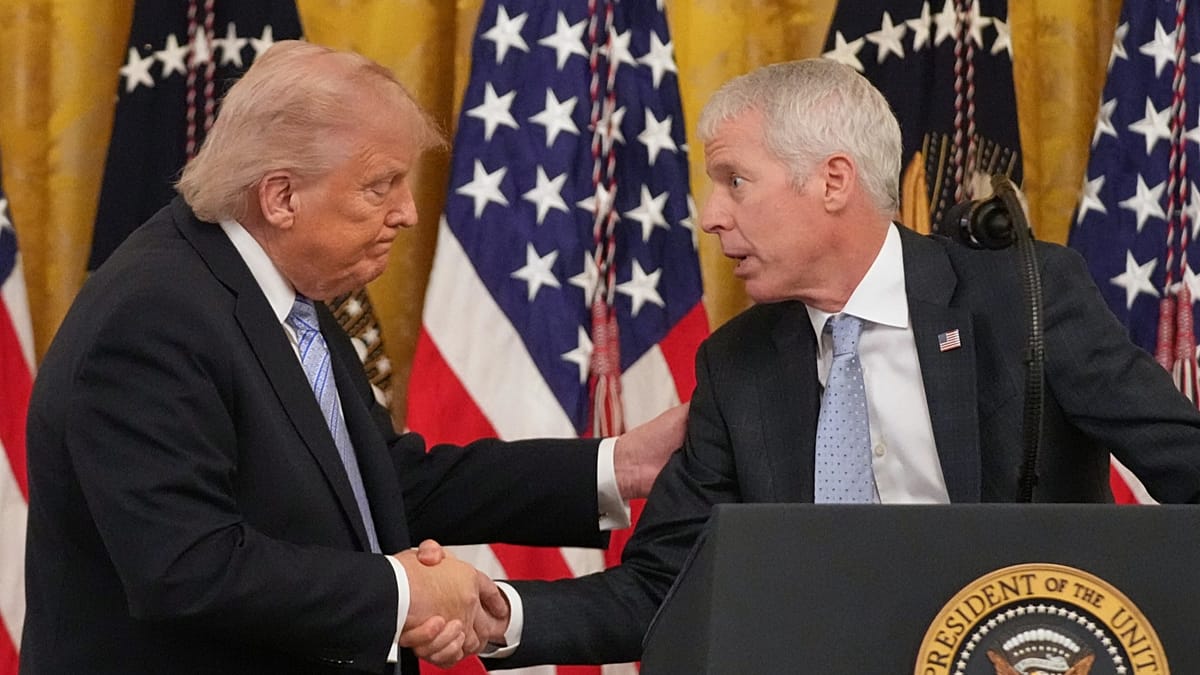
"The investigation confirms the existence of unfair practice, which is an important signal," said Ludovic Piraux, President of Glass Fibre Europe. However, he immediately cautioned that the measures adopted "remain insufficient to fully address the predatory strategies pursued through these investments in third countries."
This is not an isolated case. The Commission has previously taken similar action against aluminium foil from Thailand and glass fibre from Türkiye. The pattern highlights a broader challenge for EU trade policy as it contends with the global footprint of Chinese industrial investment, which spans more than 150 countries.
A Decade-Long Struggle for European Producers
The conflict over glass fibre imports has been simmering for over a decade. Following an initial industry complaint, the EU first imposed anti-dumping duties on Chinese glass fibre in 2010. In response, Chinese producers simply moved parts of their supply chain, establishing new factories in nations like Bahrain and Egypt. From these hubs, exports to the European market resumed and have since grown substantially.
By 2024, imports from these three countries accounted for 24% of the EU's glass fibre market, with Egyptian imports alone reaching 18%. European manufacturers and unions have been lobbying Brussels for stronger action throughout this period, arguing that the survival of a strategically important industry is at stake. The sector directly employs more than 4,500 workers in the EU and supports hundreds of thousands of indirect jobs along complex value chains.
The warning from labour representatives is stark. Judith Kirton-Darling, General Secretary of industriAll Europe, stated that "in the longer term," the situation could deteriorate further without a tougher EU stance. "It is more than likely that we will face plant closures in Europe which will fundamentally undermine our industry," she said. This economic pressure comes as the EU grapples with broader energy security concerns, with the EU Energy Chief warning of prolonged price hikes from ongoing conflict, which further strains industrial competitiveness.
The Commission's action this week, first reported by Euronews in January, represents a clear attempt to close a specific loophole. Yet, it also underscores the difficulty of crafting trade defences that can keep pace with China's ability to redirect production through its global partnership network. The situation presents a particular policy dilemma for EU member states like Hungary, where the new government is charting a pragmatic course on Chinese investment, balancing economic ties with broader European strategic interests.
As the EU refines its defensive trade tools, the case of glass fibre serves as a critical test. It probes the bloc's capacity to protect its internal market and key industries from what it views as unfair competition, without resorting to protectionism that could disrupt global supply chains. The effectiveness of these new duties will be closely watched in industrial centres from Germany's Ruhr valley to manufacturing hubs in Central Europe, where the future of such foundational materials industries hangs in the balance.