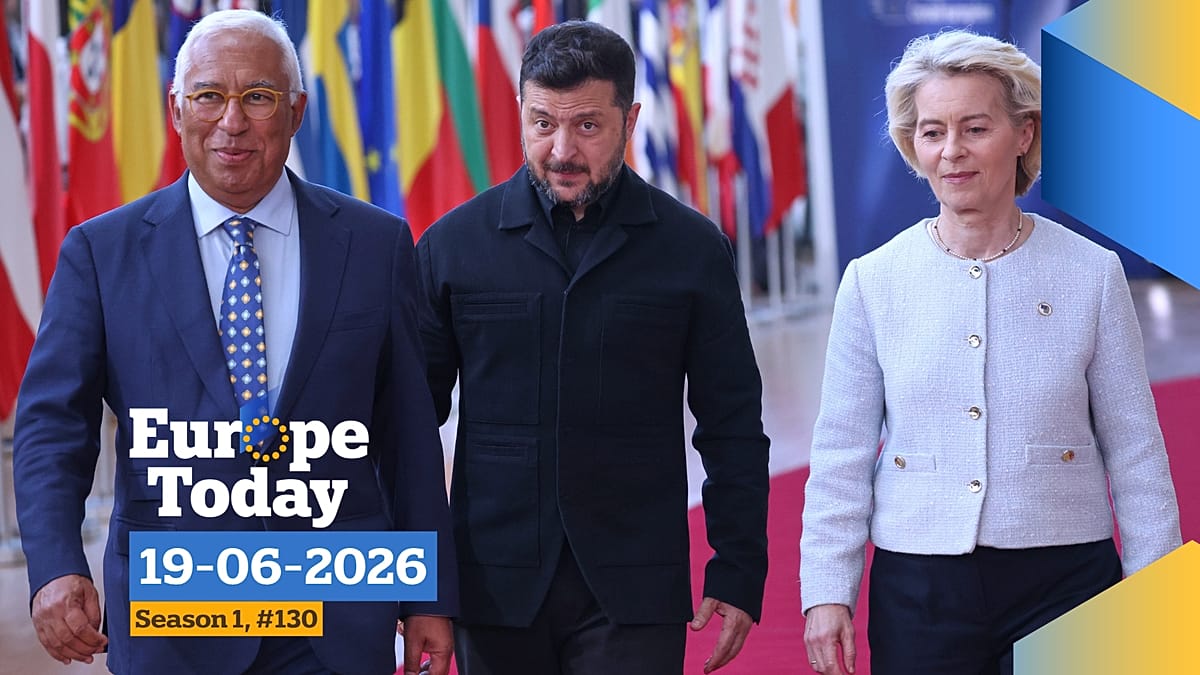
European Union leaders concluded a summit in Brussels on Friday, with discussions centering on Ukraine, continental security, and a surprise diplomatic overture to Moscow. European Council President António Costa confirmed he had opened a direct channel of communication with the Kremlin, a move that drew both cautious support and sharp criticism from member states.
Costa's Kremlin Contact: Pragmatism or Peril?
Costa's decision to establish a diplomatic line with Moscow comes as the war in Ukraine enters its third year with no end in sight. The Portuguese leader argued that maintaining open channels is essential for de-escalation and potential future negotiations. "Dialogue does not mean endorsement," Costa told reporters after the summit. "It is a tool for understanding red lines and exploring pathways to peace."
However, several Eastern European capitals expressed unease. Baltic and Polish officials warned that any normalization with the Kremlin risks undermining Ukraine's position. The move echoes earlier debates over whether EU engagement with Russia legitimizes its aggression. For a deeper analysis of this diplomatic calculus, see our piece on António Costa's Russia Contacts: A Diplomatic Necessity, Not a Scandal.
Zelenskyy Pushes for Fast-Track EU Membership
Ukrainian President Volodymyr Zelenskyy addressed the summit via video link, renewing his call for accelerated EU accession talks. "Every day of delay costs Ukrainian lives," he said, urging leaders to move beyond symbolic gestures. The European Commission has recommended opening formal negotiations, but unanimity among the 27 member states remains elusive. Hungary, under its new leadership, may prove pivotal.
Hungary's New Premier Signals Shift
Péter Magyar, who took over as Hungary's prime minister after Viktor Orbán's resignation, made his European Council debut in Brussels. In contrast to Orbán's frequent obstructionism, Magyar struck a conciliatory tone. "Hungary is a loyal member of the European family," he stated, adding that Budapest would support further sanctions against Russia and a clear path for Ukraine's membership. This marks a potential realignment in EU dynamics, though analysts caution that Magyar's domestic coalition remains fragile.
Sweden's Minister for European Union Affairs, Jessica Rosencrantz, welcomed the shift. "We need unity on Ukraine," she said in an interview. "Every member state must shoulder its responsibility." Rosencrantz also highlighted the growing economic pressure from China, urging the EU to diversify supply chains and reduce strategic dependencies.
Broader Geopolitical Context
The summit also touched on the stalled US-Iran framework agreement. A planned public signing ceremony in Switzerland was called off at the last minute, with negotiations entering a new, more opaque phase. Tomi Huhtanen, director of the Wilfried Martens Centre, warned that European leaders must prepare for a world where Washington's commitments are less reliable. "The EU cannot afford to be a bystander in its own security," he said.
Meanwhile, the FIFA World Cup group stage concluded with dramatic upsets, but the tournament's geopolitical undercurrents—including Russia's exclusion and Ukraine's symbolic participation—remained a talking point among diplomats.
As the EU navigates these multiple crises, the coming months will test whether Costa's diplomatic gambit can yield tangible results or merely deepen divisions. For now, the bloc is walking a tightrope between engagement and deterrence, with Ukraine's future hanging in the balance.