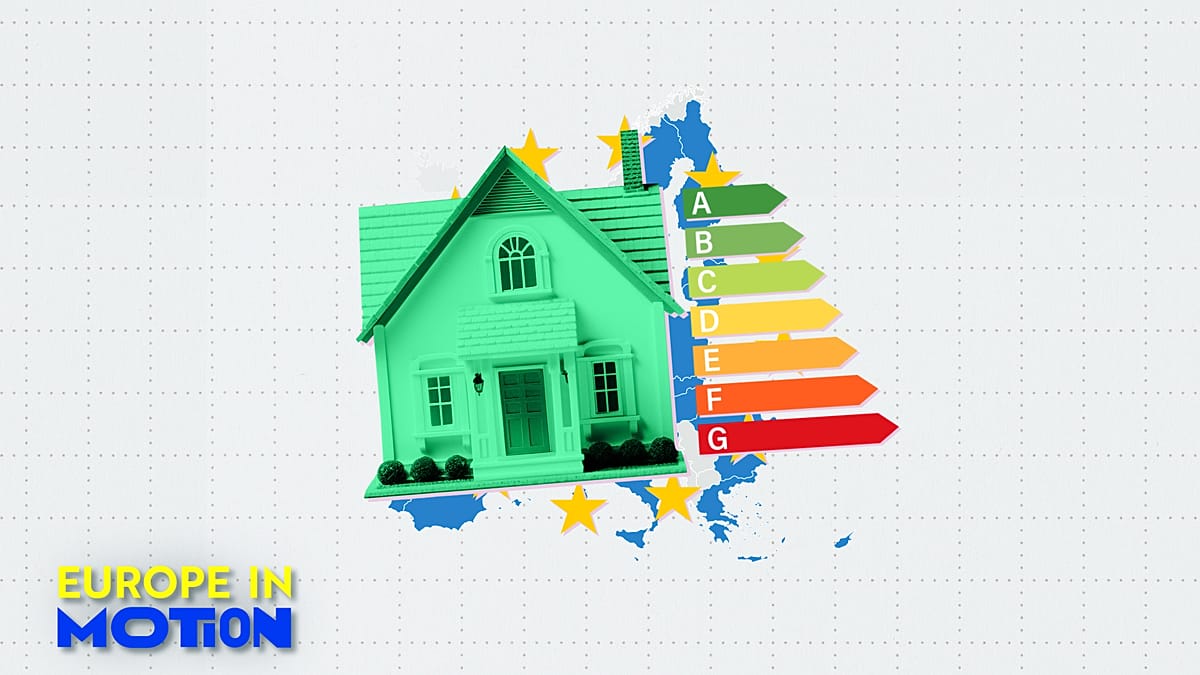
Brussels has taken the unusual step of launching an infringement procedure against every EU member state simultaneously for failing to fully transpose the Energy Performance of Buildings Directive (EPBD), commonly known as the Green Homes Directive, into national law. The deadline for implementation was 29 May 2026, and no country has yet met it.
The directive, which aims to put the bloc on a common trajectory toward net-zero emissions by 2050, mandates a comprehensive modernisation of Europe's building stock — the continent's largest single energy consumer. The infringement procedure, which begins with a formal letter of warning to each member state, does not mean progress is absent, but it underscores the gap between ambition and execution.
Wide disparities in renovation rates
According to Eurostat, roughly one in four EU citizens now lives in a building that is more energy-efficient than it was six years ago. However, national figures reveal stark contrasts. The Netherlands leads with 60.5% of buildings classified as more efficient compared to 2018, followed by Denmark (34%), France (33%), and Slovenia (33%). At the other end of the spectrum, Italy reports only 3% of buildings meeting that threshold, with Malta (8%) and Greece (9.5%) not far ahead.
Improving energy efficiency typically involves upgrading roof and window insulation to reduce heat loss, as well as replacing old gas and oil boilers with heat pumps or solar panels. The EU plans to phase out subsidies for fossil-fuel heating systems, but the transition has proven costly and politically sensitive.
“It's not a question of agreeing or not with the EU, but rather of numbers,” said Gilberto Pichetto Fratin, Italy's environment and energy security minister. “How can we intervene by 2033 and make a couple of pensioners spend €50,000 to bring their home to energy class B?”
Klara Geywitz, Germany's former housing minister from the centre-left SPD, echoed similar concerns, arguing that forcing homeowners to renovate or sell their properties to meet efficiency standards was not justifiable.
Eight countries submit renovation plans
Despite the legal setbacks, some member states have taken concrete steps. Eight countries — Belgium, Bulgaria, Croatia, Finland, Lithuania, Romania, Slovenia, and Spain — have submitted draft National Building Renovation Plans (NBRPs) to the European Commission. These plans outline renovation roadmaps for both residential and non-residential buildings, including targets for 2030, 2040, and 2050, as well as policies and investment assessments.
The Commission noted that unlike previous national strategies, the NBRPs follow a common EU template, enabling more consistent cross-country comparisons. Earlier strategies, it said, “lacked a harmonised structure, common indicators and binding milestones across the Union.” The final versions of the plans are due by 31 December 2026.
The slow pace of renovation has broader implications for Europe's energy security and climate goals. As the continent grapples with volatile energy prices — highlighted by the ongoing fallout from the war in Ukraine — improving building efficiency could reduce dependence on imported fossil fuels. For more on the intersection of energy and geopolitics, see our coverage of Germany and Azerbaijan's strategic energy pact.
Meanwhile, the cost-of-living crisis continues to strain household budgets. A recent analysis found that real wages remain below 2021 levels in one-third of European countries, making large-scale home renovations even more challenging for many families.
The road to 2050 remains long, and the infringement procedure is a reminder that the EU's green ambitions must contend with the financial and political realities of its 27 member states.