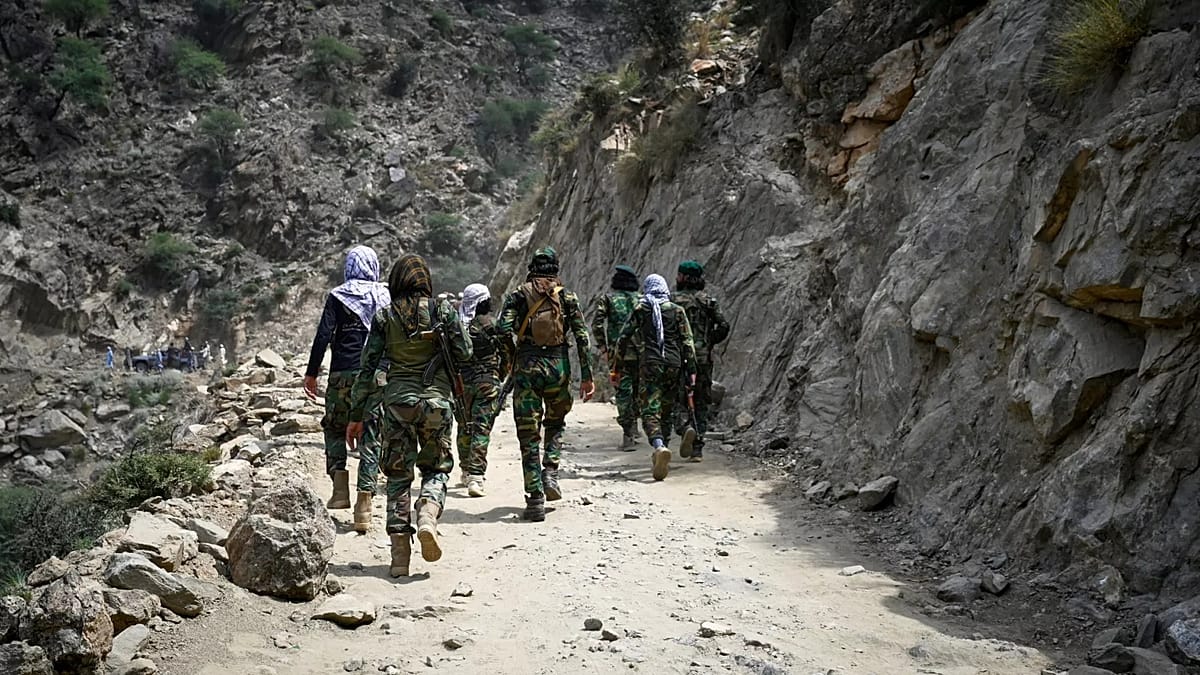
European Union Migration Commissioner Magnus Brunner has stated that the bloc has no alternative but to negotiate with the Taliban government regarding the return of failed asylum-seekers to Afghanistan. Speaking to journalists in Brussels on Thursday, Brunner defended a planned meeting between EU officials and Taliban representatives, despite widespread criticism that such engagement contradicts the bloc's stated values.
"It's no option not to talk to these people in order to improve the situation," Brunner said, emphasizing that dialogue does not equate to formal recognition of the Taliban regime. The European Commission has invited Taliban officials for discussions as part of a broader push to curb irregular migration and increase deportation rates, even though no EU member state has recognized the Taliban administration since it seized power in 2021.
Controversy Over Engagement
The proposed meeting has already sparked uproar in Brussels. European governments closed their embassies in Kabul after the Taliban's return to power, which brought with it a strict interpretation of Islamic law. Women are now required to be almost entirely covered in public, banned from parks and gyms, and girls' education stops at age 12. Rights groups have questioned the legality and ethics of returning migrants to a country facing a severe humanitarian crisis, with millions enduring hunger and economic hardship, according to the United Nations.
Brunner countered that the talks are in Europe's best interest and reflect the wishes of many member states. "It is important to talk to them at least to improve the situation for Europeans, but also for asylum applicants, for asylum-seekers," he added. The Belgian government confirmed that the Commission had provided names of expected Taliban delegates for security vetting, but no visa applications have been submitted yet, and no date has been set for the meeting.
Migration Pressures and Public Opinion
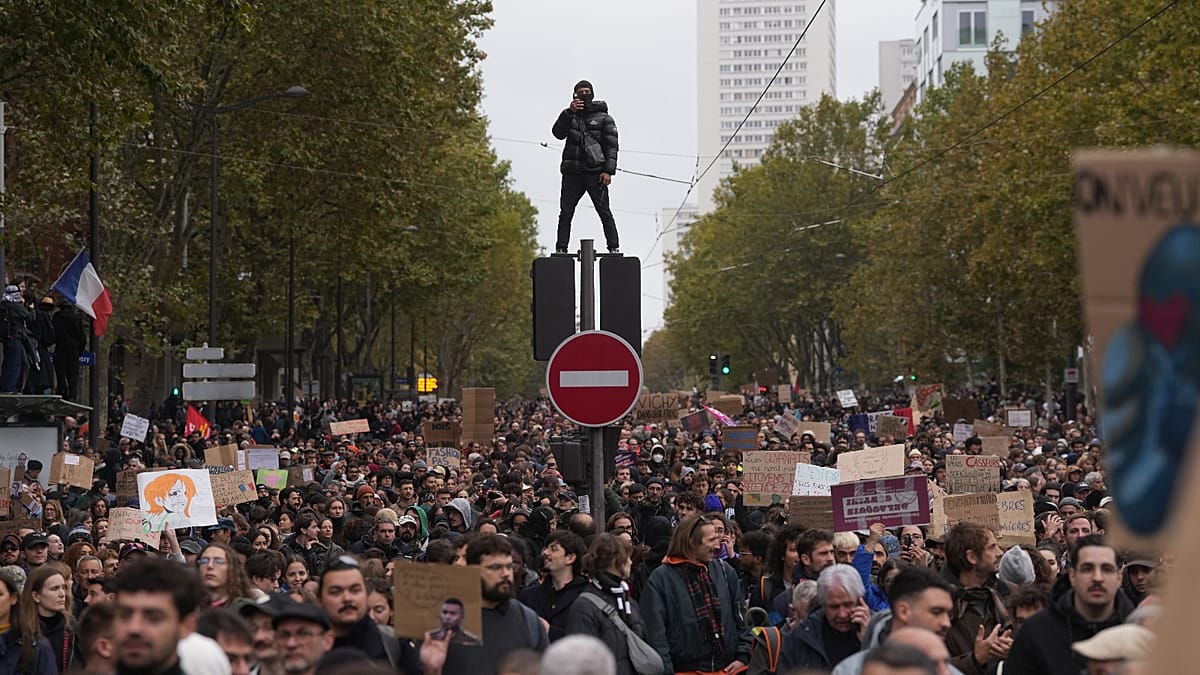
European governments have adopted a tougher stance on migration as public opinion has hardened, fueling far-right electoral gains across the continent. With migrant arrivals declining, the focus in Brussels has shifted to improving repatriation systems. According to EU data, member states received approximately one million asylum applications from Afghans between 2013 and 2024, with about half approved. Last year, around 20 of the 27 EU member states expressed interest in returning migrants without legal status—particularly those with criminal convictions—to Afghanistan.
This development comes amid broader debates about Europe's migration policies. The EU Migration Pact has taken effect, though enforcement doubts and member state reluctance persist. Critics argue that engaging the Taliban on returns undermines the bloc's commitment to human rights, while supporters see it as a pragmatic step to address domestic pressures. The contradiction between Europe's labour shortages and its migration crackdown has also been highlighted in recent analyses, such as Europe's Labour Shortages and Migration Crackdown: A Contradiction at the Core.
Brunner's remarks underscore the EU's difficult position: balancing the need for effective migration management with the ethical implications of cooperating with a regime widely condemned for its human rights abuses. As the bloc moves forward, the outcome of these talks could set a precedent for how Europe engages with non-recognized governments on migration issues.