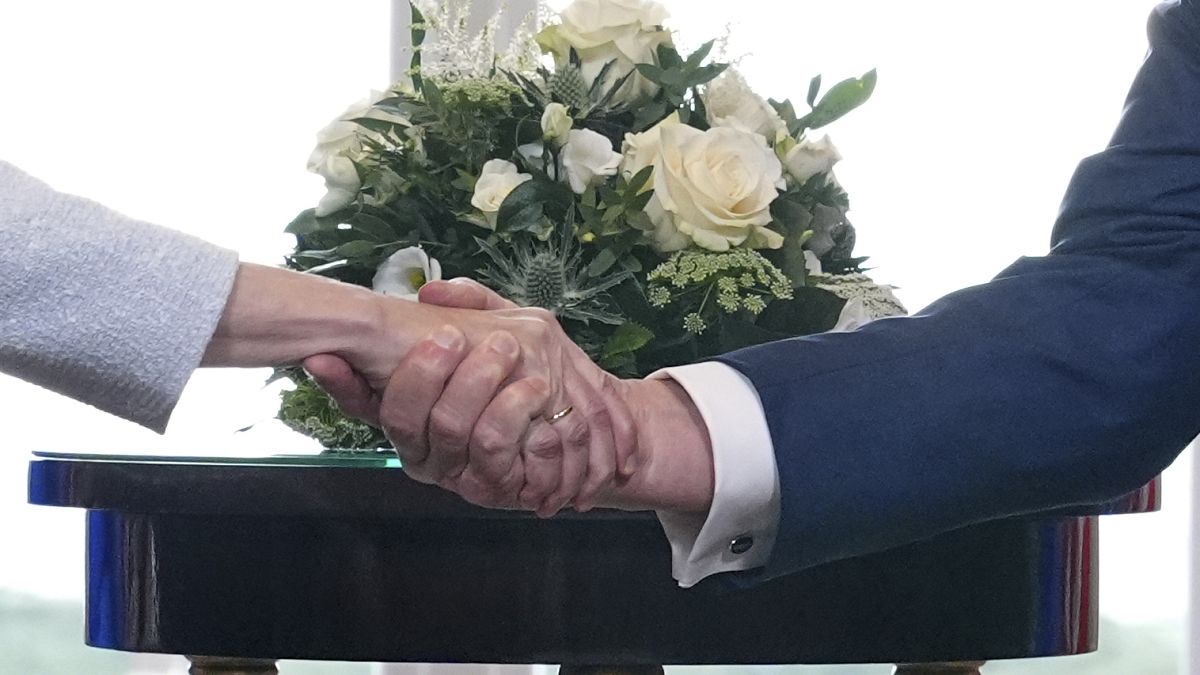
Late on Tuesday, European diplomats and members of the European Parliament reached an agreement to implement the contentious EU-US trade deal known as the Turnberry Agreement. The pact, which eliminates duties on most US industrial goods imported into Europe, was originally signed last summer by European Commission President Ursula von der Leyen and US President Donald Trump in Turnberry, Scotland.
The agreement comes after weeks of uncertainty, triggered by Trump's threat to impose 25% tariffs on EU cars unless the bloc implemented the deal by 4 July. That ultimatum, issued two weeks ago, targeted Germany in particular, as Chancellor Friedrich Merz has been a vocal critic of the US-led military campaign in Iran.
A Fragile Compromise
MEPs had frozen the deal for several weeks following Trump's earlier threats over Greenland and after the US adopted new tariffs following a Supreme Court ruling that declared illegal the tariffs imposed by the White House since Trump's return to power. Lawmakers demanded clarity from Washington before agreeing to negotiate with the EU Cyprus presidency, which represents member states. The European Commission eventually assured them that the US would cap its tariffs at 15%, as originally agreed.
Cyprus Trade Minister Michael Damianos, whose country holds the rotating EU presidency, said: "The EU and the United States share the world's largest and most integrated economic relationship. Maintaining a stable, predictable and balanced transatlantic partnership is in the interest of both sides. Today, the European Union delivers on its commitments."
However, the deal remains fragile. Many in Brussels worry that the US administration could still use tariffs as a tool of political pressure if the EU does not comply with White House demands on other issues. The ongoing disagreements over Ukraine, NATO, and the Strait of Hormuz continue to strain relations.
Trump has repeatedly called on European countries to deploy ships to help secure the Strait of Hormuz, a move Europeans have been reluctant to make. Meanwhile, the recent US extension of a sanctions waiver allowing purchases of Russian oil has further complicated the transatlantic dynamic, as has Trump's repeated threats to leave NATO.
On Tuesday night, MEPs attempted to secure the deal by attaching conditions, risking US anger with additional provisions to which Washington had not agreed. The move underscores the deep mistrust that persists between the two sides, even as they move forward with implementation.
The Turnberry Agreement has been criticized by MEPs as unbalanced, as it raises US tariffs on EU goods to as much as 15%. Some lawmakers have warned of a "perfect storm" for EU jobs if the deal fails to deliver on its promises.
Despite the tensions, the EU is pressing ahead, hoping that the agreement can provide a foundation for a more stable economic relationship. Yet the broader context of transatlantic relations remains uncertain, with both sides navigating a complex landscape of trade, security, and geopolitical rivalries.