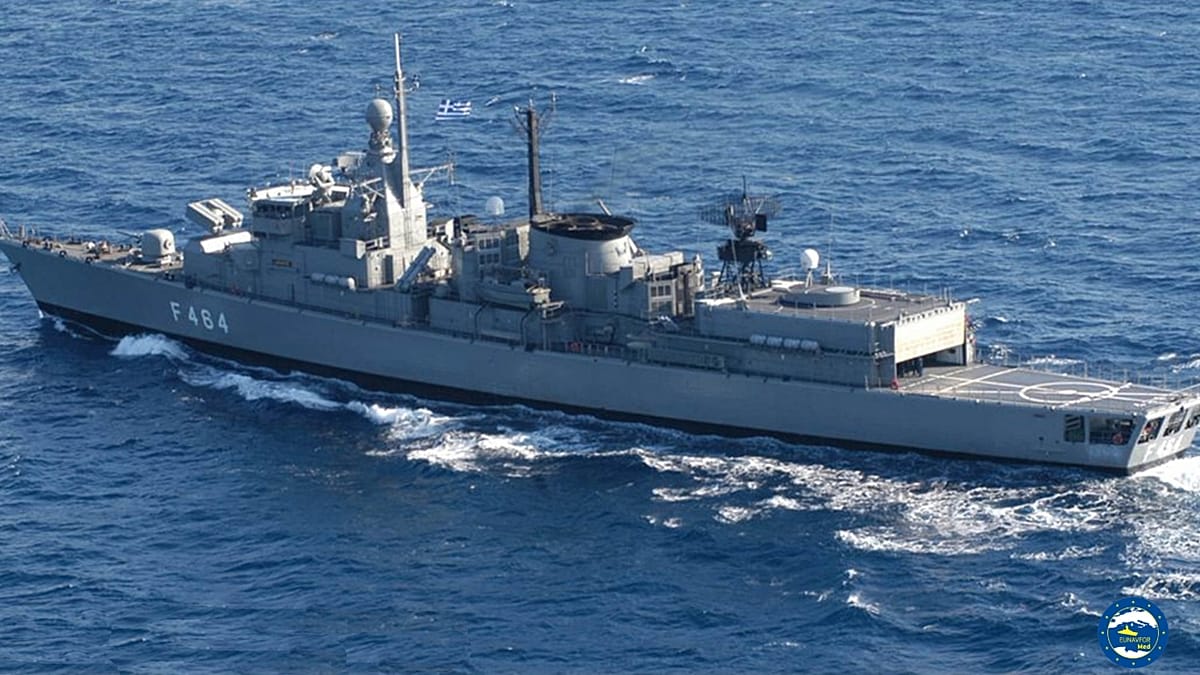
European Union naval forces have boarded a tanker suspected of being part of Russia's shadow fleet in the Mediterranean, according to the bloc's foreign policy chief, Kaja Kallas. The operation, carried out under the EU's Operation Irini, took place on Friday and targeted the MV Midag, a vessel that Kallas said was confirmed to be sailing under a false flag.
In a social media post on Sunday, Kallas stated: "The EU will keep disrupting Russia's shadow fleet at sea and through diplomatic means." She added that EU foreign ministers were set to approve new sanctions against Russia on Monday, targeting "banks, buyers and companies supporting the shadow fleet." Images shared by Kallas appeared to show the boarding operation.
The shadow fleet is a network of aging tankers that Russia uses to circumvent Western sanctions on its oil industry. These vessels often employ complex ownership structures, flags of convenience, and other tactics to conceal the origin of their cargo, allowing Moscow to continue exporting oil despite restrictions imposed by the EU, the US, and other allies.
Operation Irini's expanding role
Operation Irini was launched in March 2020 with a mandate to enforce the United Nations arms embargo on Libya, a legacy of the Second Libyan Civil War. Its original tasks included countering illegal arms trafficking, gathering intelligence on oil smuggling, disrupting human smuggling networks, and training Libyan law enforcement and search-and-rescue institutions.
In October, the EU extended Operation Irini's mandate until 31 March 2029, broadening its objectives to include safeguarding the EU's interests in the Mediterranean and continuing to contribute to peace and stability in Libya. The mission has increasingly turned its attention to the shadow fleet, which poses risks not only to sanctions enforcement but also to maritime safety and the environment.
This week's boarding of the MV Midag is not an isolated incident. In August, Operation Irini forces conducted a flag verification boarding of the MV Sun oil tanker, and earlier that month they targeted the MV Toa Payoh. These actions reflect a more assertive EU posture in the Mediterranean, as Brussels seeks to choke off revenue streams that fund Russia's war in Ukraine.
The timing of the operation is significant. EU foreign ministers are meeting in Brussels to finalize a new sanctions package aimed at tightening the noose on Russia's energy exports. The proposed measures would target financial institutions, buyers, and companies that facilitate the shadow fleet's activities, according to Kallas.
Analysts note that the shadow fleet has become a critical lifeline for Moscow, allowing it to sell crude oil and refined products to buyers in Asia, the Middle East, and elsewhere at prices above the Western-imposed cap. By boarding and inspecting vessels, the EU hopes to expose the deceptive practices that underpin these operations.
The Mediterranean has emerged as a key transit route for shadow fleet tankers, many of which load cargo at Russian ports in the Baltic and Black Seas before heading to international markets. The EU's naval presence in the region, combined with diplomatic pressure on flag states and port authorities, is part of a broader strategy to raise the costs of evasion.
Kallas's announcement comes amid heightened tensions between the EU and Russia, with the bloc also grappling with issues such as rising imports of Russian Arctic LNG ahead of a looming ban. The new sanctions are expected to be formally adopted later this week, though their implementation will require careful coordination among member states.
While Operation Irini's primary mandate remains Libya, its expanded role in countering the shadow fleet underscores the EU's determination to protect its economic security and uphold international law. As Kallas put it, the bloc will continue to act "at sea and through diplomatic means" to disrupt Russia's sanctions-busting efforts.