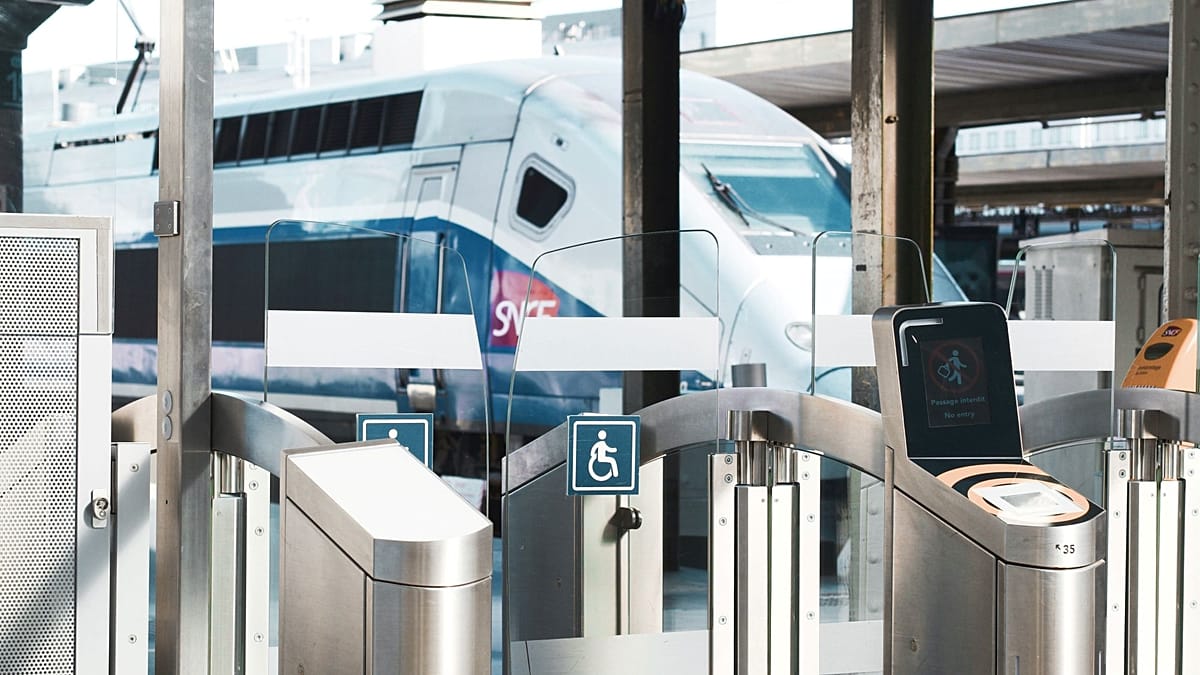
The European Commission has unveiled a comprehensive passenger package aimed at simplifying cross-border rail travel across the European Union. The proposal, announced by Commissioner for Sustainable Transport and Tourism Apostolos Tzitzikostas, seeks to enable travellers to purchase a single ticket covering journeys operated by multiple railway companies, a move that could significantly reduce the fragmentation of Europe's rail network.
"Freedom of movement is one of Europe's greatest achievements," Tzitzikostas said in a statement. "Today, we are taking it a step further by making travel across all 27 Member States simpler, smarter and more passenger friendly." The commissioner emphasised that digital tools and integrated mobility services would allow Europeans to "plan, compare and purchase multimodal journeys across borders" with a single click.
Enhanced Passenger Rights and Compensation
Under the new rules, passengers will be entitled to compensation if they miss a connection, even when the services are operated by different railway companies. This addresses a long-standing frustration for travellers crossing borders, where a delay on one operator's train could lead to a missed connection with another, often without recourse. The proposal guarantees re-routing to the final destination at no extra cost, and compensation for overall delays.
Additionally, passengers will receive assistance, including meals and accommodation, if an overnight stay becomes necessary due to a missed connection. This mirrors protections already in place for air travel but extends them to the rail sector, which has historically lagged in cross-border coordination.
The Commission also targets transparency in online ticket platforms. Any platform holding more than 50% market share must display all available options, including those from competitors. Currently, the market "lacks transparency," according to the Commission, and the new rules aim to help new operators distribute their tickets more effectively. Railway operators will also be required to make tickets available for sale online at least five months in advance.
These changes come as Europe grapples with broader transport challenges, including shifts in energy consumption that affect rail infrastructure investments. The proposal aligns with the EU's Green Deal goals, encouraging a modal shift from air and road to rail, which is significantly less carbon-intensive.
Next Steps for the Legislation
The European Commission will now submit the proposed regulations to the Council of the European Union and the European Parliament for examination and approval. According to the European Council, approximately 85% of laws are adopted at the end of the first reading or beginning of the second, suggesting a relatively smooth path forward. However, negotiations could be protracted, particularly around technical standards for ticketing systems and data sharing among operators.
The package is part of a broader effort to integrate Europe's transport networks, which have long been hampered by national borders and incompatible systems. While the proposal focuses on rail, it also touches on multimodal journeys, potentially linking trains with buses, ferries, and other modes. This could benefit regions like the Balkans, where rail connectivity remains limited, and countries such as Switzerland and Norway, which are not EU members but participate in some transport agreements.
Critics note that the success of the plan depends on implementation. For instance, smaller operators in countries like Greece or Bulgaria may struggle with the costs of digital integration. Meanwhile, espionage concerns in Vienna highlight the geopolitical complexities that can affect cross-border infrastructure projects. Nonetheless, the proposal represents a significant step toward a seamless European rail network, where a single ticket can take a passenger from Lisbon to Tallinn without hassle.
For travellers, the immediate impact will be felt in improved booking experiences and stronger protections. As the legislation moves through the EU institutions, stakeholders will watch closely to see how it addresses the practical challenges of connecting Europe's diverse rail systems.