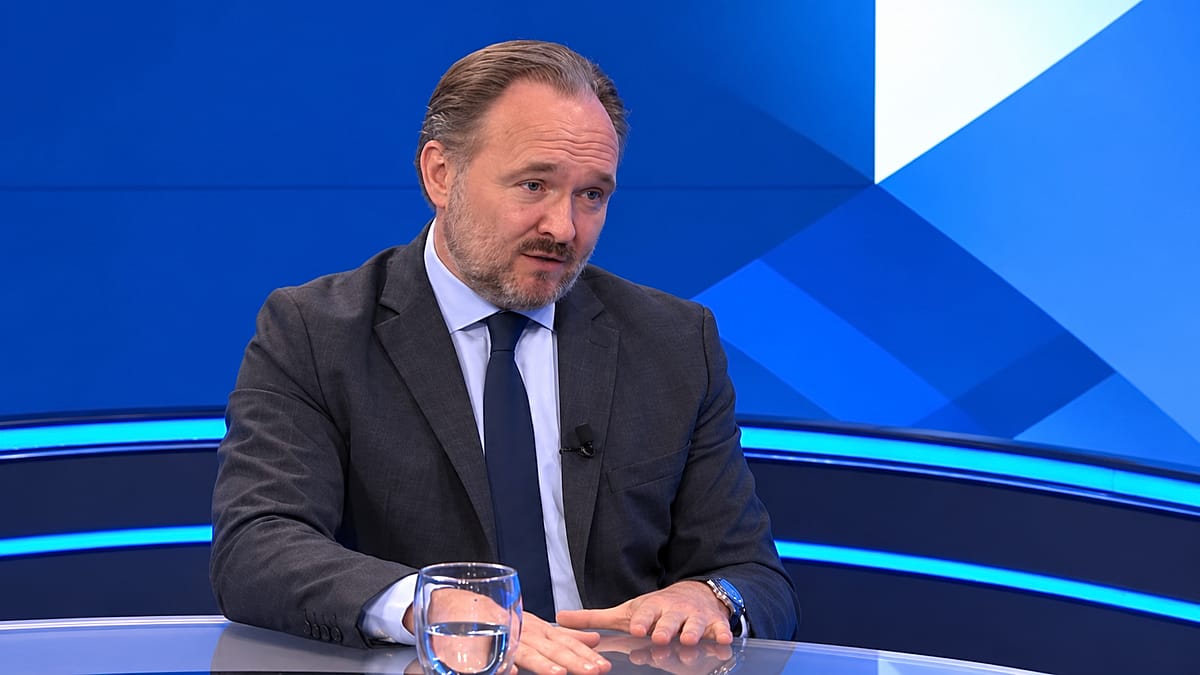
Energy Commissioner Dan Jørgensen has welcomed a provisional deal between the European Parliament and the Council that would slash approval times for renewable energy and grid infrastructure projects. Speaking to Euronews' Europe Tonight, he described the agreement as a crucial advance in Europe's push to electrify its economy and move away from imported fossil fuels.
The deal, struck on Wednesday, aims to cut permitting procedures from five to ten years down to just six months for most projects. Jørgensen argued that lengthy administrative processes have been one of the biggest obstacles to building the infrastructure needed for a cleaner energy system.
"This is about making sure that we have the infrastructure to actually electrify our societies, to get the renewable energy into our systems so that we can drive our cars on electricity, we can have heat pumps and so forth," he said.
Financing the grid remains a sticking point
While the permitting deal is seen as a step forward, critics point out that faster approvals do not automatically translate into lower electricity bills. The expansion of Europe's power grid will still require significant investment, and the question of who pays remains unresolved.
EU member states are now examining the proposal, and divisions have already emerged. Sweden has pushed back against the plan, arguing that it could redirect money paid by Swedish consumers and grid operators to fund electricity networks elsewhere in the bloc, rather than benefiting Stockholm.
Jørgensen, however, framed electrification as a new climate doctrine. He argued that expanding renewables, improving energy efficiency, and connecting national electricity markets would ultimately bring down costs for consumers.
"The main way of bringing down prices is to deploy more renewables, because renewables are cheaper than the fossil alternative," he said.
He also noted that Europe already saves more than €30 billion annually thanks to cross-border electricity connections, and that the potential for further savings is much greater.
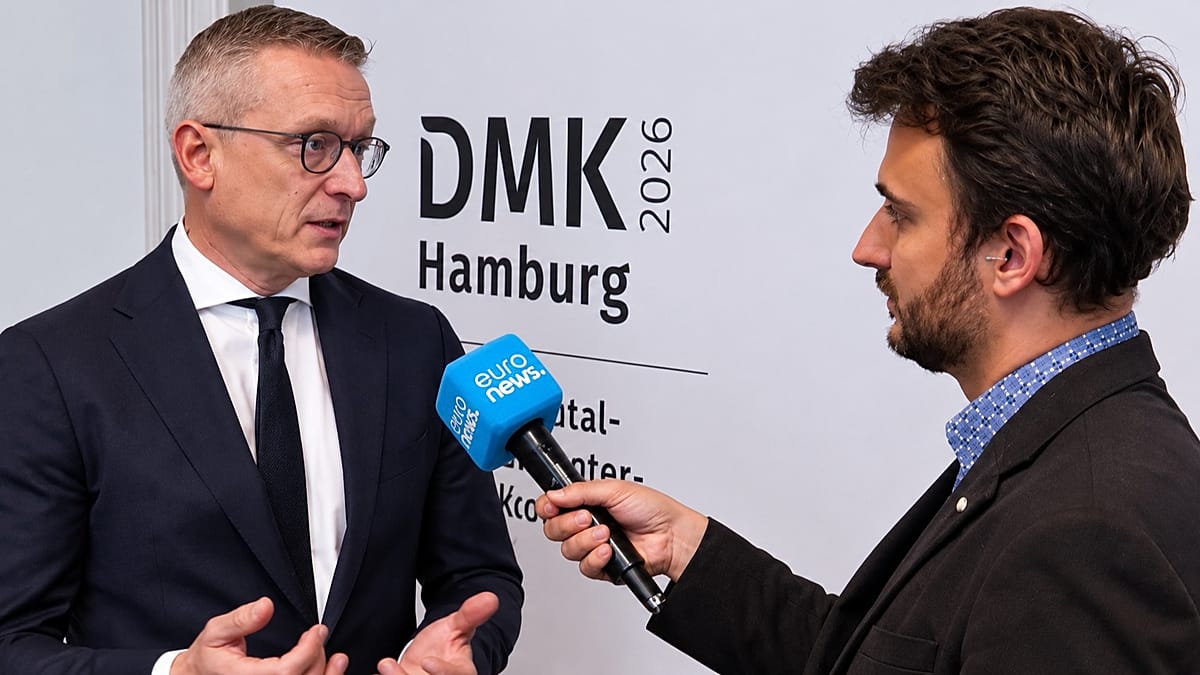
Danish MEP Niels Fuglsang, who is leading the file in the Parliament, called the agreement a "very important step." He said it would allow for faster rollout of renewables and grid infrastructure, benefiting citizens, helping mitigate climate change, and boosting the EU's competitiveness.
A difficult winter ahead
Despite the optimism in Brussels, the longer-term electrification strategy is unfolding against an immediate energy security challenge. The permitting deal will not ease energy prices in the short term, and Jørgensen warned that Europeans should not expect a quick return to normal price levels.
With tensions in the Middle East threatening supplies and markets, the Commissioner said: "We don't even know if they will come down. What we do know is that it's a very unstable winter that we are going into... We also know that even if there's a normalisation of the situation, it'll take months for the prices to normalise."
The warning suggests Brussels is bracing for another winter in which households and businesses face sustained pressure from energy costs. It also reinforces the political argument for reducing dependence on imported oil and gas.
Jørgensen urged consumers to switch from gas and oil boilers to heat pumps, replace combustion-engine cars with electric vehicles, and improve home insulation. He also pointed to the broader economic stakes, echoing the EU climate chief's view that electrification is Europe's competitive edge in the global race against China.
As Europe navigates this volatile winter, the push for faster electrification is not just an environmental goal but a strategic necessity. The coming months will test whether the bloc can turn its permitting ambitions into tangible infrastructure on the ground.