The European Commission has moved to quell fears that the thousands of migrants who surged into the Spanish enclave of Ceuta this week could travel freely across Europe. In a statement on Friday, EU officials insisted that no irregular migrants have moved from Ceuta to the European mainland, and that those who crossed the border without authorisation will not be able to do so.
"There are no onward movements today towards the European continent," an EU official said, directly countering suggestions from some right-of-centre figures across Europe that migrants could easily disperse throughout the Schengen area.
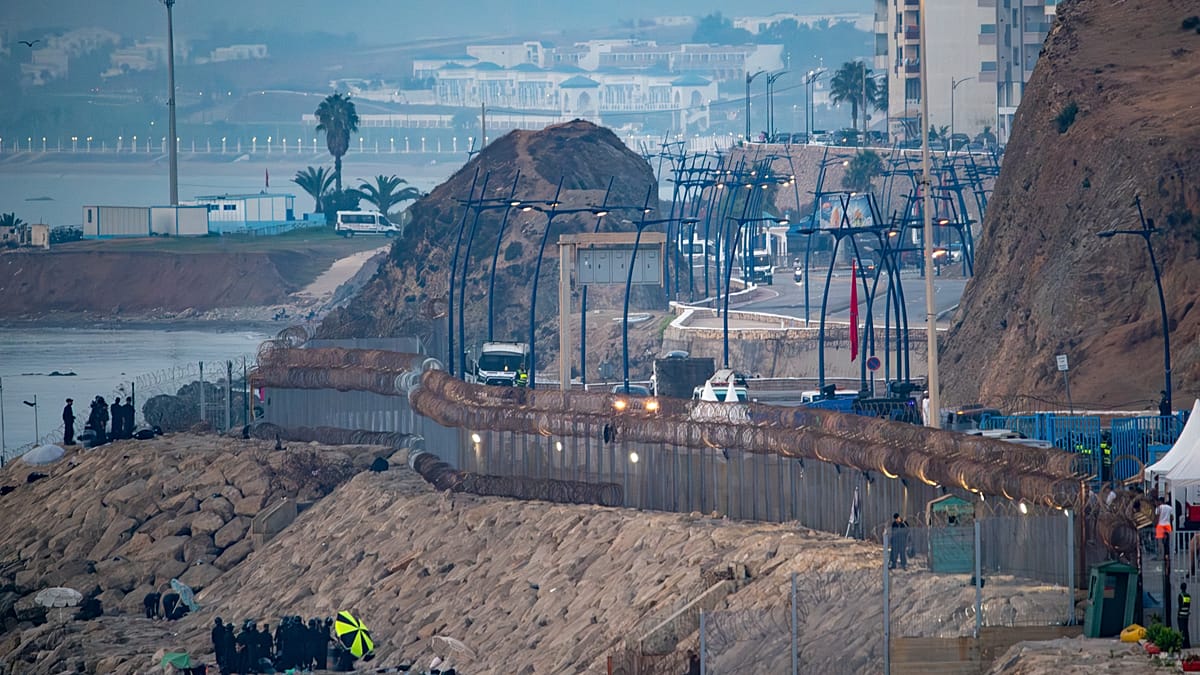
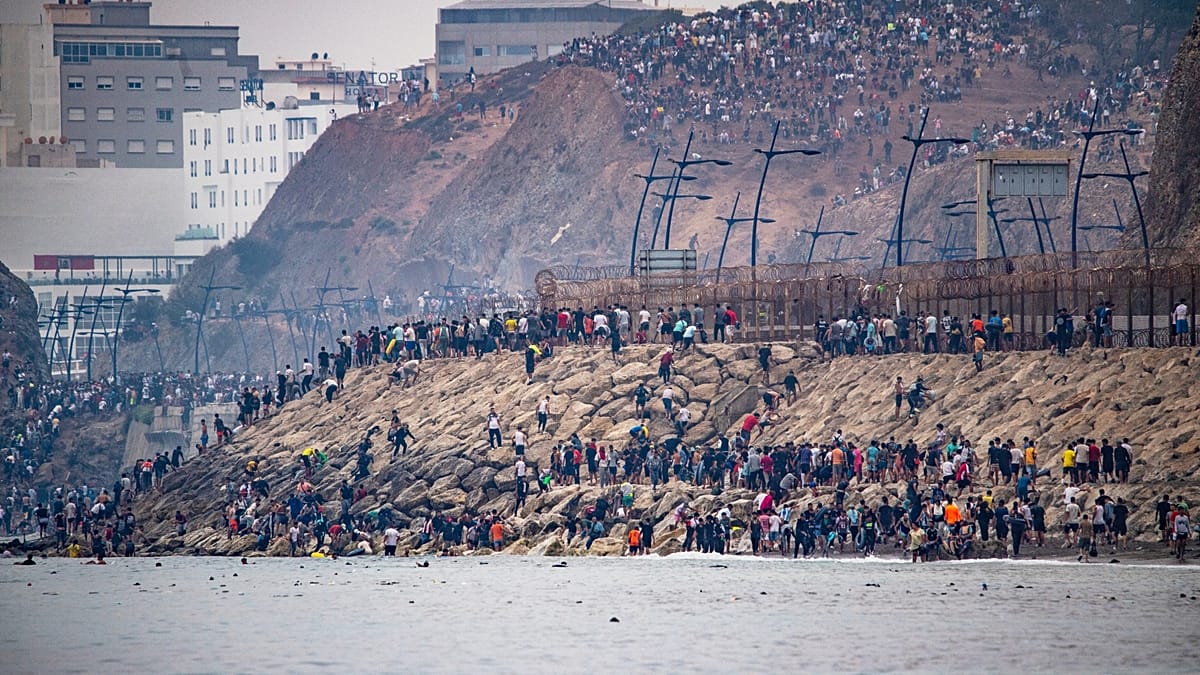
The crisis began on Thursday when an estimated 60,000 people, mostly Moroccans, stormed the border into Ceuta, a Spanish territory on the North African coast. It was the largest single surge of irregular arrivals ever recorded on EU territory, and it has triggered a political firestorm. Rather than expressing solidarity, several EU member states—including Italy, Finland, and Denmark—accused Spanish Prime Minister Pedro Sánchez of failing to adequately protect the bloc's external borders.
Schengen rules and Ceuta's special status
Ceuta, along with its sister enclave Melilla, holds a unique position within the Schengen area. Although they are Spanish territory, they are treated as the EU's external border for the purposes of free movement. "Checks on people leaving Ceuta and Melilla remain in place under the Schengen system. For this purpose, they are treated as the EU's external border," a European Commission official explained.
This means that the usual Schengen rules—which allow passport-free travel across most of the continent—do not apply to those leaving the enclaves. Only EU citizens, holders of valid residence permits, and travellers meeting legal entry conditions can move freely. Irregular migrants cannot board ferries or flights to mainland Spain without first undergoing identity checks, making it extremely difficult for them to leave Ceuta.
For those who apply for asylum, an accelerated procedure that came into force last June allows for detention while their claims are processed. Pending a decision, applicants are not permitted to leave Spain and can be returned if found elsewhere in the EU. Only those granted international protection gain the right to move across the Schengen area.
However, Morocco is designated a "safe country of origin" under EU rules, and its citizens are in principle not eligible for protection. According to the EU Agency for Asylum, Moroccan asylum seekers have a recognition rate of just 6%, meaning the vast majority of those who crossed into Ceuta are expected to receive return orders to their country of origin.
The political fallout has been intense. Right-wing leaders across Europe have seized on the crisis to criticise Spain's migration policies, with some calling for Madrid to be suspended from Schengen. The European Commission, however, has sought to downplay the wider risk, insisting that the situation is contained.
Spain, for its part, has moved quickly to respond. Madrid and Rabat have agreed on the urgent return of the latest migrants, and Spanish authorities have already sent thousands back to Morocco. The crisis has also exposed deeper tensions in North Africa, with rival narratives on sovereignty and migration playing out in the region.
As the situation stabilises, the EU's message is clear: the migrants in Ceuta will not be moving on. But the political damage may be lasting, as the episode has reignited debates about border security and solidarity within the bloc.