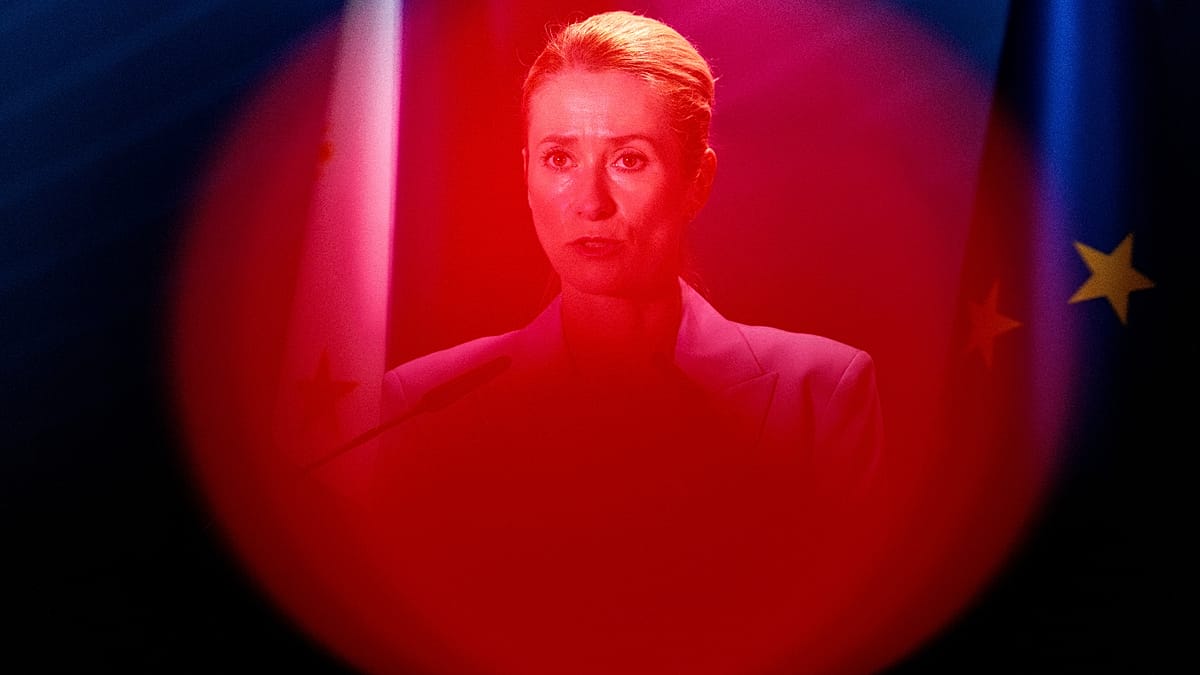
Just days after unveiling a high-level advisory group on European defence, EU foreign policy chief Kaja Kallas has been forced to abandon the initiative following strong objections from several member states. The abrupt reversal underscores the fragile political terrain on which the bloc's defence ambitions rest.
At an informal gathering of defence ministers in Ireland last week, Kallas, the EU's High Representative for Foreign Affairs and Security Policy, announced the creation of a new body that would bring together political and military leaders to help design a more effective European defence strategy. "The aim is to have some of the brightest minds on security and defence come together and really provide out-of-the-box solutions on how we can be faster in fulfilling these gaps and how we can be more effective," she told reporters at the time.
But by Sunday afternoon, invitees to the group's inaugural event—a fireside chat with Kallas scheduled for Monday at a cosy Brussels venue—received word that the meeting was cancelled. The initiative had been quietly shelved, according to multiple EU officials familiar with the matter.
The decision came after several member states voiced opposition, arguing that the group was the wrong path to pursue. Even though the advisory body was intended solely to provide recommendations, not to make decisions on behalf of governments, the pushback was enough to force its withdrawal.
"The diagnosis has not changed that Europe needs to deliver faster on defence. Europe still needs to confront the question the group was designed to address, how to strengthen European defence faster," an EU official told Euronews, speaking on condition of anonymity.
Internal tensions at the EEAS
The episode highlights the mounting pressure on the European External Action Service (EEAS), the EU's diplomatic arm. Commission President Ursula von der Leyen has increasingly sought to assert control over the bloc's foreign policy, clashing with Kallas on major issues such as relations with Israel. The latest Franco-German proposal would place the EEAS under the direct supervision of the Commission President, though it would also grant the High Representative a broader portfolio.
This institutional tug-of-war comes at a time when European defence is a top priority, with the war in Ukraine and growing security concerns across the continent. The bloc has been working on initiatives like the multibillion-euro package for Ukraine's air defence as Patriot stocks dwindle, and member states are grappling with how to bolster their own capabilities.
Some analysts see the scrapped advisory group as a missed opportunity. "The idea of bringing in external expertise to challenge conventional thinking on defence is not new, but it requires political buy-in," said Sophia Besch, a defence expert at the Centre for European Reform. "Without that, any such initiative is doomed."
The episode also reflects broader tensions between the EU institutions and national capitals. While many member states agree on the need to strengthen European defence, they are wary of initiatives that might bypass their own decision-making processes. The Finnish civil defence drill and the arson attack on defence firms in Munich are reminders of the security challenges Europe faces, but the political path to a common response remains fraught.
For now, the EEAS is left to regroup. The question of how to accelerate European defence integration remains open, and the failure of this initiative may prompt a more cautious approach in the future. As one diplomat put it, "We need to find ways to move forward that all member states can support."