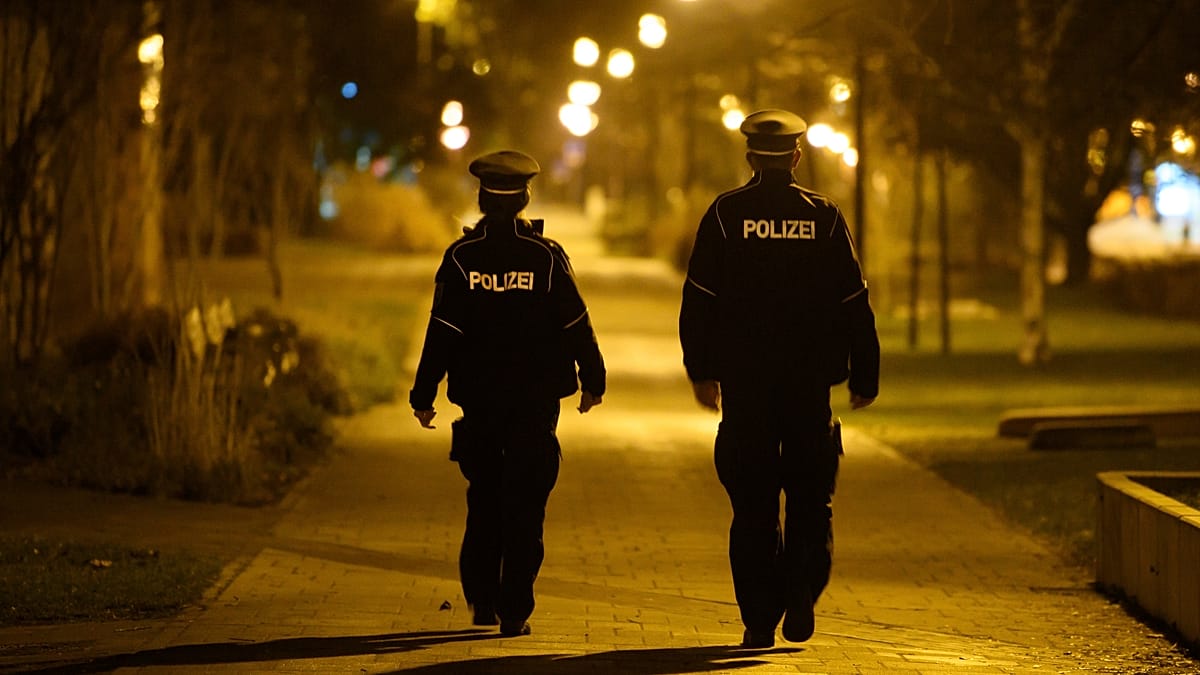
Munich police have arrested a 38-year-old man and a 28-year-old woman after an apparent arson attack on the premises of two defence technology companies in the Bavarian capital. The incident occurred late on Tuesday night, when several incendiary devices were thrown from a moving car at a building site on the street where both firms have facilities.
According to investigators, two of the devices ignited, while a third failed to detonate. A witness alerted authorities shortly after midnight, and responding officers were able to extinguish the resulting fire quickly. No significant damage was reported, and no injuries have been confirmed.
Suspects identified as Bulgarian nationals
The two suspects, a man and a woman, were taken into custody shortly after the attack. German public broadcaster Bayerischer Rundfunk reported that both are Bulgarian nationals. Police have not yet released further details about their identities or possible motives.
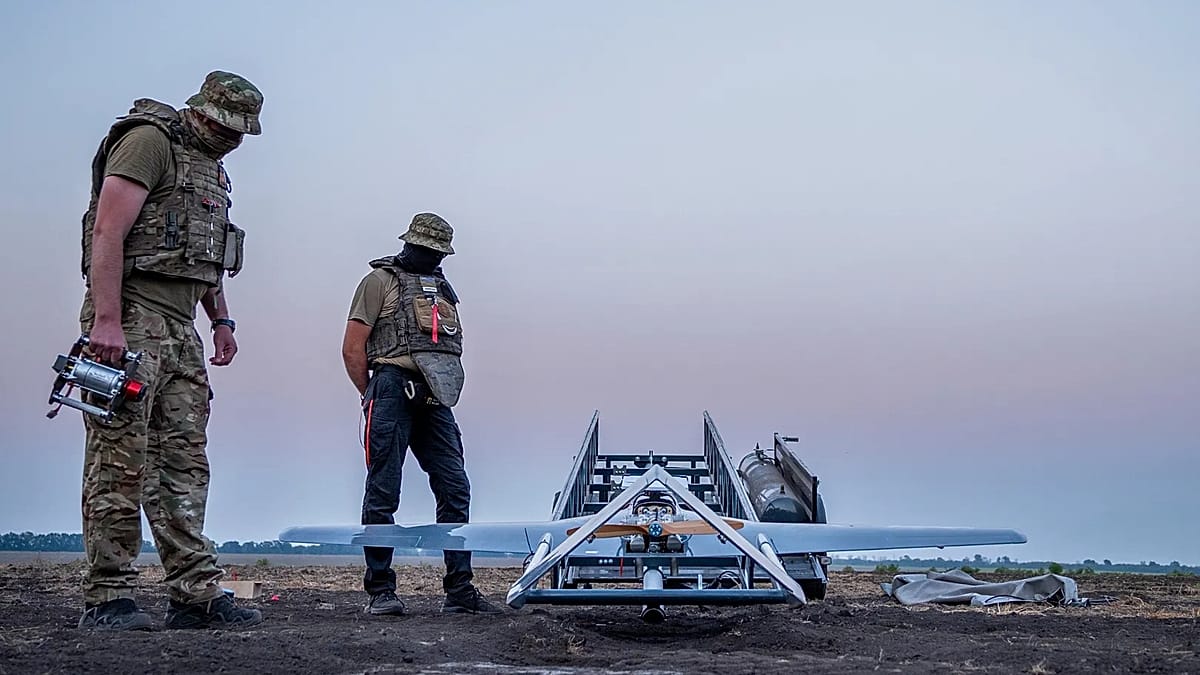
The targeted companies are Rohde & Schwarz, a Munich-based technology group that produces security and communications equipment for public authorities and the military, and Helsing, a German manufacturer of military drones. Both firms are prominent players in Europe's growing defence sector, which has seen increased investment and scrutiny amid heightened security concerns on the continent.
The attack comes at a time when European governments are grappling with a rise in hybrid threats, including sabotage and espionage, often attributed to Russian actors. In recent weeks, several European countries have reported suspicious incidents near military and industrial sites. For instance, Berlin has accused Moscow of a drone attack on Leipzig airport, and European nations have been uniting against such hybrid attacks. However, investigators have not yet established any link between Tuesday's incident and broader patterns of sabotage.
The attack also highlights the growing importance of defence technology companies in Germany and across Europe. As governments increase military spending, firms like Rohde & Schwarz and Helsing have become key suppliers. This has made them potential targets for actors opposed to European defence cooperation.
Local authorities have launched an investigation into the incident, focusing on the suspects' backgrounds and any possible connections to extremist groups or foreign intelligence services. The public prosecutor's office in Munich is leading the case.
The incident has drawn attention to the security of defence-related infrastructure in Germany. In recent months, there have been several reports of suspicious activities near military bases and arms factories. Finland recently conducted its largest civil defence drill since World War II, reflecting the heightened alert across the continent.
While the motive for the Munich attack remains unclear, it underscores the challenges European countries face in protecting their defence industrial base. The EU is preparing a multibillion-euro package for Ukraine's air defence, and any disruption to European defence production could have wider implications.
Police have appealed for witnesses to come forward and are reviewing surveillance footage from the area. The suspects are expected to appear before a magistrate in the coming days.