European foreign ministers have closed ranks behind Germany after Berlin formally accused Moscow of orchestrating a drone attack at Leipzig airport last month, vowing to withstand what they describe as a surge in Russian hybrid warfare across the continent.
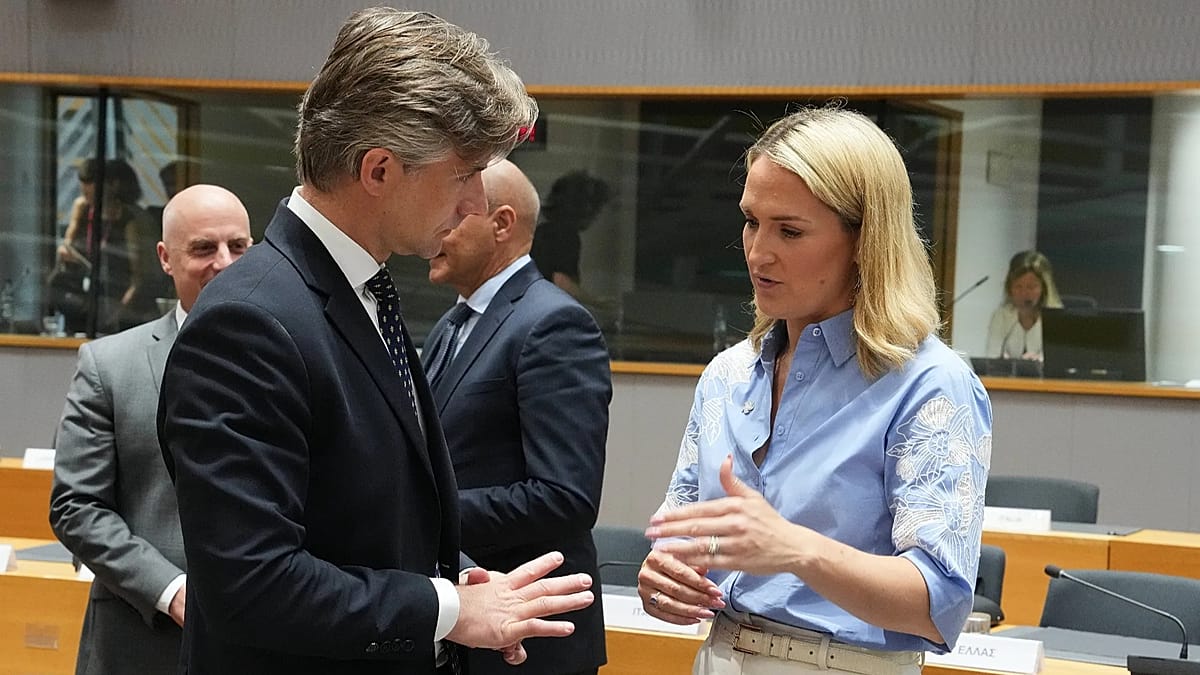
The show of solidarity came at an informal EU foreign affairs summit in Wicklow, Ireland, where ministers from Ukraine, Canada, Switzerland and the United Kingdom also took part. The meeting, known as the Gymnich format, was dominated by discussions on how to counter a growing pattern of sabotage, cyberattacks and other destabilising operations attributed to Russian intelligence services.
Leipzig incident sharpens focus
On 4 August, German authorities intercepted a drone carrying military-grade explosives near Leipzig/Halle Airport. Berlin has since been unequivocal in blaming the Kremlin for the incursion, a step German Foreign Minister Johann Wadephul described as part of a "long series of destabilisation operations" against Europe.
"The means used – such as the drone configuration, components, explosives and detonation systems – are known to us from other hybrid operations by Russia," Wadephul told reporters at the summit.
The incident has intensified concerns that Russia is escalating its campaign of covert actions against European infrastructure and public life, a trend that has been pushing Europe toward a tougher response in recent months.
British Foreign Secretary Ed Miliband drew on his country's own experience of Russian attacks, citing the attempted chemical assassination of former Russian intelligence officer Sergei Skripal in Salisbury in 2018. "We stand in full solidarity with Germany and Ukraine," Miliband said. "We know from the past from Russian attacks on our soil these attempts to divide us will not work, but this is a dangerous sign of attempt by Russia to divide us and to think they can send a chilling effect on European countries when it comes to their invasion of Ukraine."
Lithuanian Foreign Minister Kestutis Budrys said Russia appeared to be increasing the frequency and intensity of its hybrid operations. "We see they are expanding and quadrupled attacks against us in the last year," he said. "Our goal is to show these activities won't intimidate us or stop us supporting Ukraine."
The meeting also touched on proposals to use immobilised Russian sovereign assets to fund Ukraine's war effort, an idea backed by Sweden, Spain, Poland and the Netherlands. Finnish Foreign Minister Elina Valtonen stressed the urgency of supporting Ukraine ahead of winter, when energy infrastructure is likely to come under renewed pressure.
The gathering in Wicklow follows a series of incidents across Europe, from undersea cable damage in the Baltic Sea to arson attacks on logistics hubs in Germany and the UK. EU defence ministers have already convened to address the growing threat, and NATO has stepped up coordination with national authorities.
Canada's participation in the talks underscored the transatlantic dimension of the response. Ottawa has been seeking closer ties with Brussels, though full membership remains off the table. The presence of Canadian and UK ministers signalled that the fight against hybrid warfare is not confined to the EU's 27 member states.
Diplomats in Wicklow said the goal was not just to condemn Russia but to build a more resilient European response, including better intelligence sharing, faster attribution mechanisms and stronger protection for critical infrastructure. As one EU official put it, the aim is to make the cost of hybrid attacks prohibitively high for Moscow.
The summit concluded with a joint statement reaffirming support for Ukraine and vowing to counter Russian interference. Whether that unity translates into concrete action will be tested in the coming months, as European governments face pressure to harden their defences without escalating tensions further.