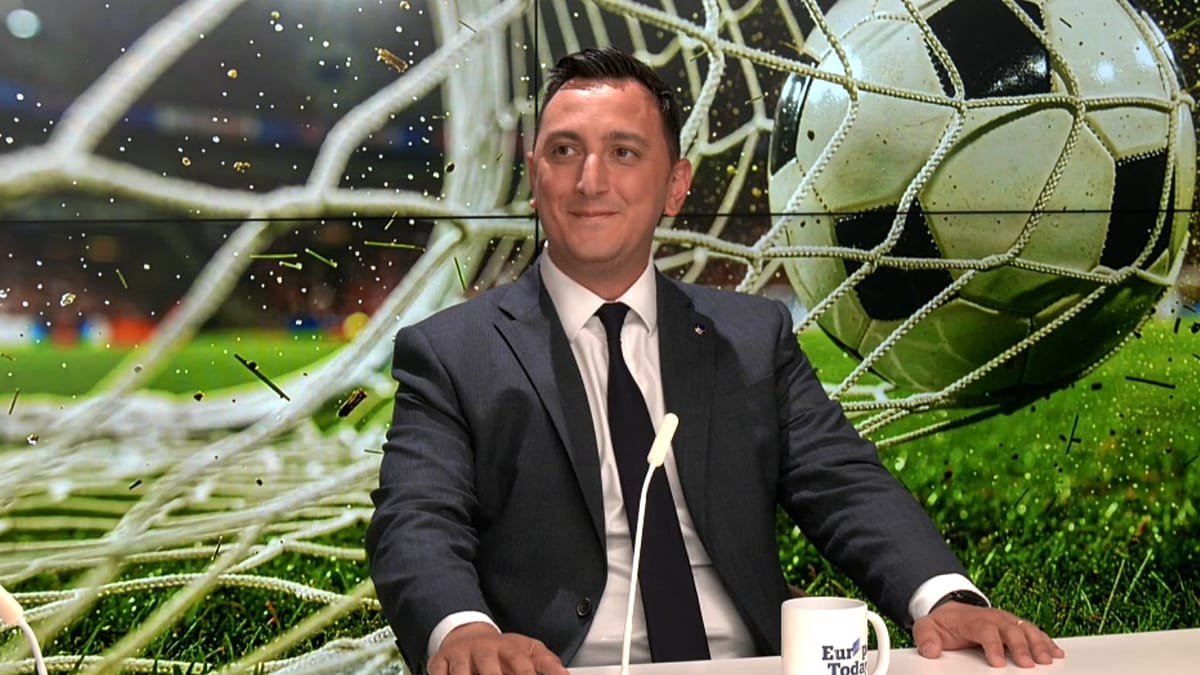
As the 2026 FIFA World Cup kicks off in Mexico City this Thursday, the tournament has already been overshadowed by a visa dispute that has drawn in the European Union’s top sports official. Glenn Micallef, the European Commissioner for Sport, told Euronews’ Europe Today that decisions on who may enter a host country rest solely with the host nation, even as a Somali referee was barred from the United States.
“Decisions on who has access are for the host countries to make,” Micallef said, responding to the case of Omar Atan, a Somali referee detained at Miami International Airport this week and denied entry over what US authorities called “vetting concerns.” Atan will not officiate any matches in the tournament, which runs across 16 cities in the United States, Canada, and Mexico.
The incident has reignited debate over US travel restrictions affecting World Cup participants and fans. The European Commission has previously raised concerns about visa policies that could hinder the free movement of sports officials and supporters. Micallef, however, avoided direct criticism of Washington, instead emphasizing the unifying power of sport. “You always have controversies around major sporting events. But my hope is that we focus on sport, football and the joy it brings,” he said.
FIFA’s Ties with Trump and the Peace Prize Controversy
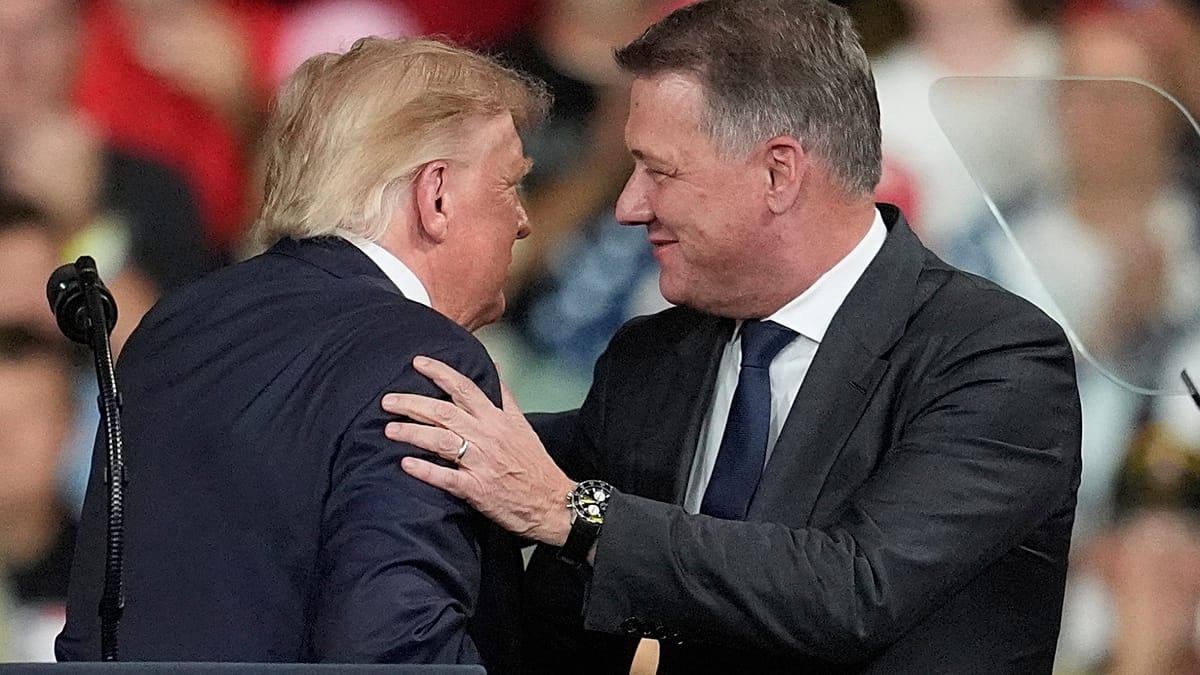
The row comes amid close relations between FIFA President Gianni Infantino and US President Donald Trump. Infantino awarded Trump the newly created “FIFA Peace Prize: Football Unites the World” — a title that did not exist before the US became a co-host under Trump’s administration. Critics argue the move politicizes the sport, but Micallef declined to comment on the prize, instead reiterating that “football should be accessible to everyone.”
When asked about calls for a boycott of the tournament, Micallef pushed back. “Sabotaging games will not solve anything. We should not deprive fans of the opportunity to follow their favourite teams,” he said. The tournament, he added, will be remembered “for the excitement of football, for the joy and passion it brings on the pitch, but also for the millions of fans around the world who, in difficult times, come together in squares, bars and cafés to support their teams.”
Iran’s Participation and Geopolitical Tensions
The World Cup also unfolds against a backdrop of heightened Middle East tensions. Hours before the opening match, the United States launched strikes against Iranian targets as part of Operation Epic Fury, escalating pressure on Tehran to reopen the Strait of Hormuz. Iran, one of the 48 participating nations, had previously floated the possibility of withdrawing from the tournament. Reports suggested the Trump administration discussed replacing Iran with Italy — which failed to qualify — but both Rome and Micallef rejected the idea.
“It’s good that they can participate in the tournament. They qualified on merit and should be there,” Micallef said. Iran will play all three group-stage matches in the United States but has reportedly based itself in Mexico due to visa and security concerns. Should both Iran and the United States advance, they could meet in the knockout stages. “Football is about bringing people and countries together,” the Commissioner added.
The 2026 World Cup is the largest in history, with 48 teams and 104 matches. Bookmakers list France and Spain as tournament favourites. For European fans, the event also raises questions about travel and security, particularly as the US continues to enforce strict entry rules. The European Commission has previously urged member states to ensure their citizens are aware of visa requirements for the US, especially amid broader debates over transatlantic mobility.
Micallef declined to offer a personal prediction for the tournament winner, but stressed that the focus should remain on the sport itself. As the matches begin, the EU will be watching closely — not just for the football, but for the political and diplomatic signals that the world’s biggest sporting event sends.