An EU committee composed of experts from the twenty-seven member states voted on Tuesday to prohibit imports of Brazilian meat starting 3 September. The decision stems from Brazil's use of antimicrobials to stimulate animal growth, which violates EU food safety standards.
The move removes Brazil from the list of third countries deemed compliant with EU restrictions on antimicrobial use in food-producing animals. According to an official familiar with the file, the vote was unanimous, making Brazil the first nation to be struck from that list.
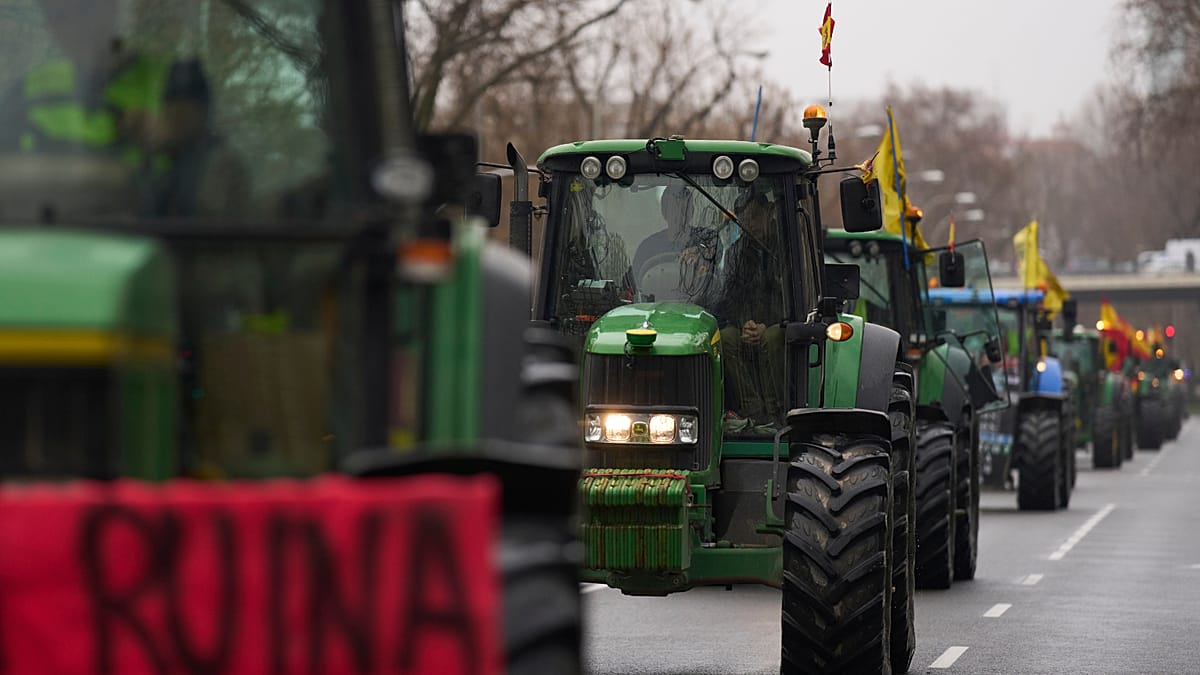
The timing is notable: the ban arrives just two weeks after the EU-Mercosur free trade agreement provisionally entered into force on 1 May. That deal, which liberalises agricultural trade between the EU and Brazil, Argentina, Paraguay, and Uruguay, has faced fierce opposition from European farmers. They argue that differing production standards create unfair competition from Latin American imports.
Enforcing EU Standards
“The fact that the Union is able to enforce the rules is essential for trust, a level playing field, and good relations with our trading partners,” an EU diplomat told Euronews. The European Commission has consistently insisted that EU food safety rules will apply to all imports, regardless of trade agreements.
Commission spokesperson Eva Hrncirova confirmed that from 3 September, Brazil will no longer be able to export bovine, equine, poultry, eggs, aquaculture, honey, and casings to the EU. “Trade agreements do not change our rules,” she said. “The Commission establishes the Union’s mandatory sanitary and phytosanitary standards, and both our farmers and exporters from third countries have to comply with them.”
The formal adoption of the updated list of compliant third countries is expected in the coming days. Brussels has also negotiated safeguards to protect EU farmers, including mechanisms to monitor potential market disruption from a surge in Mercosur imports. Quotas have been introduced for sensitive products such as poultry and meat.
This development underscores the tension between trade liberalisation and regulatory standards, a theme that has also emerged in other EU trade disputes. For instance, Poland recently took the EU-Mercosur deal to the European Court of Justice, arguing it undermines local agriculture. Meanwhile, the EU has been navigating similar challenges with the United States, as seen in the Socialists' blocking of a fast-track EU-US trade deal.
The ban is likely to intensify debate over the EU-Mercosur agreement, which remains deeply controversial among farmers in France, Poland, and elsewhere. Critics contend that the deal's environmental and health provisions are insufficient, while supporters point to the ban as evidence that EU standards remain non-negotiable.
For now, Brazilian exporters face a significant disruption, as the EU is a major market for their meat products. The decision also sends a signal to other Mercosur members that compliance with EU rules is a prerequisite for continued access.