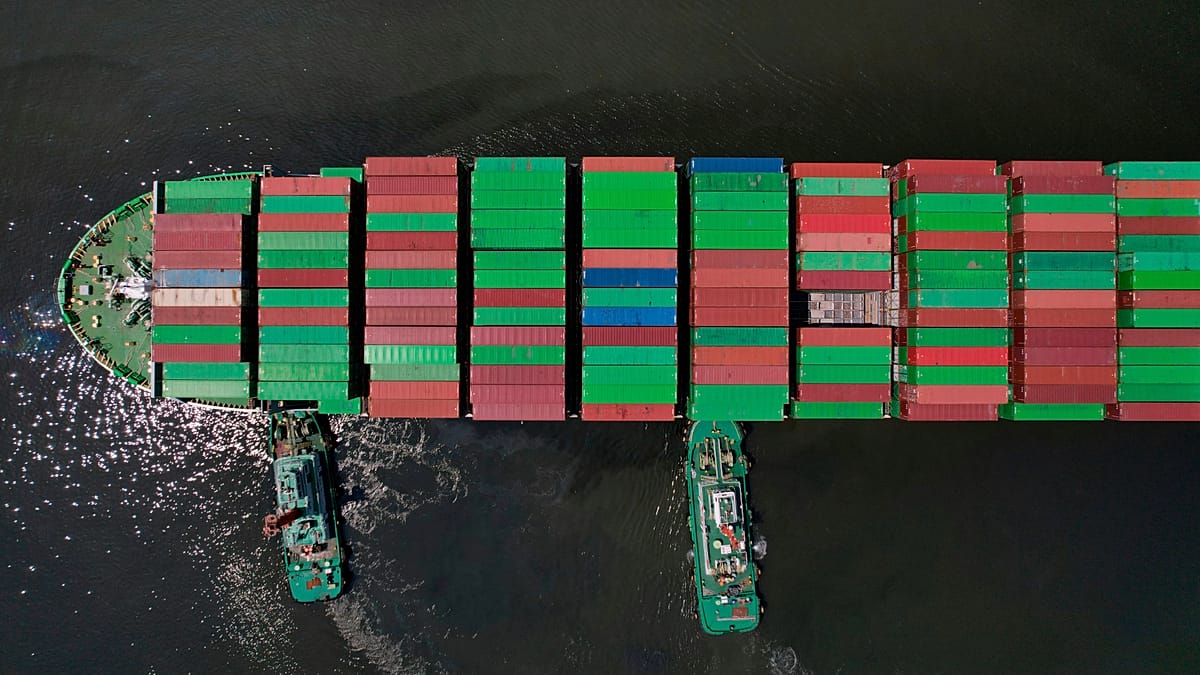
The ongoing conflict with Iran and the effective closure of the Strait of Hormuz are sending shockwaves through global maritime trade. The shipping industry, which relies on a thick, low-grade petroleum product known as bunker fuel, is now facing acute shortages and rapidly rising costs that threaten to ripple through supply chains and raise prices for consumers worldwide.
Bunker fuel is a heavy, sludge-like residue from crude oil refining, far dirtier than the fuels used in cars or aircraft. Despite its poor environmental profile, it powers the vast majority of the world's cargo ships—vessels that carry roughly 80% of all goods traded internationally by sea. The disruption of supplies from key producers in the Middle East, particularly Iraq and Kuwait, has created a bottleneck that is first being felt in Asia.
Singapore at the Epicentre
Singapore, the world's largest bunker fuel refuelling hub, is seeing prices climb steeply. Before the conflict erupted on 28 February, a metric tonne of bunker fuel cost around $500. By early May, that figure had surged past $800. Natalia Katona, an analyst at the commodity site OilPrice, described the trend as relentless: “We just see the price in Singapore going up, up, up.”
While supplies in the city-state have so far remained stable, the prolonged cutoff from heavier crude sources is expected to cause genuine shortages. The impact is already visible in other parts of Southeast Asia, where governments have adopted what some describe as “energy triage”—increasing coal use, buying more Russian crude, and reviving nuclear power plans. United Nations data show that more than half of global seaborne trade passed through Asian ports in 2024, meaning disruption there will inevitably have wider consequences.
Costs Passed to Consumers
For now, shipping companies are absorbing much of the higher fuel costs, but that is unlikely to last. June Goh, an oil analyst at Sparta Commodities, warned that firms could soon “pass on to the customers.” According to the European Federation for Transport and Environment, the Iran war is costing the global shipping industry approximately €340 million per day.
Oliver Miloschewsky of risk consultancy Aon noted that bunker fuel shortages typically affect shipping prices relatively quickly. While the impact on any single product may seem small, he explained, the combined effect “can ripple across supply chains and ultimately influence consumer prices across a broad range of sectors.” In Singapore, ferry operators have already raised fares, and cruise companies have added fuel surcharges.
European consumers are not immune. The disruption adds to existing inflationary pressures, as seen in the surge in potato futures and the broader energy shock that has driven Shell’s profits higher.
Limited Options for Ship Operators
Shipping companies have few levers to pull. They can pay more for fuel, slow their vessels, or cancel voyages altogether. Industry data from Clarksons Research shows that the average speed of bulk carriers and container ships has already dropped by about 2% globally since the war began. Some firms are also investing in ships capable of using alternative fuels.
Håkan Agnevall, CEO of marine technology manufacturer Wärtsilä, said the high prices are driving renewed interest in greener fuels. The technology to produce lower-emitting fuels exists, he noted, but production is not yet at scale, and greener alternatives remain more expensive. The current conflict, he argued, could encourage governments and companies to accelerate the transition, as higher fossil fuel prices make alternatives more commercially viable.
The Caravel Group, which owns ship management company Fleet Management Limited, is overseeing more than 120 shipbuilding projects. Its CEO, Angad Banga, told the Associated Press that roughly one-third of the vessels currently under construction for the company will be “dual fuel capable,” meaning they can run on both bunker fuel and alternatives such as liquefied natural gas (LNG). Banga said ship owners are willing to pay a premium for flexibility because “in a volatile environment, optionality has a measurable economic value.”
However, he acknowledged that alternative fuel systems still lack the infrastructure and flexibility of conventional bunker fuel. Although more than 890 LNG-powered vessels are operating worldwide, limited refuelling facilities create bottlenecks. Still, Banga sees progress: “That progress is real.”
The crisis also highlights the broader energy vulnerabilities facing Europe. While the continent has diversified its energy sources since the war in Ukraine, the shipping fuel shortage underscores how dependent global trade remains on a handful of chokepoints. As European policymakers debate everything from deregulation to trade deals, the cost of moving goods by sea is a reminder that no country is insulated from geopolitical shocks.