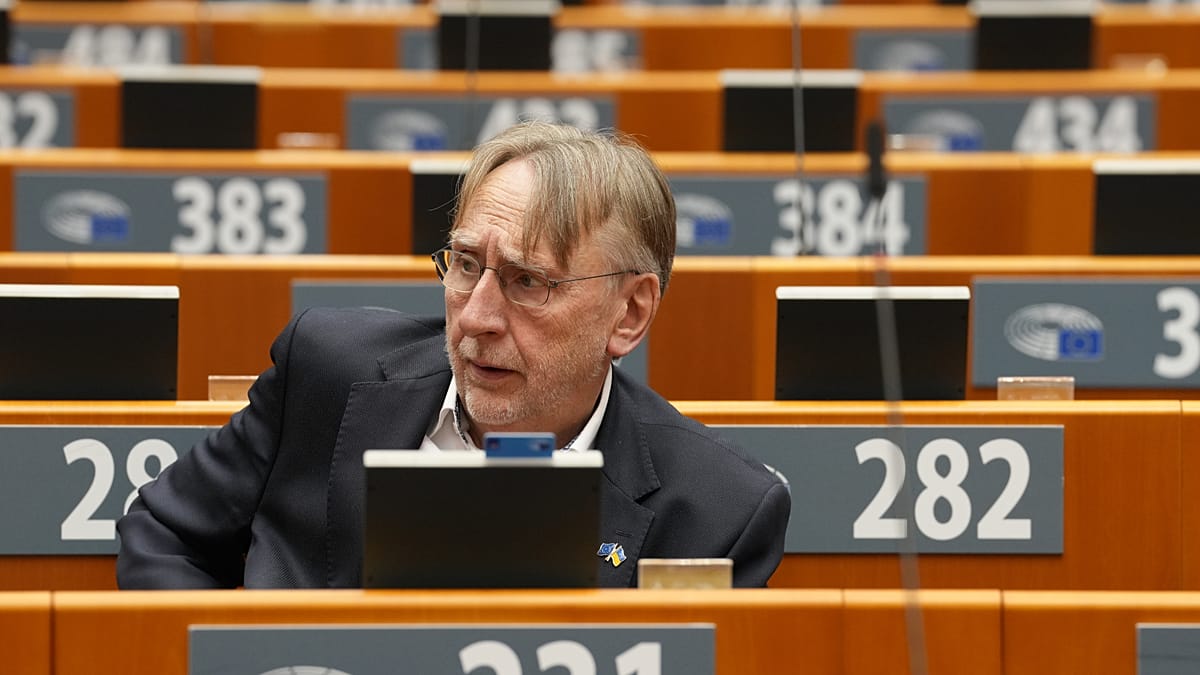
The European Parliament's two largest political groups are at odds over the pace of negotiations for the EU-US trade deal, after the EPP failed to secure an earlier date for the next round of talks. Bernd Lange, the German Socialist MEP who chairs the Parliament's Trade Committee, has rebuffed the centre-right group's request to advance discussions, insisting that the next negotiating round remain scheduled for 19 May, according to sources familiar with the matter.
The disagreement comes as US President Donald Trump has set a 4 July deadline for the agreement, which would eliminate EU tariffs on American goods and cap US tariffs at 15%, following the framework agreed last summer at Turnberry between Trump and European Commission President Ursula von der Leyen. While most MEPs expect a positive outcome before the deadline, the timing dispute reveals deeper divisions over how to handle Washington's pressure.
EPP Urges Speed for Business Certainty
The European People's Party argues that European businesses need clarity on transatlantic trade relations as soon as possible. They warn that further delays could harm industry, especially given Trump's threats to impose 25% tariffs on European cars and trucks if the deal is not implemented. The EPP's push reflects a broader concern that the EU's deliberative pace may leave it vulnerable to US unilateral action.
However, the Socialists and Democrats are unwilling to be rushed. Lange has pointed to recent US court rulings against Trump's global tariffs as evidence that standing firm is the right approach. “The latest developments show that it was right for us to stand firm against the American campaign of threats. European legislation must not be shaped by threatening social media posts from Washington,” he said in a press release.
Lange emphasised that EU democratic procedures are “not negotiable” and rejected US criticism that Europe is moving too slowly. He attributed delays to “the irresponsible actions of President Trump, for example regarding his demand for the annexation of Greenland. His claim that we Europeans are failing to meet our obligations is simply false.”
The standoff underscores a broader tension within the EU over how to engage with the Trump administration. While some member states and political groups favour a more accommodating approach to secure trade benefits, others insist on upholding European norms and resisting what they see as coercive tactics. This dynamic is not unique to the US deal; similar debates have emerged in other trade negotiations, such as the EU-Mercosur trade deal, where economic gains are weighed against environmental and procedural concerns.
The next round of talks between the European Parliament and EU member states is now set for 19 May, leaving less than seven weeks to finalise the agreement before Trump's deadline. The outcome will test whether the EU can maintain its institutional rhythm while responding to external pressure, a challenge that also surfaces in other geopolitical contexts, such as the EU's divided stance on direct talks with Russia over Ukraine.
For now, the Socialists have held the line, but the EPP is likely to continue pressing for acceleration. The coming weeks will reveal whether the Parliament can unite behind a common timeline—or whether the transatlantic trade deal will become another casualty of political infighting in Brussels.